University of Sydney: circadian depression subtype proposed from self-reports of over 11 thousand people
Australian researchers link a cluster of sleep and body-clock traits to a possible depression subtype; independent experts say it is too early to separate it.
Researchers at the Brain and Mind Centre, University of Sydney, have proposed a possible subtype of depression defined by disturbances of the body clock, according to National Geographic Polska. The work was published in the British Journal of Psychiatry. Of more than 11 thousand participants, about one quarter met the proposed criteria for "circadian depression" national-geographic.pl
National Geographic Polskanational-geographic.plOpen source ↗. The authors and independent experts stress that further analysis is needed.
Six features of the proposed subtype
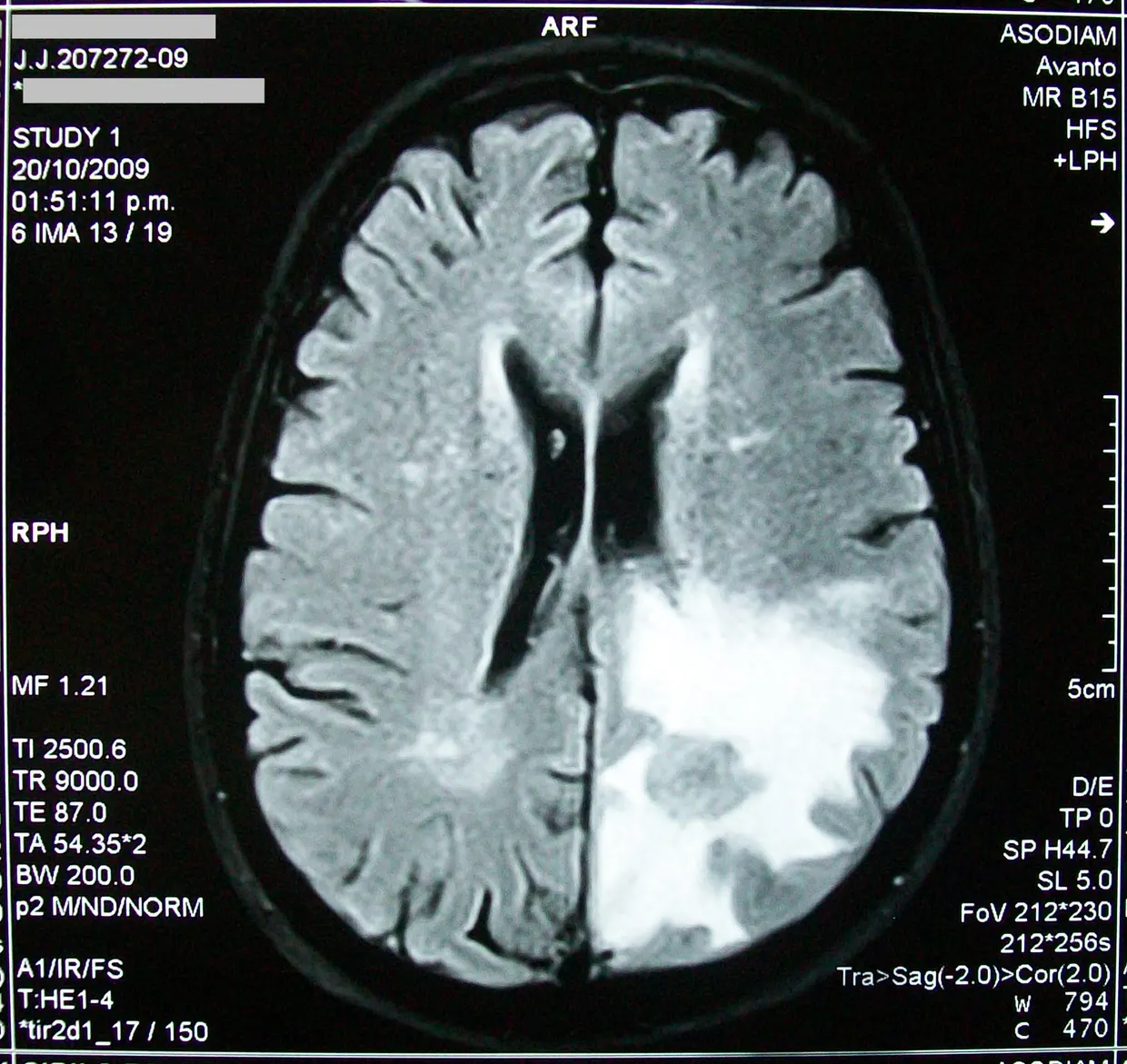
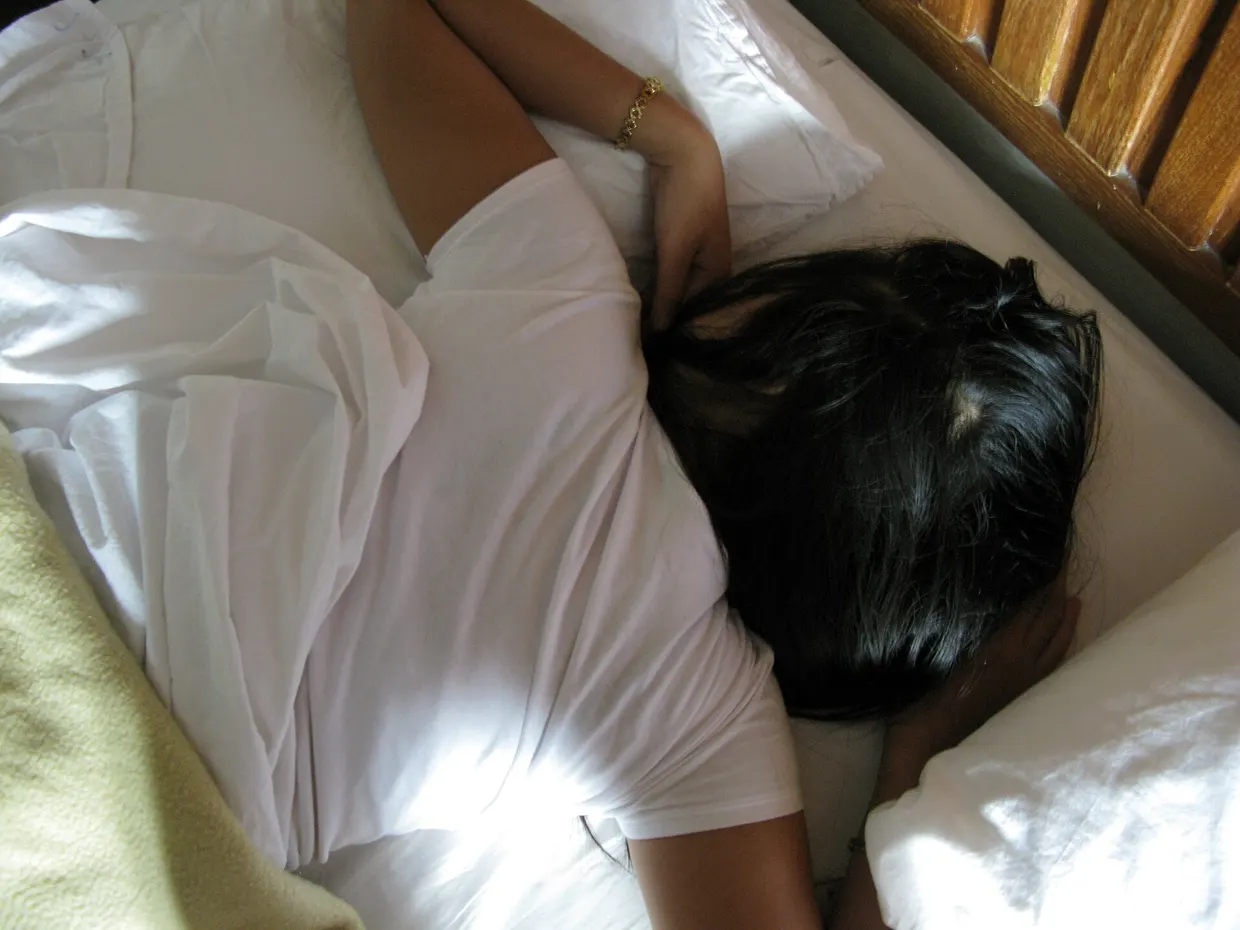
The team did not analyse brain images, as a 2024 study did when it identified six patterns of brain activity in people with depression. Instead it focused on sleep and circadian traits. People with at least three of six features may belong to the narrower group: seasonal mood changes, late sleep onset, a preference for evening and night activity, excessively long sleep, waking with strong fatigue, and "social jet lag", a gap between sleep times on workdays and weekends.
In this group depression usually began earlier and was more severe. Participants also had a higher genetic risk of ADHD, bipolar disorder and insulin resistance. They more often reported that antidepressants were less effective; Jacob Crouse said this may stem from factors unrelated to the body clock. Information on symptoms came from self-reports, with no activity-monitor data or melatonin measurements.
Cause, consequence and treatment
First author Emiliana Tonini said the team suspects that a disrupted circadian rhythm may be the primary cause of depression in these people national-geographic.pl
National Geographic Polskanational-geographic.plOpen source ↗. Colleen McClung of the University of Pittsburgh noted that some participants may have had bipolar disorder rather than depression. David Curtis of University College London said the traits might simply identify more severe depression.
Other data are mixed. One study found that a genetic predisposition to fall asleep an hour earlier was linked to a risk of depression about 23% lower. A 2025 review linked shifting sleep to earlier hours with better mood in people who usually sleep late, though Curtis suggested that sleep returns to normal as people recover.
Another 2025 review of over 800 people with non-seasonal depression found remission in more than 40% of those given bright-light therapy, against 25% in the control group. These trials did not include only people matching the proposed profile. Evidence for melatonin is weaker, and one analysis showed no clear benefit. The Sydney team is now testing whether melatonin eases symptoms in young adults whose traits match the profile.