Network meta-analysis in The BMJ: shockwave therapy likely eases frozen shoulder pain short term
A review of 189 randomized trials with 12,988 adults found moderate-certainty evidence that shockwave therapy reduces frozen shoulder pain in the short term; long-term data are lacking.
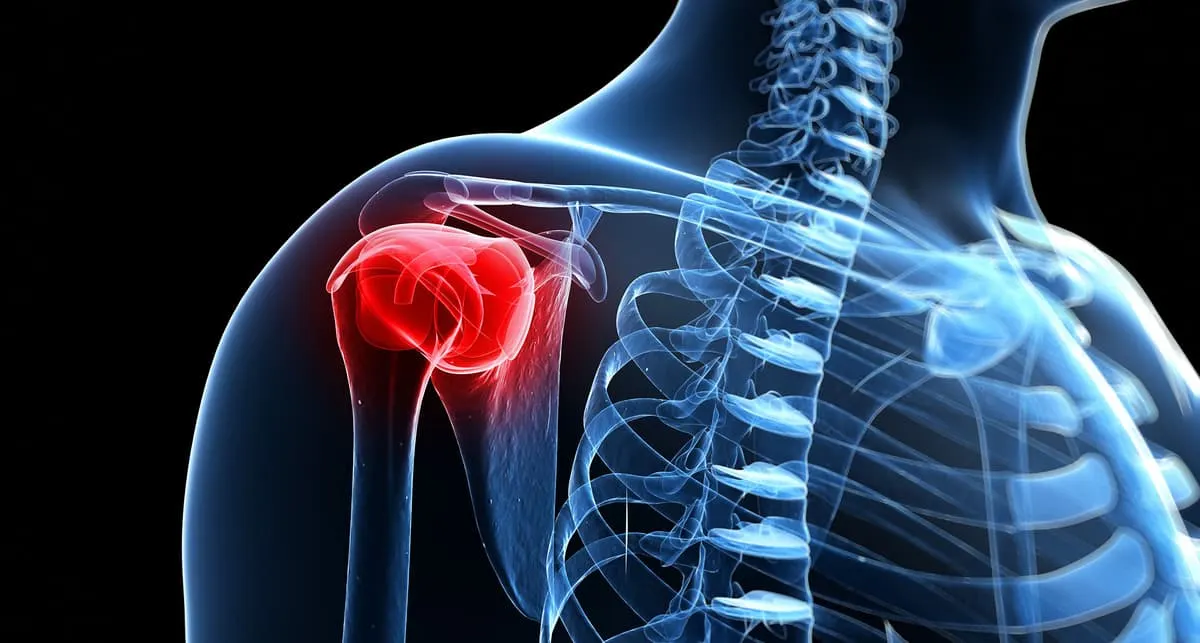
A large review published in The BMJ compared treatments for adhesive capsulitis, known as frozen shoulder, and found that shockwave therapy probably reduces pain in the short term, according to knowridge.com. The analysis combined 189 randomized trials with 12,988 adults, whose average age was about 54. knowridge.com
knowridge.comknowridge.comOpen source ↗
The condition develops when the capsule surrounding the shoulder joint becomes stiff and restricted. Pain and limited movement interfere with ordinary activities, and the most suitable treatment may depend on the stage of the condition and the person's priorities.
Network meta-analysis and pain results
The researchers used a network meta-analysis. This method connects evidence across studies, so several treatments can be compared even when they were not tested directly against each other. It still depends on the quality and comparability of the underlying trials.
Shockwave therapy uses externally applied pressure waves. The review found moderate-certainty evidence that it probably reduced pain over the short term compared with usual care. The estimated difference was about two points on a ten-point pain scale. This is an average across study participants, so individual relief may differ. knowridge.com
knowridge.comknowridge.comOpen source ↗
Movement outcomes and limitations
The authors distinguished pain from physical function, since less discomfort does not necessarily mean that normal shoulder movement has returned. Manipulation under anesthesia, in which the shoulder is moved while the patient is anesthetized, was linked to better forward movement, including when combined with a steroid injection.
Most of the trials had a high risk of bias, and many comparisons rested on low-certainty evidence. Reports of adverse events were incomplete, which makes safety difficult to judge, and benefits beyond roughly three months remained unclear.
Disease stage, symptom duration and previous treatment were also inconsistently reported. The review supports a careful discussion of options rather than a universal treatment recommendation, and the authors point to the need for stronger trials with longer follow-up. Invasive and noninvasive approaches involve different burdens, and patients may value pain relief, movement, convenience and recovery time differently.