Afforestation raised fire occurrence by 26% across 67,248 temperate patches, PNAS analysis finds
Satellite records since 2001 show planted forests in temperate regions burned more often and over larger areas, but the effect varied by biome, from a near-threefold rise to an 18% drop.
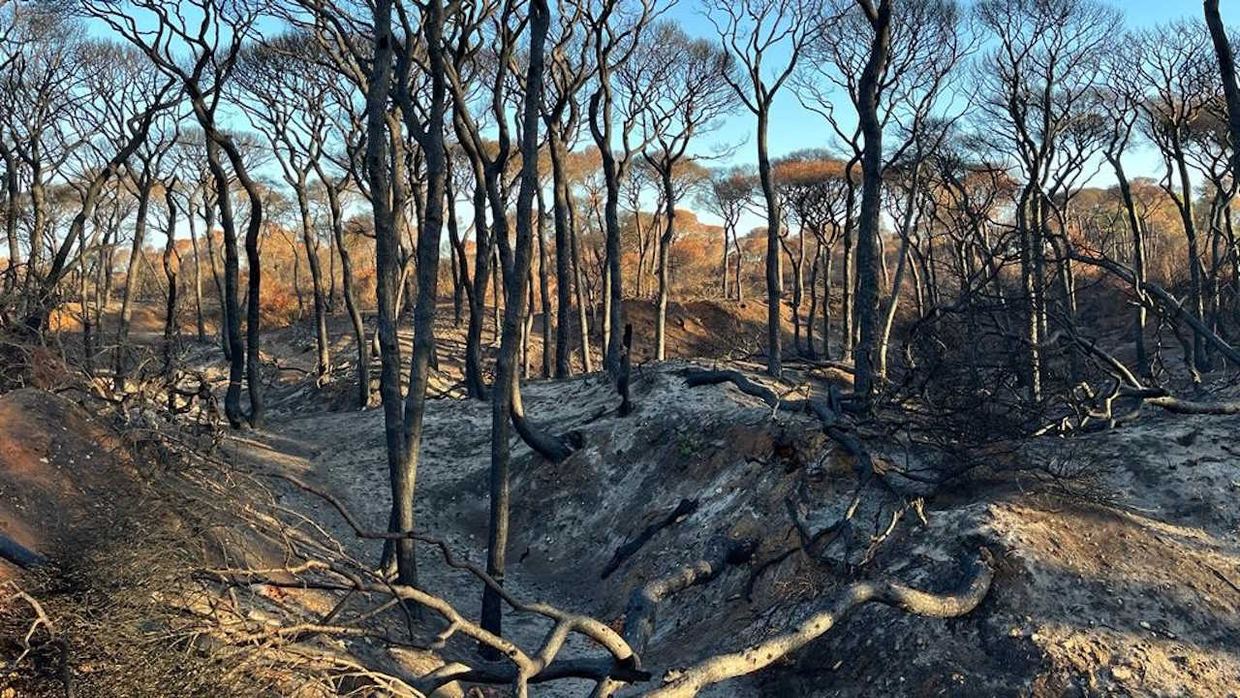
Researchers have estimated how afforestation, the planting of forests on land that was not forested, changes wildfire activity in temperate regions. They combined land-use change data, satellite fire records starting in 2001 (the period covered is 2001–2023), and climatic and anthropogenic covariates, and analysed 67,248 patches across global temperate biomes. On average, afforestation increased fire occurrence by 26% and burned area by 23%, according to a paper in Proceedings of the National Academy of Sciences doi.org
Proceedings of the National Academy of Sciencesdoi.orgOpen source ↗.
Differences between biomes
The effect was far from uniform. In Temperate Conifer Forests, fire occurrence rose nearly threefold (by a factor of 2.7), and burned area almost doubled doi.org
Proceedings of the National Academy of Sciencesdoi.orgOpen source ↗. In Mediterranean Woodlands, fire occurrence increased by 38%
doi.org
Proceedings of the National Academy of Sciencesdoi.orgOpen source ↗.
A similar pattern was noted in regions such as southern Europe, where intensive planting coincided with extreme heat that sped up the spread of fires. The Mediterranean-type climate is generally more prone to ignition, which the publication's summary links to the added biomass as a possible risk factor.
Broadleaf forests and grasslands
In Temperate Broadleaf and Mixed Forests, which hold roughly half of the planted forests, fire occurrence fell by 23%, while burned area grew by 20% doi.org
Proceedings of the National Academy of Sciencesdoi.orgOpen source ↗. This indicates a shift toward less frequent but larger fires after conversion to planted forest
doi.org
Proceedings of the National Academy of Sciencesdoi.orgOpen source ↗. The authors stress that even a small percentage rise in burned area in this biome corresponds to a large affected territory, with consequences for human health and the economy.
In the Temperate Grasslands, Savannas, and Shrublands biome, which includes steppes, prairies and heathlands, fire occurrence decreased by 18%, with no increase in burned area doi.org
Proceedings of the National Academy of Sciencesdoi.orgOpen source ↗.
The authors conclude that the consequences of afforestation for wildfire activity depend strongly on ecological and regional context. According to them, the variability at the biome scale questions the premise that tree planting provides consistent climate mitigation benefits across all landscapes. They state that wildfire risk should be explicitly accounted for when assessing the long-term effectiveness of afforestation as a climate mitigation strategy doi.org
Proceedings of the National Academy of Sciencesdoi.orgOpen source ↗.