Orbital Matter's Replicator 2 satellite prints a 50 cm rigid beam in open space, developers report
Orbital Matter says its 13 kg demonstrator printed a rigid beam in vacuum and helped unfold a solar module. Load capacity data are not yet published.
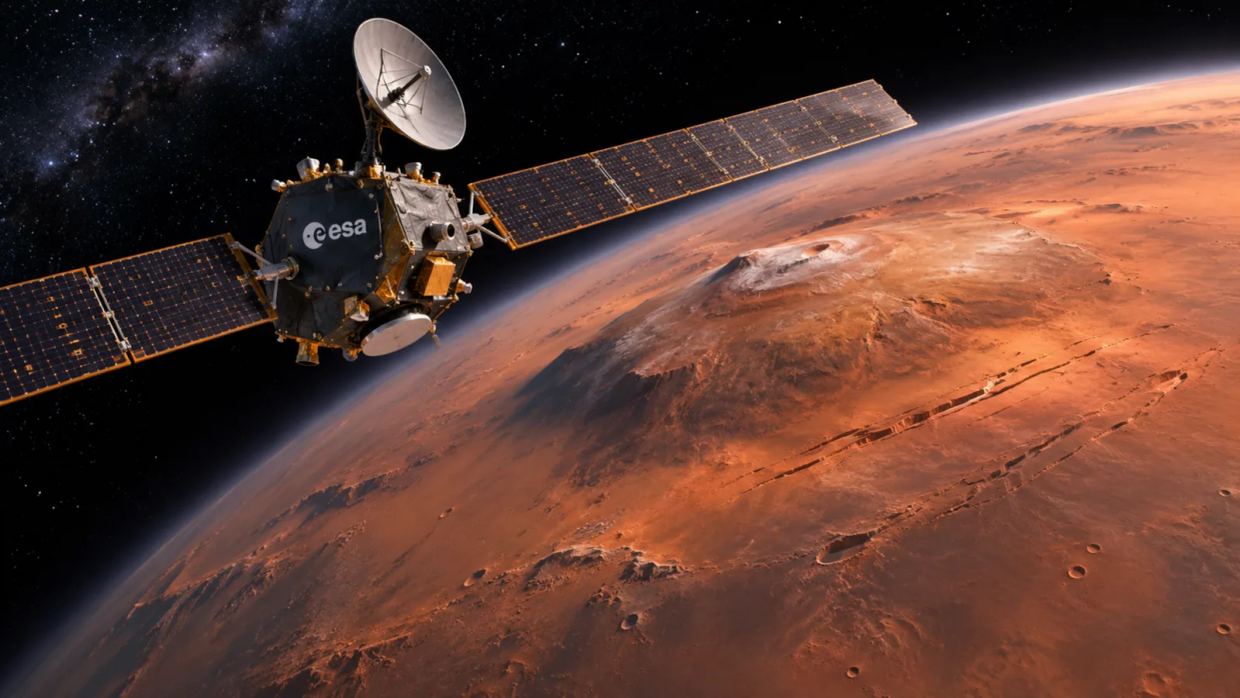
Orbital Matter, a startup based in Warsaw and Berlin, reports that its Replicator 2 small satellite printed a rigid beam about 50 cm long directly in the vacuum of space. According to the developers, the satellite weighs about 13 kg and launched on 7 July 2026. The beam is also said to have enabled the deployment of a flexible solar module carried on board. esa.int
esa.intesa.intOpen source ↗
The company's technology, as described by esa.int, is a 3D printing method designed to work in vacuum and microgravity without generating heat during manufacturing. In space there is no atmosphere for convective cooling, and cooling by radiation alone takes months. Printing without heat is therefore meant to make construction in vacuum much faster. esa.int
esa.intesa.intOpen source ↗
How the printer works
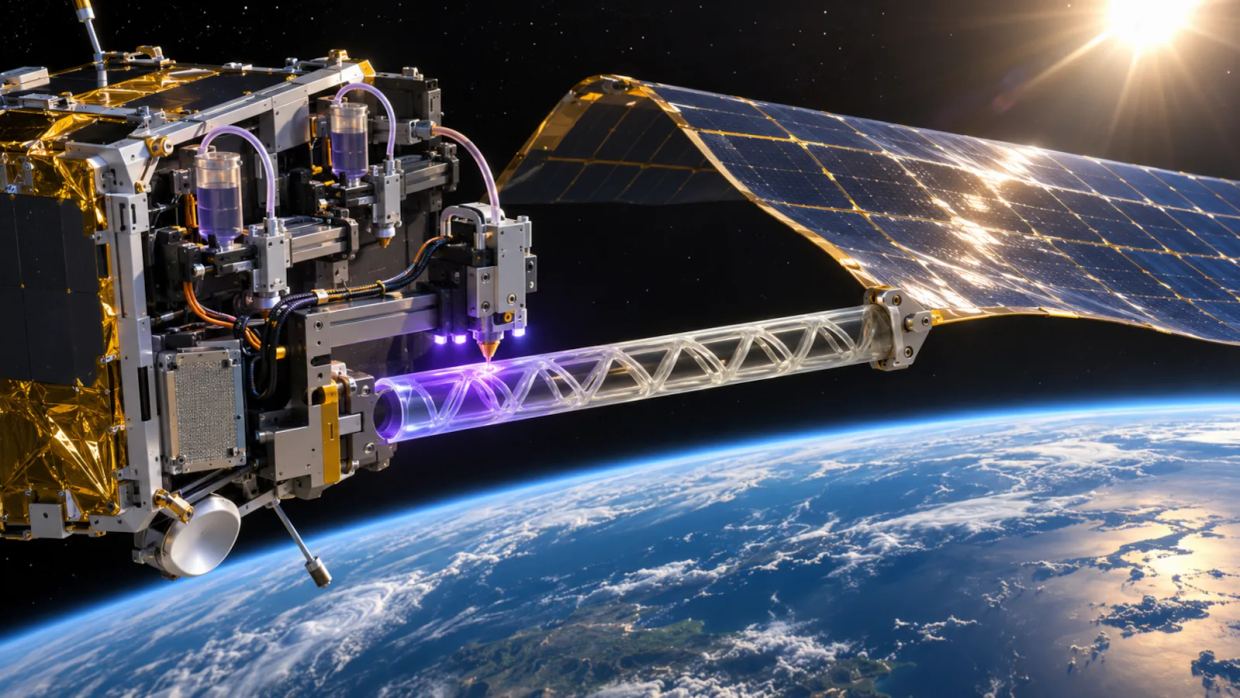
Replicator 2 carries four independently operating printing modules. Each was originally intended to produce rigid beams up to one metre long. A nozzle extrudes liquid resin and lays it down step by step into a hollow cylindrical structure, and ultraviolet light cures the material during printing. The beam is thus formed without unfolding hinged segments, and no pressurised manufacturing chamber is needed.
Two of the printers were assigned to the solar module, while the other two were to extend an antenna and a camera.
Results and open questions
In August 2026, onboard cameras documented one module in Earth orbit extruding material and curing it into a solid structure. Earlier 3D printing tests on the International Space Station, the first of which took place in 2014, were carried out inside a protected cabin. Here the printing was done in exposed vacuum. esa.int
esa.intesa.intOpen source ↗
In a later flight test, according to the current project status, a rigid round beam about 50 cm long was produced. One of the printing modules intended for the solar module failed because of a malfunction. The beam is nevertheless reported to have allowed the panel to unfold.
No independently published measurements of load capacity, bending stiffness or long-term durability of the printed part are available so far.