Six mantle convection models tie the Great Unconformity to continental uplift and subsidence
Models of mantle flow over the past billion years predict long uplift, then subsidence, of Laurentia, Baltica and North China. The authors say this fits the gap in the geological record.

A team led by Nicolas Flament at the University of Wollongong (Australia) used six mantle convection models to test the origin of the Great Unconformity, according to the study at doi.org. The models start 1 billion years ago and predict prolonged continental-scale uplift in the Neoproterozoic and long-term subsidence in the Phanerozoic for Laurentia, Baltica and North China doi.org
doi.orgdoi.orgOpen source ↗. The authors conclude that this vertical motion favoured both the formation and the preservation of the surface
doi.org
doi.orgdoi.orgOpen source ↗.
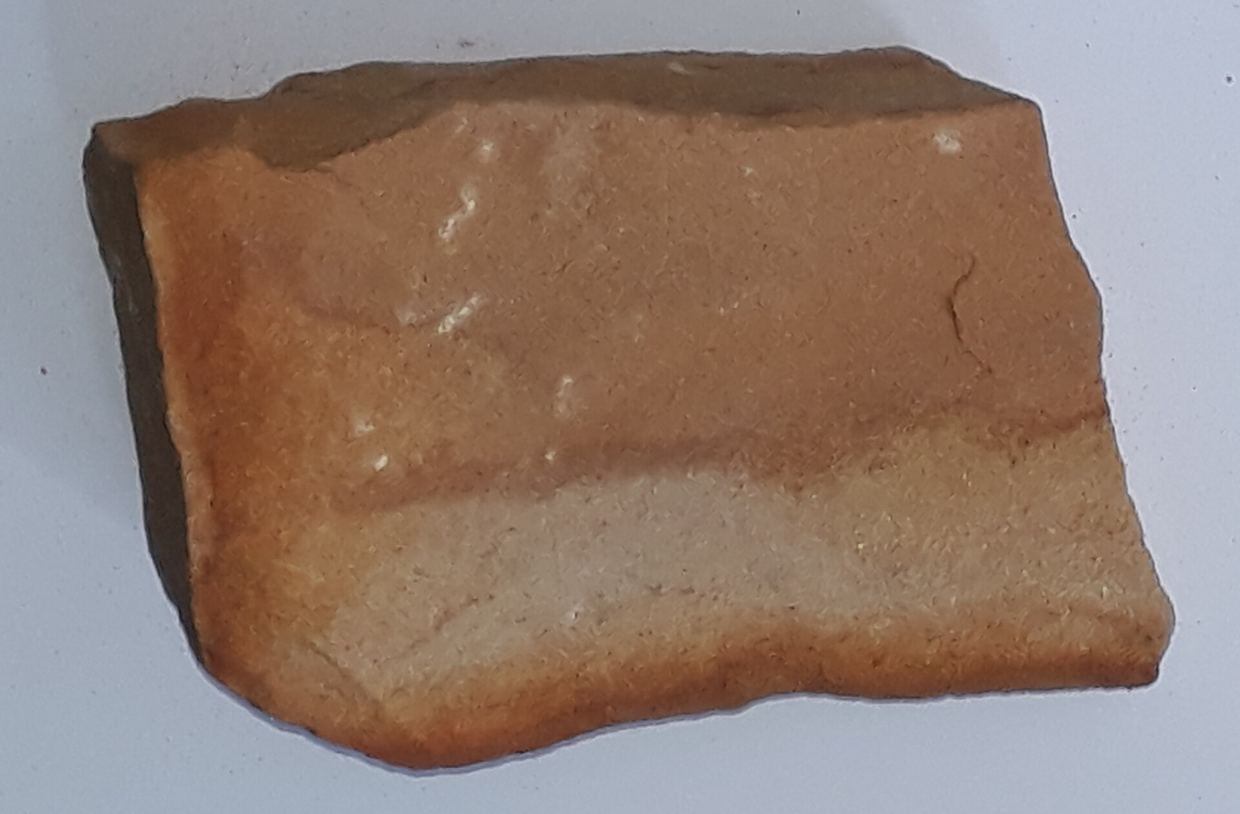
What the Great Unconformity is
An unconformity is a surface where younger sediments lie over older rocks after a period of erosion or non-deposition. The Great Unconformity is the largest known one: it represents a hiatus of about 200 million years or longer and marks the onset of sedimentation at the start of the Phanerozoic doi.org
doi.orgdoi.orgOpen source ↗. It was first described in the Grand Canyon. The oldest sediments at its base in North America are between 635 and 482 million years old, from the Ediacaran to the Early Ordovician
doi.org
doi.orgdoi.orgOpen source ↗.
Similar unconformities are documented in Baltica and North China. Global sedimentary volume, estimated from geologic maps and borehole data, more than doubled across the Precambrian–Phanerozoic boundary doi.org
doi.orgdoi.orgOpen source ↗. Proposed causes include glacial erosion during Snowball Earth (about 720–635 million years ago), rifting and plume activity, sea-level fall and mantle-driven dynamic topography. According to the authors, these processes had not been tested dynamically
doi.org
doi.orgdoi.orgOpen source ↗.
Model setup and results
The six models, M1–M6, were driven by tectonic reconstructions in a no-net-rotation reference frame; only M3 used a palaeomagnetic frame. The authors checked the predicted large basal structures of the lower mantle against low-shear-velocity provinces inferred from 10 tomographic models. Model M1 was preferred because its structures and their position relative to volcanic provinces matched best doi.org
doi.orgdoi.orgOpen source ↗. Dynamic topography was computed only from buoyancy and viscosity variations deeper than 350 km, so nearer-surface sources were neglected
doi.org
doi.orgdoi.orgOpen source ↗.
In the results, prolonged uplift through the Cryogenian would have caused marked erosion by glaciers doi.org
doi.orgdoi.orgOpen source ↗. The large area of Laurentia and limited deformation at its margins, the authors say, explain why the Great Unconformity is best preserved and documented there
doi.org
doi.orgdoi.orgOpen source ↗. The predicted cycles of dynamic topography are broadly reflected in the volume of sediment preserved on continents
doi.org
doi.orgdoi.orgOpen source ↗. The authors add that the results open new avenues for studying the environments in which animals diversified in the Cambrian
doi.org
doi.orgdoi.orgOpen source ↗.