Au50Ag20Cu30 alloy: coherent dual-phase structure raises modulus by 27% and hardness by 37%
Chinese and US groups report that spinodal decomposition in Au50Ag20Cu30 raises elastic modulus and hardness together; nanoindentation and simulations agree.
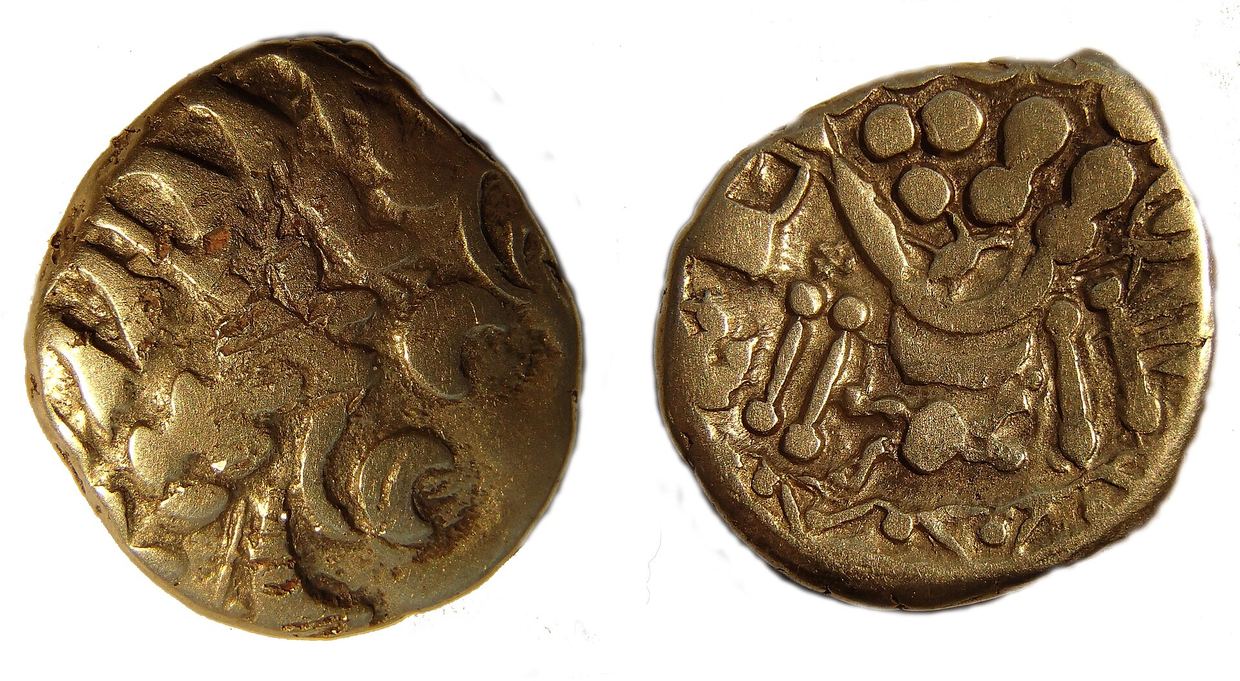
A group of researchers from Shanghai Jiao Tong University, Kunming University of Science and Technology, Beijing Jiaotong University, ShanghaiTech University, Yunnan University and the University of Nebraska-Lincoln reported an Au50Ag20Cu30 alloy in which elastic modulus and hardness increase together. The paper was published in Nature Communications on 3 November 2026. Relative to the solid solution phase, the elastic modulus rose by 27% and the hardness by 37%, the authors report doi.org
Nature Communicationsdoi.orgOpen source ↗.
Elastic strain instead of composite or solute effects
The elastic modulus of alloys and composites is usually tuned through composite or solute effects. In this work the authors used a different route, elastic strain engineering doi.org
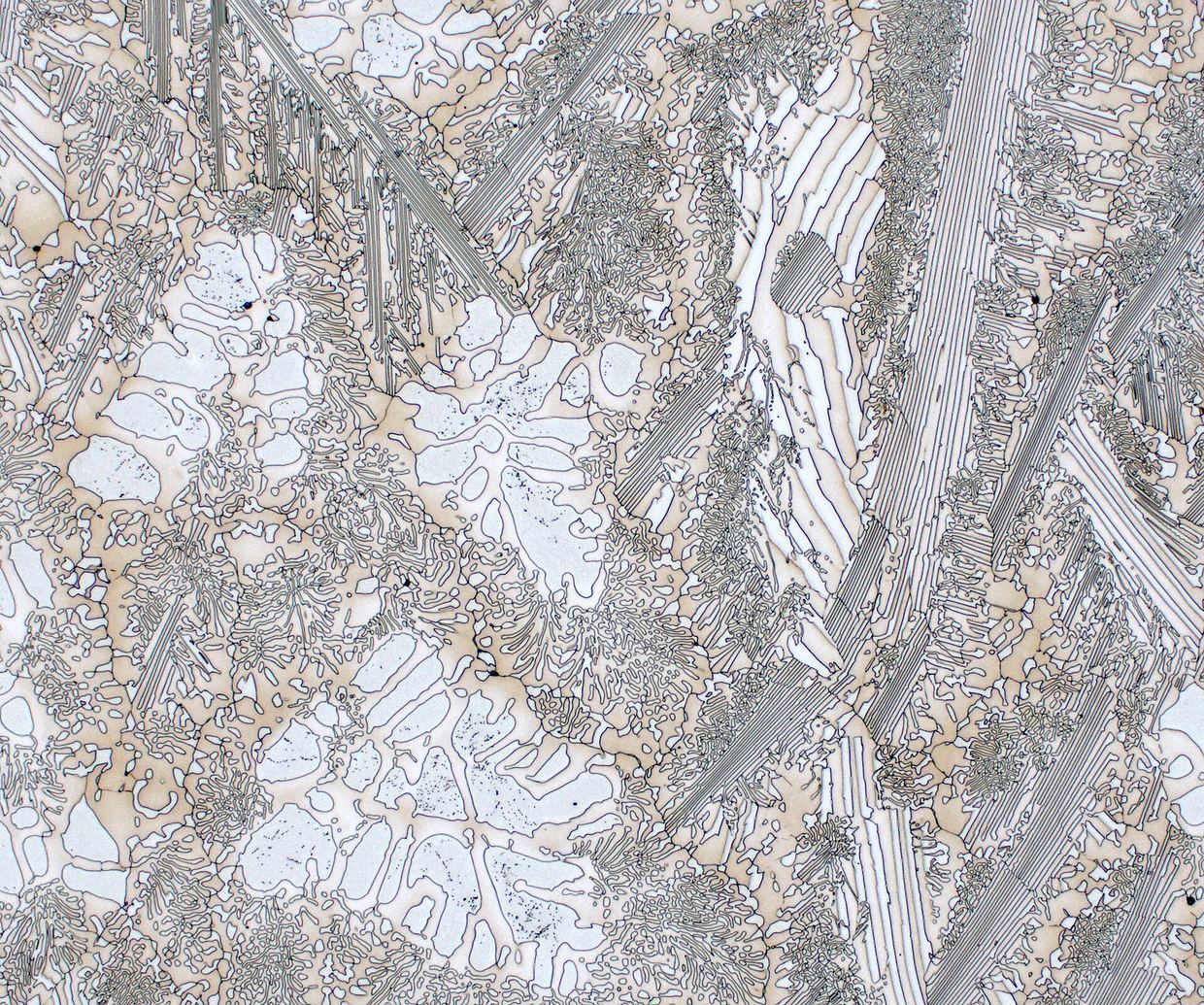
Nature Communicationsdoi.orgOpen source ↗. It relies on three-dimensional coherent dual-phase structures (3D-CDSs), which formed by self-organization through spinodal decomposition in the Au50Ag20Cu30 alloy
doi.org
Nature Communicationsdoi.orgOpen source ↗. In spinodal decomposition, a uniform solid solution separates into two compositionally different phases.
Microstructural characterization and nanoindentation testing confirmed alternating hydrostatic compressive or expansion strains associated with the coherent dual-phase structure doi.org
Nature Communicationsdoi.orgOpen source ↗. According to the authors, this strain modulation leads to the higher modulus and hardness compared with the solid solution phase
doi.org
Nature Communicationsdoi.orgOpen source ↗.
Agreement with theory and simulation
The measured enhancements, 27% in elastic modulus and 37% in hardness, are consistent with theoretical predictions and with molecular dynamics simulations, the authors state doi.org
Nature Communicationsdoi.orgOpen source ↗. Experiment, theory and simulation are therefore reported to agree on the effect in this alloy.
The authors present the approach as a rational and effective strategy for tailoring a high elastic modulus and mechanical strength simultaneously through three-dimensional elastic strain engineering doi.org
Nature Communicationsdoi.orgOpen source ↗. The reported values refer to the Au50Ag20Cu30 composition compared with its own solid solution phase, with hardness and modulus assessed by nanoindentation.