Bournemouth University: Iron Age ruler Verica of the Atrebates was a woman, authors say
Archaeologists at Bournemouth University reinterpret the name, coin title and coin imagery of Verica, a ruler of the Atrebates in Iron Age Britain, as evidence of a female ruler.
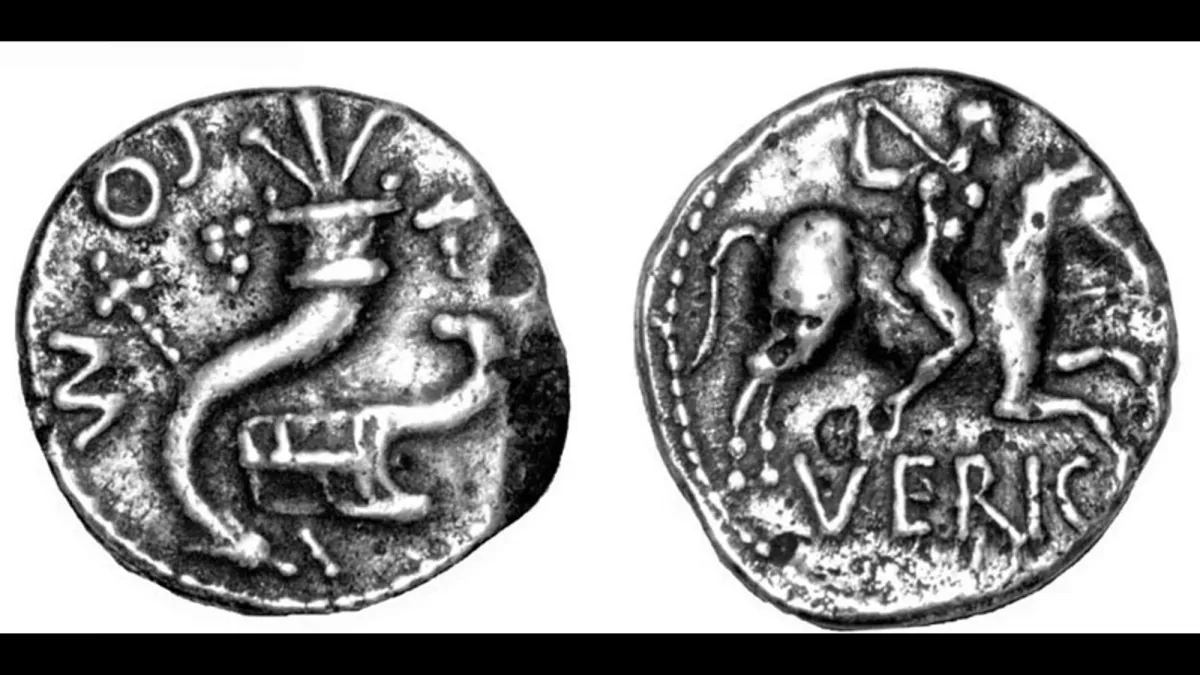
Archaeologists at Bournemouth University (BU) conclude that Verica, an Iron Age British ruler of the Atrebates, was a woman rather than a man, according to a release published on eurekalert.org. The research was led by Dr Miles Russell, Director of Archaeological Fieldwork at BU. The Atrebates held territory covering much of modern Hampshire and West Sussex. Around 40 AD Verica was ousted from power and fled Britain to the emperor Claudius in Rome eurekalert.org
eurekalert.orgeurekalert.orgOpen source ↗.
According to the Roman historian Cassius Dio, the Roman invasion of Britain in AD 43 happened because Verica persuaded Claudius to cross the Channel eurekalert.org
eurekalert.orgeurekalert.orgOpen source ↗. Russell said Verica has been assumed male because of the patriarchal mindset of 19th-century classical historians
eurekalert.org
eurekalert.orgeurekalert.orgOpen source ↗.
Name and the title "rex"
The first clue Russell points to is the name: ending in "a" was common for female names at the time. Two contemporaries, Cartimandua of the Brigantes (Yorkshire) and Boudica of the Iceni (Norfolk), were women from the same period eurekalert.org
eurekalert.orgeurekalert.orgOpen source ↗. Boudica led a revolt against Roman forces in AD 60 and is the best known of the three, but Russell argues that Verica was the more powerful and influential ruler
eurekalert.org
eurekalert.orgeurekalert.orgOpen source ↗.
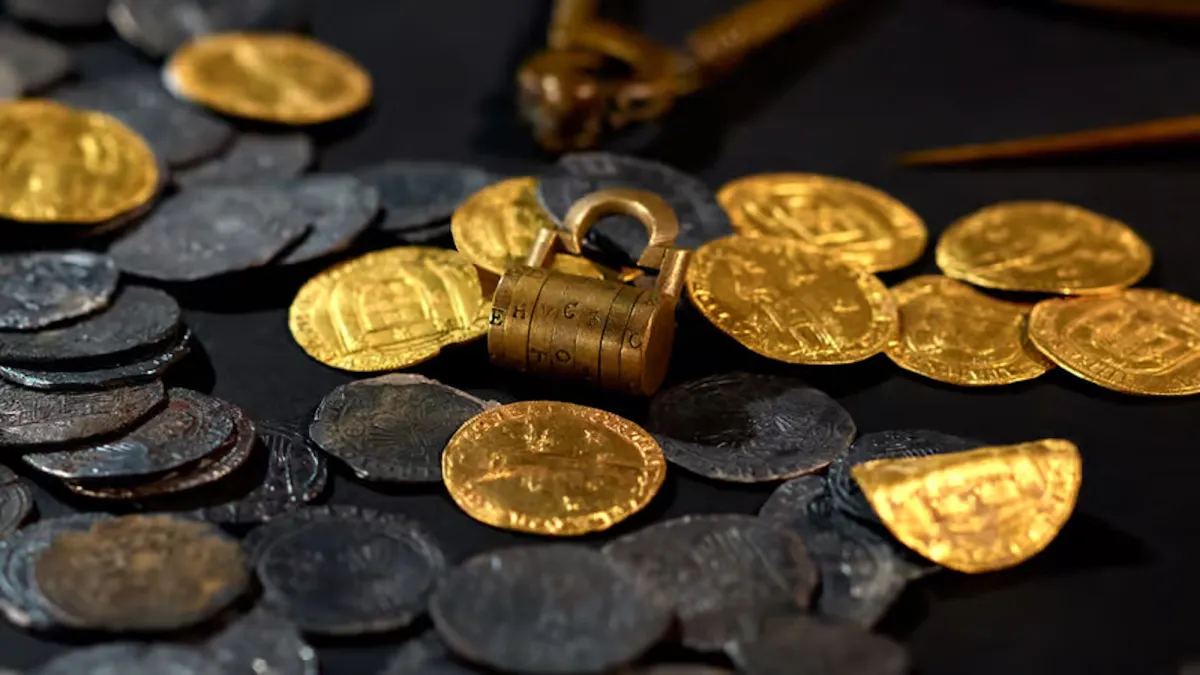
Verica's coins carry the Latin title "rex". Russell said this title is not gender-specific and that Rome recognised both male and female kings, Cleopatra of Egypt being the most famous. In his view, the title shows that Verica ruled with the full authorisation of the emperor eurekalert.org
eurekalert.orgeurekalert.orgOpen source ↗.
Coin imagery and Roman sources
The authors also cite the images on the coins. Other coin-producing British Iron Age leaders portray clearly male warriors, whereas Verica is shown as a slender, feminine, bare-breasted figure on horseback, Russell said eurekalert.org
eurekalert.orgeurekalert.orgOpen source ↗.
He also notes that Roman writers portrayed Claudius as weak-minded, with policy dictated by women and freed slaves. In Russell's reading, Dio's account of a decision made on a woman's urging fits that portrayal. Russell argues that Verica's role was more central than Dio suggests: she supplied tactical information and support on the ground eurekalert.org
eurekalert.orgeurekalert.orgOpen source ↗.
Earlier BU research involving Russell and colleagues found evidence of a matriarchal society in Iron Age Britain, in which husbands moved to live in their wives' communities eurekalert.org
eurekalert.orgeurekalert.orgOpen source ↗. The work on Verica appears in the book "Caratacus: Great king of Britain" (Bloomsbury, January) and is discussed in the latest edition of Current Archaeology
eurekalert.org
eurekalert.orgeurekalert.orgOpen source ↗.