EGFR gene amplification linked to poorer survival in oral cancer in a meta-analysis of 1,561 patients
A systematic review of 15 studies found EGFR amplification in oral squamous cell carcinoma associated with shorter overall and disease-free survival and advanced stage.
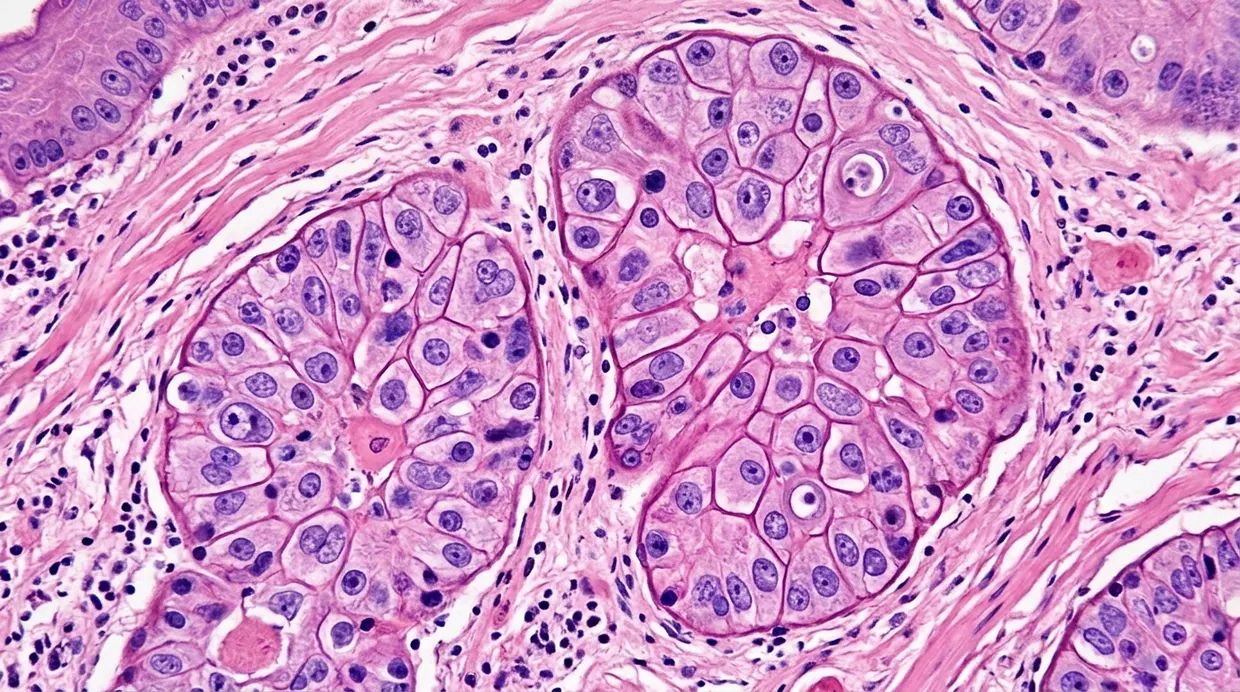
Researchers from the School of Dentistry at the University of Granada (Biohealth Research Institute, Spain) published a systematic review and meta-analysis in Frontiers in Oral Health on 13 November 2026, available via doi.org/10.3389/froh.2026.2012977. The work covers 15 primary studies with 1,561 patients with oral squamous cell carcinoma (OSCC) and evaluates the clinicopathological and prognostic significance of EGFR gene amplification frontiersin.org
doi.orgfrontiersin.orgOpen source ↗.
Survival and tumor stage
EGFR amplification was significantly associated with poorer overall survival (HR = 1.98, 95% CI 1.32–2.98, p = 0.001). For disease-free survival the estimate was HR = 1.66 (95% CI 1.03–2.67, p = 0.04).
Amplification was also associated with lymph node involvement, N+ status (OR = 1.73, 95% CI 1.08–2.77, p = 0.02), and with advanced clinical stage (OR = 1.78, 95% CI 1.08–2.94, p = 0.02).
Methods and subgroups
The authors searched MEDLINE/PubMed, Embase, Web of Science and Scopus for studies published before June 2026. They assessed the quality of primary studies with the QUIPS tool, ran meta-analyses, examined heterogeneity between studies through subgroup analyses and meta-regressions, and tested for small-study effects frontiersin.org
doi.orgfrontiersin.orgOpen source ↗.
Subgroup meta-analyses showed significant associations in Asian subpopulations, in patients with tongue tumors, and in studies with a lower risk of bias.
The authors note that OSCC accounts for about 90% of oral malignancies. According to GLOBOCAN estimates they cite, oral cancer causes about 452,205 new cases and 194,108 deaths per year, and 5-year survival has stayed near 50% for the past 40 years. Prognosis today relies on TNM staging, which is why the authors point to the need for molecular biomarkers.
The authors also distinguish gene amplification from protein overexpression: the two are related but distinct alterations, and amplification does not always lead to higher protein levels frontiersin.org
doi.orgfrontiersin.orgOpen source ↗.
Based on the available evidence, the authors concluded that EGFR gene amplification may be useful as a prognostic biomarker for OSCC. The review is registered in PROSPERO (CRD420261517568).