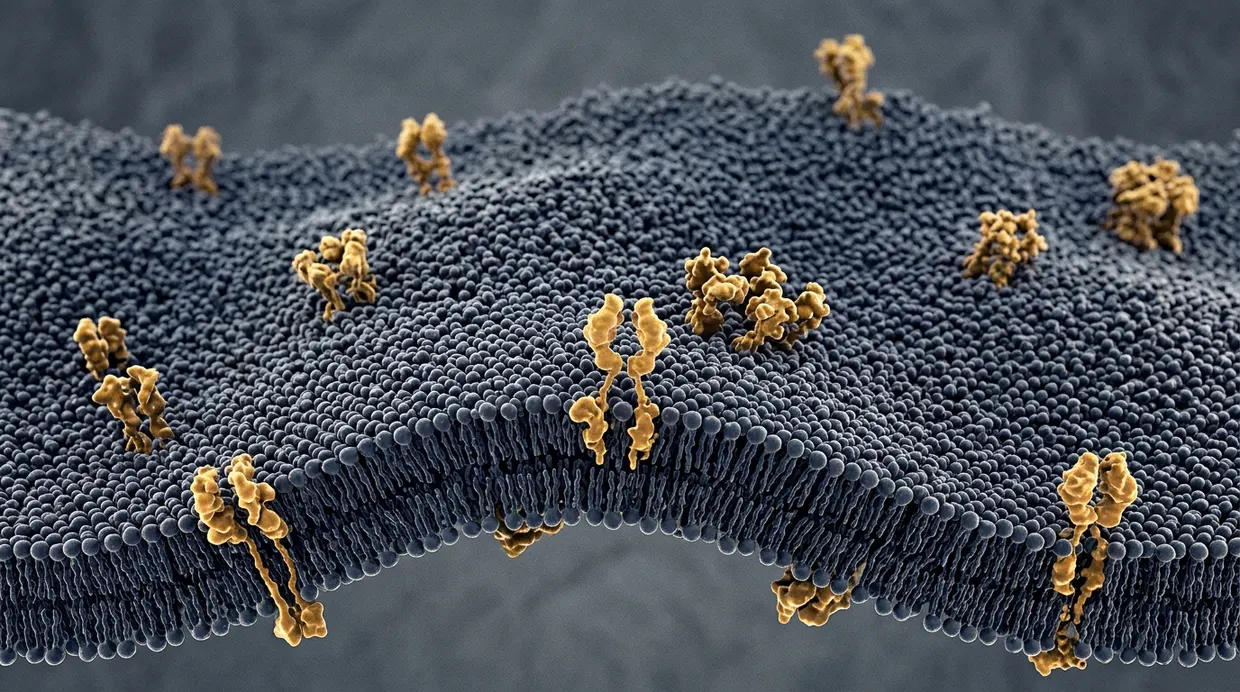
West China Hospital builds DNA nanomachines that detect two EGFR lung cancer mutations in plasma without amplification
Sichuan University researchers made an electrochemical DNA sensor that reads ctDNA mutations without amplification or labeling. It was tested on plasma samples from patients, with qPCR as the reference.
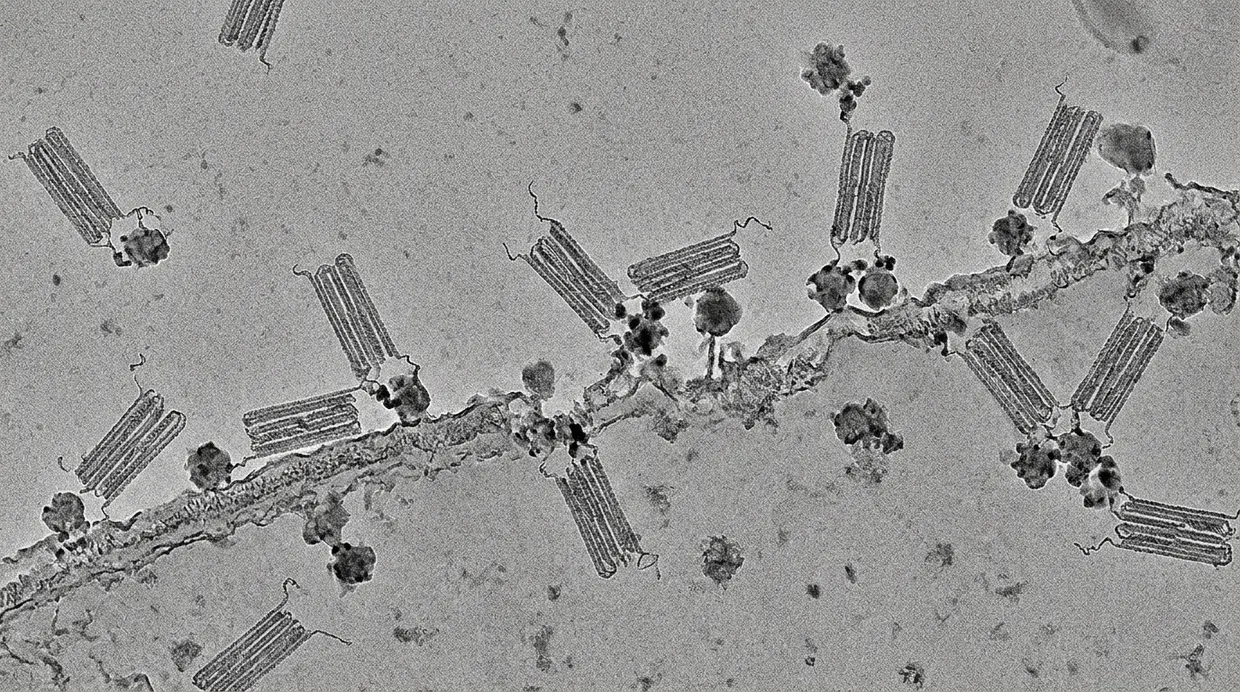
Researchers at West China Hospital, Sichuan University, have developed DNA nanomachines enhanced with molecular fillers that detect circulating tumor DNA (ctDNA) mutations and convert them into electrical signals, according to eurekalert.org. The platform detects two mutations simultaneously without DNA amplification, enzymatic reactions or target labeling. The work is at the laboratory and clinical-sample stage. eurekalert.org
eurekalert.orgeurekalert.orgOpen source ↗
CtDNA fragments released by tumor cells into the blood allow non-invasive molecular analysis, but they are scarce against the much larger amount of DNA from noncancerous cells. The authors propose a sensitive method with a simpler workflow to complement existing liquid biopsy approaches.
How the nanomachines work
The structures are built from self-assembling DNA strands linked by Ag+ or Hg2+ ions, which serve as reporters because they give distinguishable electrical signals. When a matching DNA target binds, the structure disassembles and releases the ions, so the target can be measured.
The team tested several molecular fillers. Methylene blue suppressed nonspecific ion leakage and lowered background signal. Compared with the unfilled system, analytical sensitivity improved 100-fold and the signal-to-noise ratio 2.5-fold. Detection limits were 5.2 amol/L for EGFR L858R and 6.0 amol/L for EGFR T790M. Plasma required dilution and heating rather than nucleic acid extraction or enrichment, and the target reaction involved a 60-minute incubation. eurekalert.org
eurekalert.orgeurekalert.orgOpen source ↗
Results on patient plasma
The assays were tested on plasma from 66 treatment-naive patients with non-metastatic non-small cell lung cancer, with qPCR as the reference. Both EGFR assays reached an AUC of 0.96 in separating qPCR-positive from qPCR-negative samples.
Against 30 healthy controls, the L858R signal showed 54.5% sensitivity and 100% specificity. The T790M signal discriminated poorly, with an AUC of 0.52. T790M is mainly associated with acquired resistance to EGFR-targeted therapy and is uncommon before treatment, which the authors link to this result. Larger cohorts of patients on EGFR-targeted therapy are needed to assess resistance monitoring.
The platform was also adapted to BRAF V600E, a mutation associated with papillary thyroid cancer. In 38 patient plasma samples, agreement with ARMS-qPCR was 94.7% and the AUC was 0.97. eurekalert.org
eurekalert.orgeurekalert.orgOpen source ↗
Exploratory analyses showed differences in mutation-associated signals between metastatic and non-metastatic groups. The authors note that larger longitudinal studies are needed, accounting for tumor burden, disease stage and previous treatment. Next steps include more detectable mutations, higher multiplexing and integration with compact electrochemical devices.