GI-SIM microscopy reveals uncoupling of organelle contacts and fission in stem cell aging
Researchers tracked living human stem cells and identified the loss of VAPB-mediated organelle contacts as a key factor in senescence.
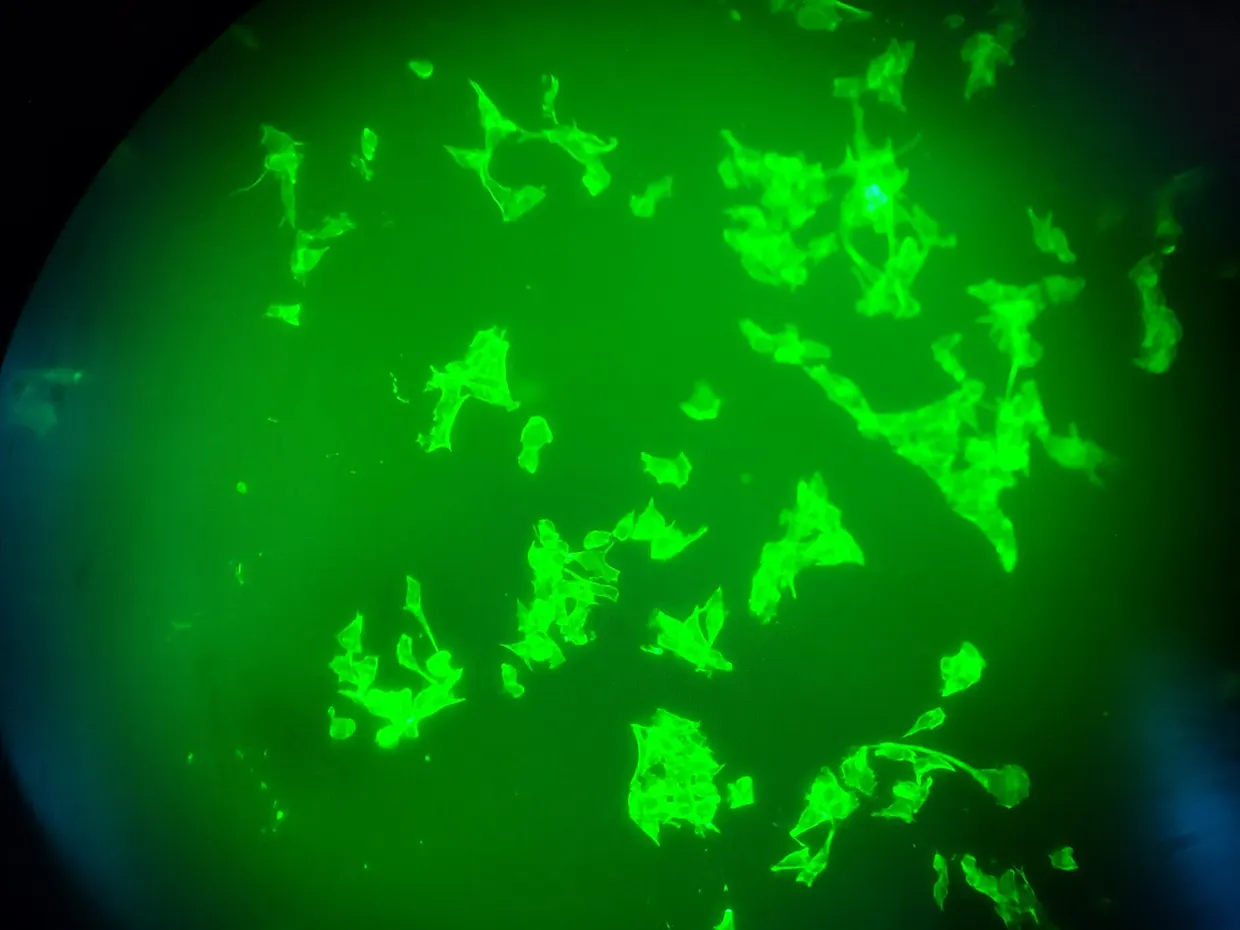
Biologists investigated the dynamics of inter-organelle interactions in human mesenchymal stem cells (hMSCs) using grazing incidence structured illumination microscopy (GI-SIM), as reported by EurekAlert eurekalert.org
EurekAlerteurekalert.orgOpen source ↗. The experiments evaluated two independent cell models: replicative senescence and Hutchinson–Gilford progeria syndrome (HGPS). Live-cell imaging revealed that the aging process disrupts the spatiotemporal coordination between mitochondria–endoplasmic reticulum contacts (MERCs) and mitochondrial fission sites.
Imaging organelle dynamics
In both models, senescent stem cells exhibited decreased MERC coverage, altered endoplasmic reticulum (ER) architecture and dynamics, reduced mitochondrial fission events, and pronounced mitochondrial elongation. GI-SIM super-resolution tracking demonstrated that the spatial positioning of MERCs directly at mitochondrial division sites becomes decoupled as cells age. The loss of this spatial alignment correlates with reduced organelle fragmentation and general cellular decline.
Role of the VAPB tether
Molecular analysis identified the downregulation of the ER-resident tethering protein VAPB as the primary mechanical driver of contact site dysfunction in senescent cells. To verify the role of this protein, the researchers knocked out VAPB in young hMSCs using CRISPR/Cas9. The depletion of VAPB reproduced the senescence phenotypes, including diminished MERC coverage, loss of contact site alignment with fission locations, decreased fission frequency, and mitochondrial elongation.
To test reversibility, endogenous VAPB expression was stimulated in senescent hMSCs using CRISPR activation (CRISPRa) eurekalert.org
EurekAlerteurekalert.orgOpen source ↗. This intervention partially restored MERC coverage, increased MERC-associated mitochondrial fission, improved mitochondrial dynamics, and reduced senescence markers in the cultured cells. The authors concluded that preserving VAPB-dependent contacts is essential for maintaining stem cell homeostasis.