HUST engineers develop metafabric sunshade that cools car cabins by 17.8 °C
Researchers built a three-layer passive cooling fabric prototype that drops interior temperatures without electricity using fluorescence and radiative cooling.
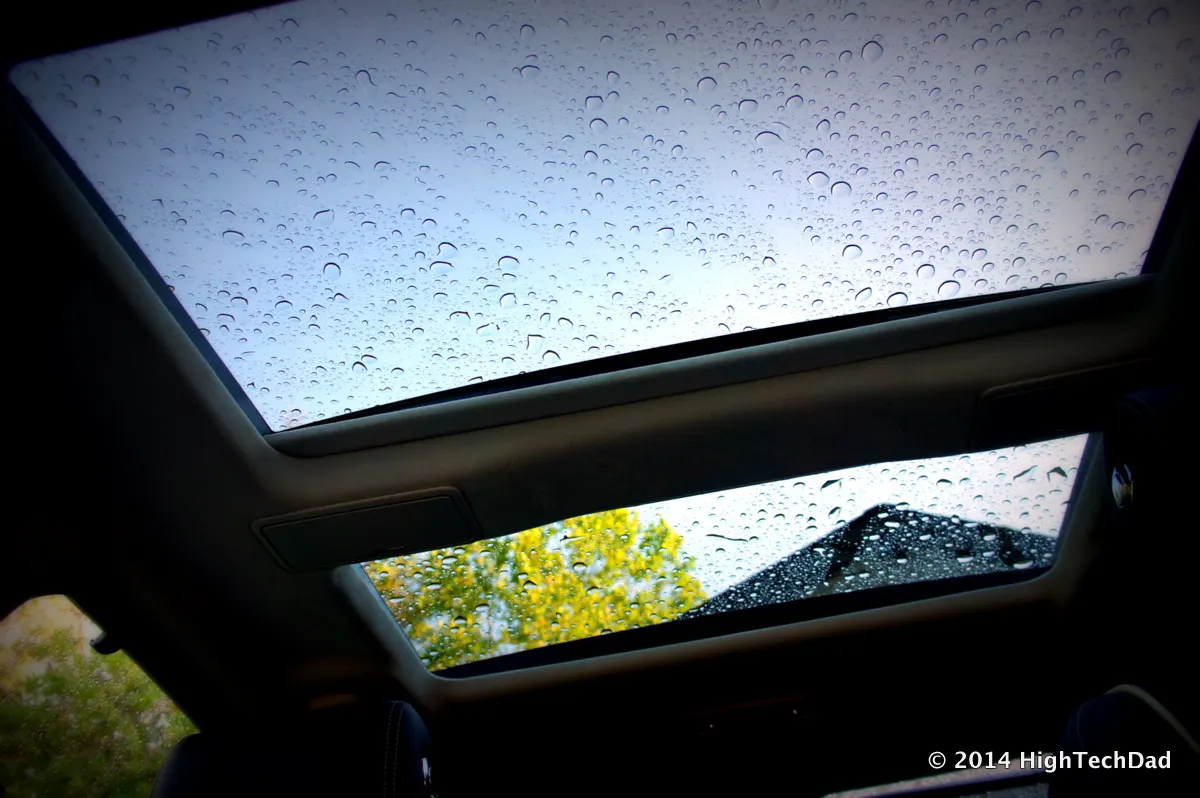
Engineers led by Guangming Tao and Huamin Zhou of Huazhong University of Science and Technology, alongside Cheng-Wei Qiu of the National University of Singapore, developed a passive cooling metafabric sunshade that lowered parked vehicle cabin temperatures by up to 17.8 °C in real-world summer conditions, according to EurekAlert eurekalert.org
EurekAlerteurekalert.orgOpen source ↗.
Photoluminescent conversion and radiative cooling
Standard automotive glass transmits visible and near-infrared radiation while trapping indoor heat. The proposed concept relies on post-glass spectral regulation via a three-layer material architecture. Fluorescent particles within the fabric absorb incoming ultraviolet photons and re-emit them as visible light with an absolute quantum yield of 16.4%, dissipating energy as light rather than thermal accumulation.
Simultaneously, a titanium dioxide layer reflects 94.3% of solar radiation, while the textile structure maintains a mid-infrared emissivity of 95.8% to direct heat through the atmospheric transmission window. Under simulated sunlight, the composite delivered a net cooling power of 130.13 W/m², compared to 77.23 W/m² recorded for identical fabric lacking photoluminescent particles.
Vehicle trials and physical durability
In field vehicle tests, cabins equipped with the prototype ran 17.8 °C cooler than unshaded cars and 14.4 °C cooler than those using commercial sunshades eurekalert.org
EurekAlerteurekalert.orgOpen source ↗. The driver's seat back and cushion recorded reductions of 5.4 °C and 3.7 °C, respectively, with similar cooling verified during a four-day test on a glass room in Wuhan.
The material was manufactured in 1.2-meter-wide sections via blade coating. Lab evaluations showed a thermal conductivity of 0.059 W/(m·K), roughly one-tenth that of glass. After 100 abrasion cycles, solar reflectivity remained at 93.6%, and 168 hours of ultraviolet exposure under the ASTM G-154 standard resulted in a 1.85% reflectivity loss.