HKU and Harvard develop shape-adaptive iHEÄLS hydrogel for bone trauma repair
Researchers have engineered a mouldable hydrogel that achieves rapid haemostasis and accelerates bone regeneration in animal models.
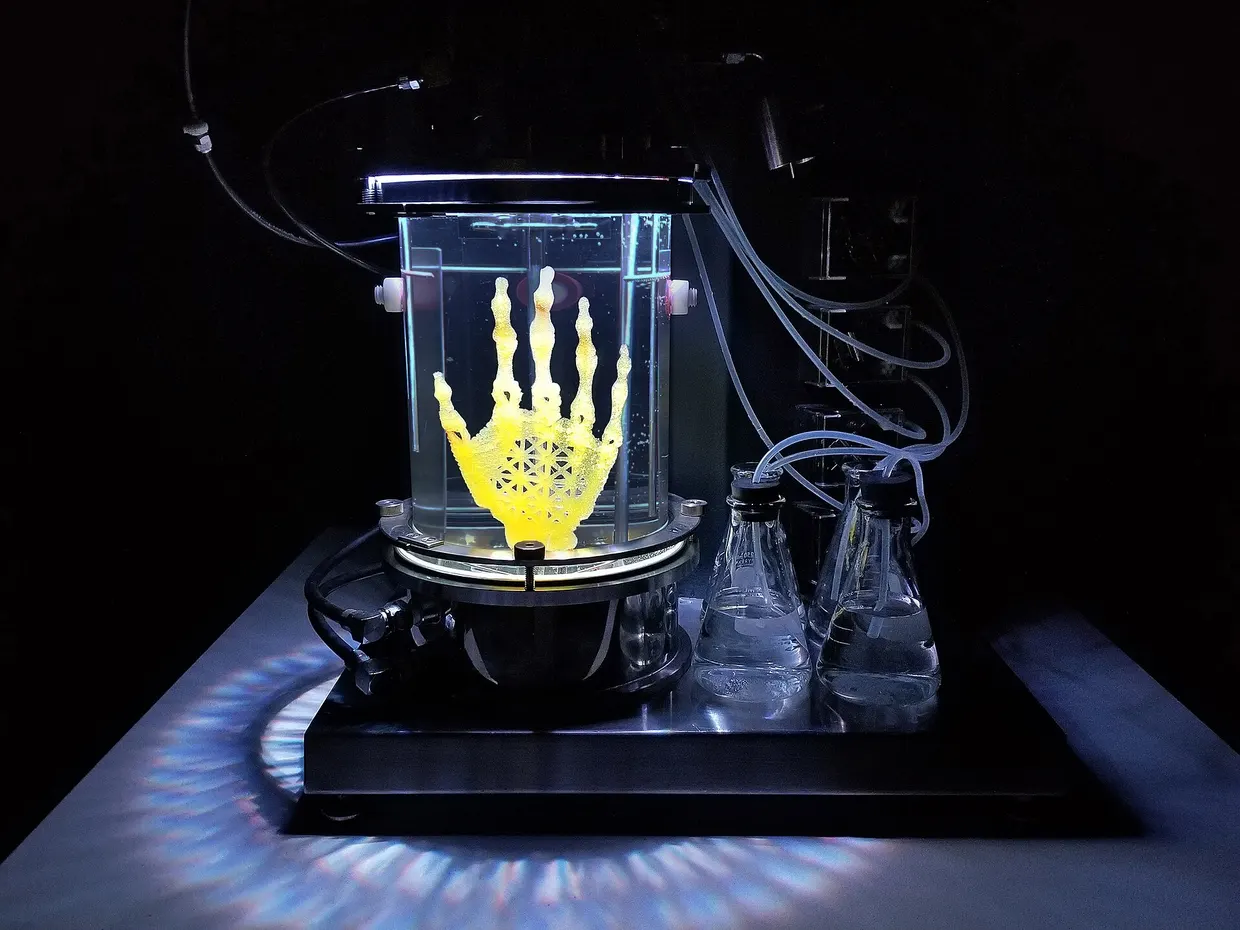
Researchers from the Faculty of Dentistry at The University of Hong Kong and Harvard Medical School have developed and preclinically validated a shape-adaptive biomaterial designed for irregular bone defects and severe bleeding, according to a study published in Advanced Materials wiley.com
Advanced Materialswiley.comOpen source ↗. The hydrogel, named iHEÄLS, mimics the malleability of modeling clay to conform directly to anatomical geometries without requiring the defect site to be reshaped to fit rigid implants.
Triple-network architecture and mechanical training
The biomaterial relies on a hierarchical triple-network architecture composed of polyvinyl alcohol, gelatin, and cellulose nanocrystals (CNCs). These components are crosslinked via dynamic borate ester bonds and enzymatic covalent links, allowing the polymer network to exhibit self-healing capabilities, tissue adhesion in wet environments, and mechanical integrity.
Post-crosslinking mechanical training aligns the polymer chains and uniformly orientates the embedded cellulose nanocrystals, substantially reinforcing the construct. When applied to wounds, the hydrogel rapidly absorbs biofluids to achieve haemostasis while remaining flexible enough to blend with and stabilise autologous bone fragments, an essential capability for managing comminuted fractures.
Osteogenic differentiation and preclinical validation
Beyond mechanical support, iHEÄLS operates as a biodegradable extracellular matrix that amplifies mechanotransduction signalling and bioactivity wiley.com
Advanced Materialswiley.comOpen source ↗. Preclinical tests demonstrated that the material supports cell migration and accelerates osteogenic differentiation. In an in vivo critical-sized calvarial defect model, the hydrogel sustained bone tissue regeneration while undergoing steady biodegradation compatible with progressive repair. The researchers reported favourable tissue integration without evident adverse immune or inflammatory responses.