Snapshot Europe publishes continent-wide camera-trap dataset with 100,000 observations
Researchers from over 20 countries released the first two years of standardized monitoring data covering mammals and birds across Europe.
The Max Planck Institute of Animal Behavior and the Euromammals network have released the first public dataset from the continent-wide wildlife survey Snapshot Europe, EurekAlert reported. The dataset covers the initial two years of observations, documenting 100,000 records of terrestrial mammals and birds across more than 1,000 locations in 22 European nations eurekalert.org
EurekAlerteurekalert.orgOpen source ↗. The initiative relies on more than 160 camera-trap specialists from 118 organizations, including universities, museums, and nature reserves.
Standardized continental monitoring
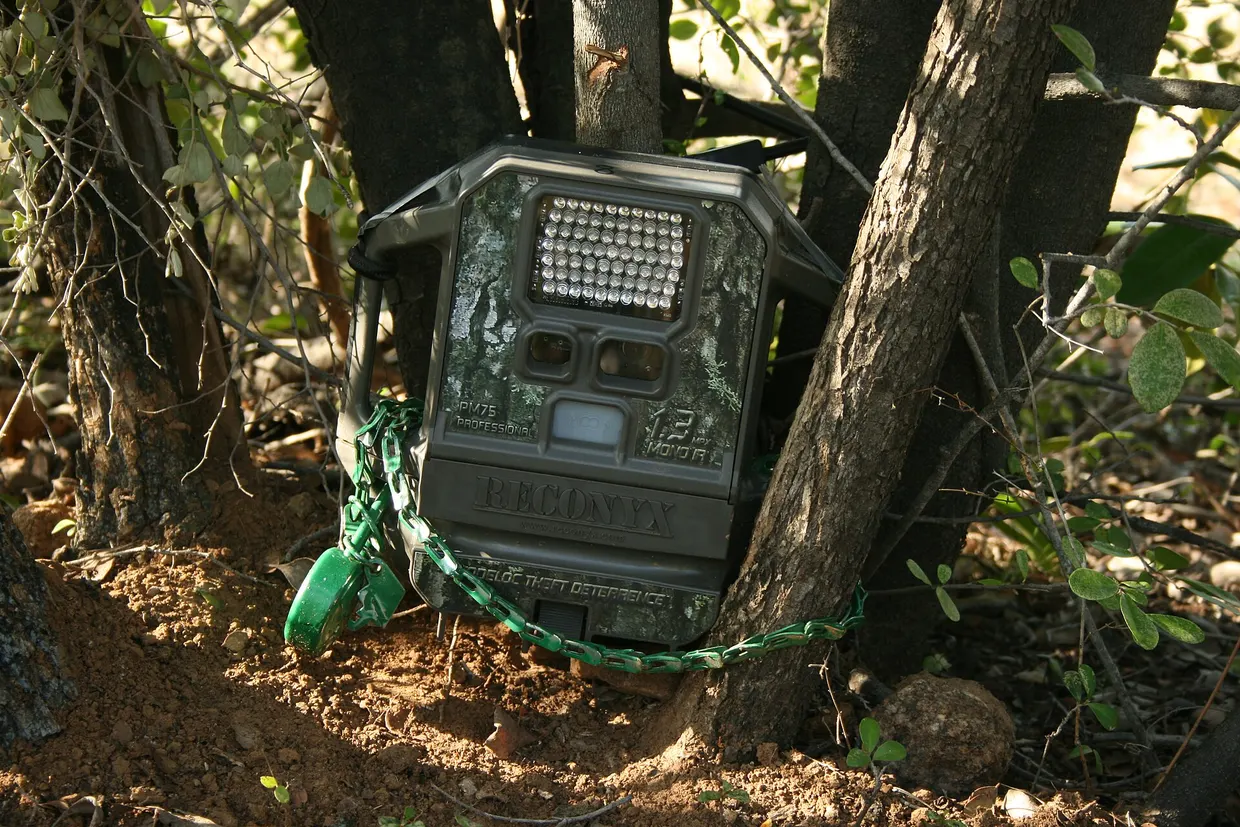
Under a unified sampling protocol, participants deployed motion-triggered infrared sensor cameras annually between August and November, positioning them at knee level. The survey network spanned diverse ecosystems, capturing footage ranging from moose in Sweden's Svartberget forests to red deer on dunes in Spain's Parque Nacional de Doñana. Once collected, all imagery was uploaded to the centralized Wildlife Insights platform, where expert collaborators reviewed and verified each species label.
Recorded species and spatial patterns
According to the published findings, red deer was the most frequently recorded species across all survey zones, followed closely by roe deer, wild boar, red fox, and European rabbit. Belgium registered the highest daily observation rates, primarily due to European rabbits appearing up to ten times per day at specific sites. Biodiversity peaked in Italy's Parco Nazionale Casentino, where researchers confirmed 15 species, including badgers, martens, wolves, and red deer.
The survey also traced the distribution of non-native species, detecting northern raccoons across Germany, Italy, and the Czech Republic eurekalert.org
EurekAlerteurekalert.orgOpen source ↗. The research team is currently assembling data collected between 2023 and 2025 to enable longitudinal comparative analyses of population trends. Building on this operational framework, the international Snapshot Global initiative is expanding standardized camera-trap networks into regions including Japan, Brazil, Chile, and Paraguay.