CAS researchers develop Msc-RRBS method for single-cell DNA methylation analysis
A streamlined protocol performs all enzymatic steps in a single microwell, cutting DNA loss and sequencing hundreds of single cells in six days.
Researchers from the Hefei Institutes of Physical Science at the Chinese Academy of Sciences have developed a multiplexed single-cell reduced-representation bisulfite sequencing protocol, termed Msc-RRBS. The method enables parallel genome-wide DNA methylation profiling of hundreds of individual cells, pooled cells, or sub-nanogram amounts of purified genomic DNA. According to the protocol published in Nature Protocols, the full experimental workflow—from initial cell sorting to sequencing-ready libraries and baseline data analysis—takes approximately six days for one or more 96-well plates nature.com
Nature Protocolsnature.comOpen source ↗.
Single-microwell reactions and barcoding
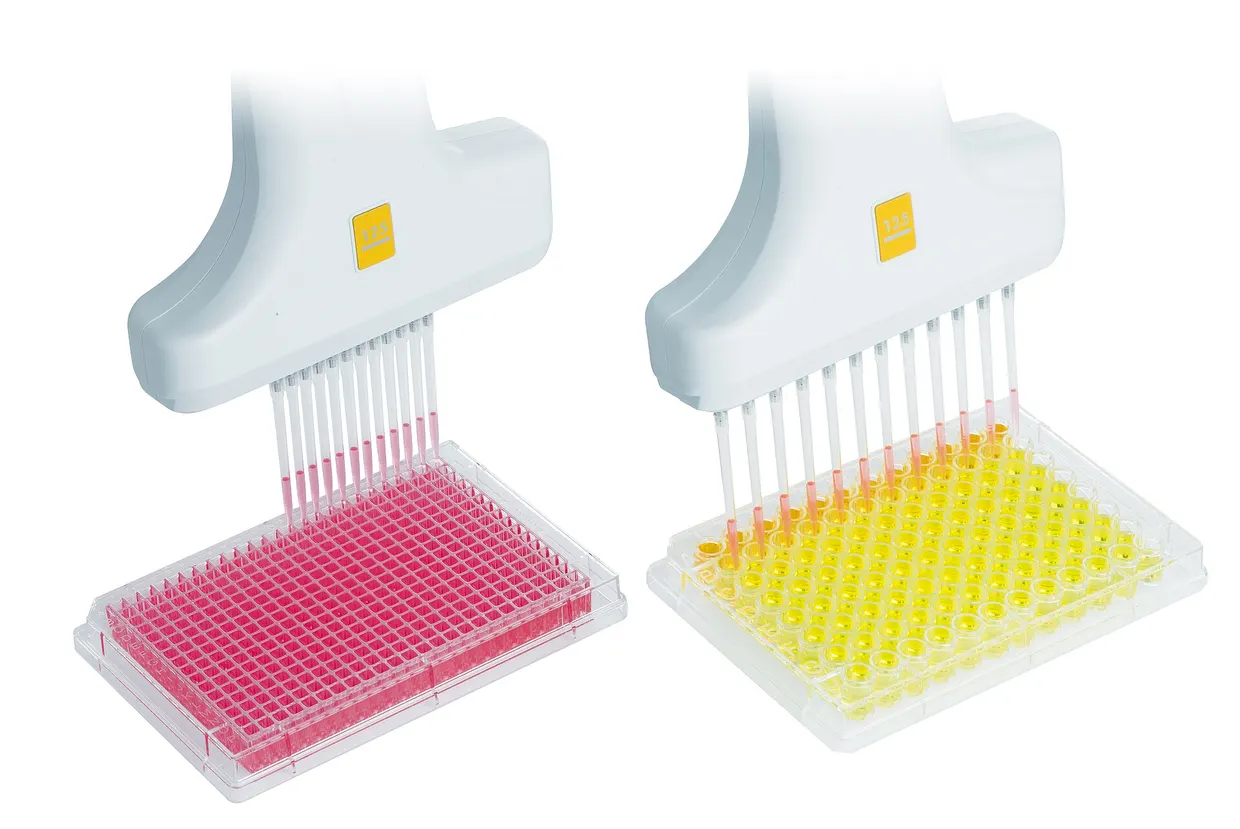
Conventional bulk RRBS measures average epigenetic marks across thousands of cells, which masks cell-to-cell heterogeneity during differentiation and oncogenesis. Single-cell variants often suffer from material loss due to repeated tube transfers and buffer exchanges. In the Msc-RRBS workflow, all core enzymatic steps—including cell lysis, restriction enzyme digestion, end repair, and adapter ligation—are carried out consecutively in a single microwell without intermediate buffer replacement.
The protocol utilizes short, indexed adapters that reduce adapter dimer formation and facilitate library purification using magnetic bead clean-up. Molecular barcoding enables the pooling of 24 single-cell samples for multiplexed downstream processing, significantly decreasing reagent consumption and hands-on time. Data processing is supported by SingleCellMethPipe, an automated pipeline developed by the authors to handle raw read alignment, methylation pattern extraction, and quality control metrics.
Validation on hematopoietic stem cells
To test the workflow on clinical specimens, the team profiled 96 individual blood-forming stem and progenitor cells isolated from a healthy donor and a patient diagnosed with myelodysplastic syndrome. Following sequencing and algorithmic evaluation, 86 single-cell libraries satisfied quality control thresholds, yielding an experimental success rate of 89.6% nature.com
Nature Protocolsnature.comOpen source ↗.
The resulting datasets resolved epigenetic divergence between cell subpopulations and highlighted distinct methylation signatures distinguishing normal hematopoiesis from myelodysplastic syndrome cells. Standard execution of the wet-lab protocol requires basic molecular biology training, while the accompanying software pipeline processes raw read outputs without advanced bioinformatics infrastructure.