TU Eindhoven Study Shows Making Green Steel in Brazil Cuts Emissions by 25%
Manufacturing green steel directly in Brazil is more cost-effective and reduces emissions compared to shipping hydrogen to Europe.
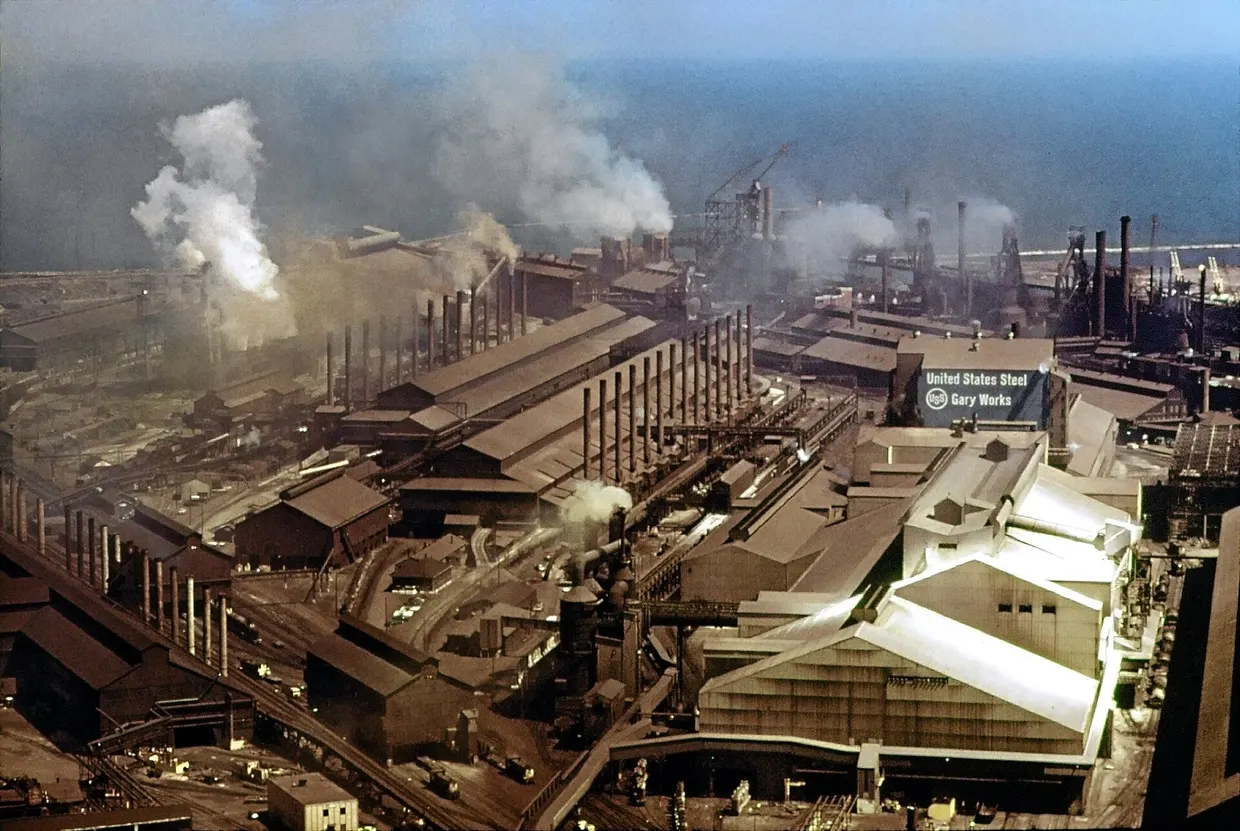
Producing green steel directly in the Brazilian state of Ceará reduces life-cycle greenhouse gas emissions by 25% compared to exporting hydrogen to manufacture the metal in Europe, according to an economic modeling analysis presented by Clara Rabelo Caiafa Pereira, a postdoctoral researcher at Eindhoven University of Technology (TU Eindhoven). The findings, reported via EurekAlert, were outlined during the FAPESP Week Netherlands symposium in Leiden eurekalert.org
EurekAlerteurekalert.orgOpen source ↗. The analysis evaluates the trade corridor formalized in 2023 between Ceará and Europe via the ports of Pecém and Rotterdam.
Direct steelmaking in South America avoids the significant energy losses typically caused by the chemical conversion, liquefaction, and long-distance maritime transport of hydrogen fuel. Furthermore, manufacturing the metal locally in Brazil is more labor-intensive than simply operating automated hydrogen extraction facilities, generating higher-skilled industrial employment in the Northeast of the country.
Grid Constraints and Resource Deficits
The assessment aligns with concerns raised in the January 2026 report "To Choose or to Lose" by the Dutch Scientific Climate Council, which highlighted extreme territorial limits, labor shortages, and power grid congestion in the Netherlands. Decarbonizing Dutch steel operations purely through imported hydrogen would consume roughly 20% of all electricity generated across the Netherlands in 2024. This volume would divert essential renewable energy away from other domestic sectors.
Pereira extended her simulations to intermediate materials such as low-carbon iron and the chemical sector, emphasizing that regional training must strictly track project deployment to avoid worker surpluses eurekalert.org
EurekAlerteurekalert.orgOpen source ↗.
Industrial Synergy and Biomass Integration
Eduardo da Rosa Silva, a business developer at the Netherlands Organization for Applied Scientific Research (TNO), noted that priority short-term integration relies on producing green pig iron using sustainable charcoal in Brazil alongside Dutch technology licensing. Industrial initiatives also target the densification of agricultural residues, such as sugarcane bagasse and eucalyptus, through torrefaction and pelletization.
A primary target involves biomass gasification to yield carbon-negative biomethane linked with Brazil's Fuel of the Future Law and Guarantee of Origin Certificates (CGOB). High upfront capital expenses and securing private investment remain major hurdles, which organizers propose solving via long-term off-take agreements.