Urinary PCA3/MSMB RT-qPCR assay shows 82.63% sensitivity in clinical study
Researchers evaluated a novel RT-qPCR test on 643 patients, demonstrating that non-invasive urine sampling without prior rectal examination matches standard accuracy.
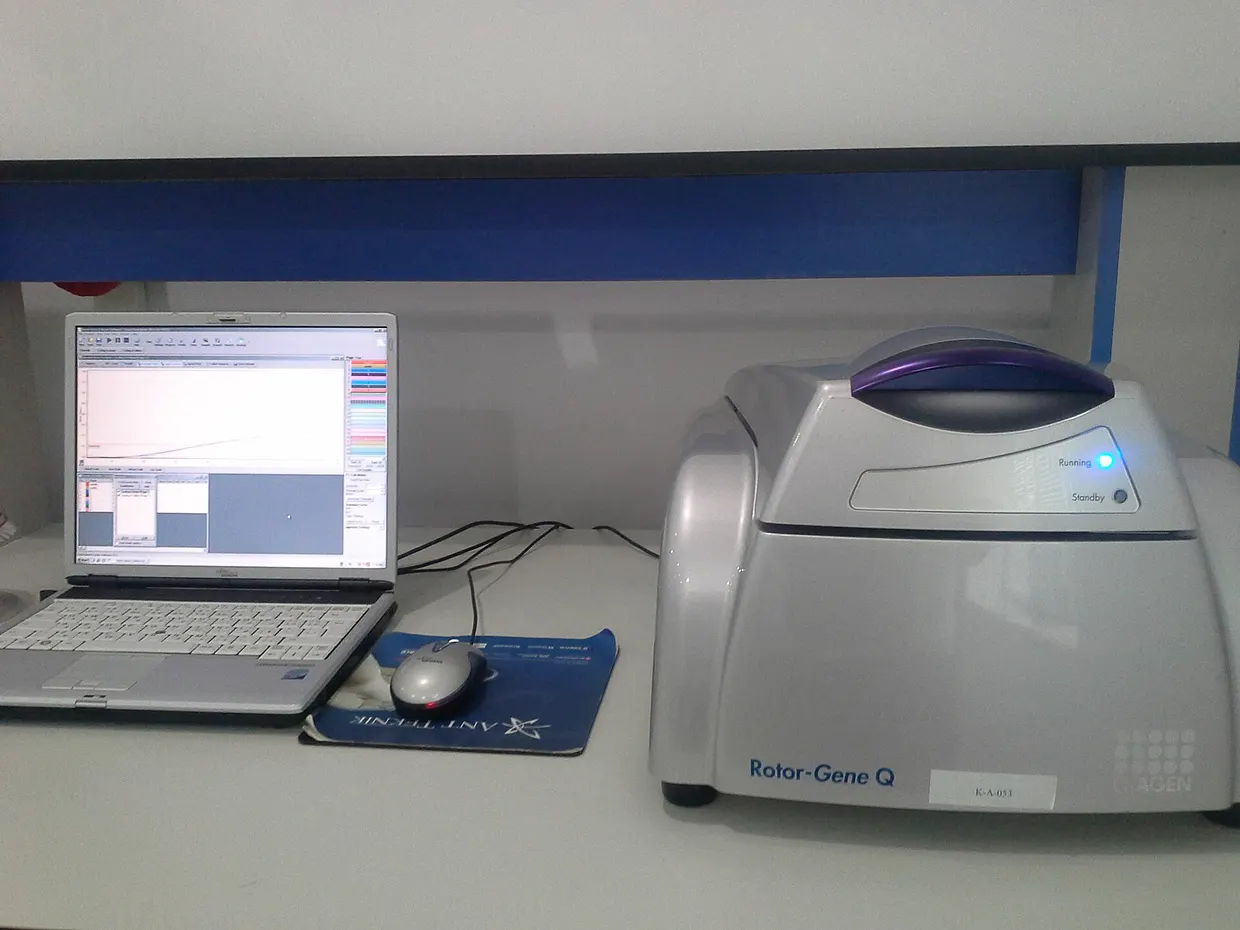
Researchers evaluated a novel noninvasive reverse transcription-quantitative polymerase chain reaction (RT-qPCR) assay for prostate cancer diagnosis across three prospective multicenter cohorts totaling 643 Chinese men, according to a study published in UroPrecision wiley.com
UroPrecisionwiley.comOpen source ↗. The test quantifies prostate cancer antigen 3 (PCA3) expression in urine using microseminoprotein-beta (MSMB) as a reference gene instead of the conventional kallikrein-related peptidase 3 (KLK3).
Diagnostic performance
In the initial evaluation cohort of 176 participants, the PCA3/MSMB test demonstrated superior diagnostic performance compared to the traditional PCA3/KLK3 assay. The system achieved an area under the receiver operating characteristic curve (AUC) of 0.869 versus 0.830 for the conventional method (p = 0.0468). Sensitivity reached 82.1% compared to 79.0%, while specificity reached 77.8% compared to 74.1%.
Validation in the second cohort of 350 patients confirmed the test parameters. The system demonstrated an overall sensitivity of 82.63% and a specificity of 77.50%, showing high precision and stability under clinical evaluation standards.
Sample collection method
In the third cohort comprising 117 participants, the investigators compared diagnostic accuracy between first-morning urine samples collected without prior digital rectal examination (DRE) and conventional post-DRE samples wiley.com
UroPrecisionwiley.comOpen source ↗. The diagnostic performance showed no statistically significant difference, with an AUC of 0.859 for non-DRE samples compared to 0.850 for post-DRE samples (p = 0.6262).
The authors concluded that the urinary PCA3/MSMB RT-qPCR platform enables accurate prostate cancer detection while eliminating the requirement for digital rectal massage before sampling. This protocol has the potential to simplify collection routines and reduce unnecessary prostate biopsies.