Researchers in China test piezoelectric PVDF toothbrush bristles in the lab and in 115 volunteers
An experimental toothbrush with PVDF filaments generates a charge that produces reactive oxygen species against oral bacteria. Lab and three-month human tests were reported.
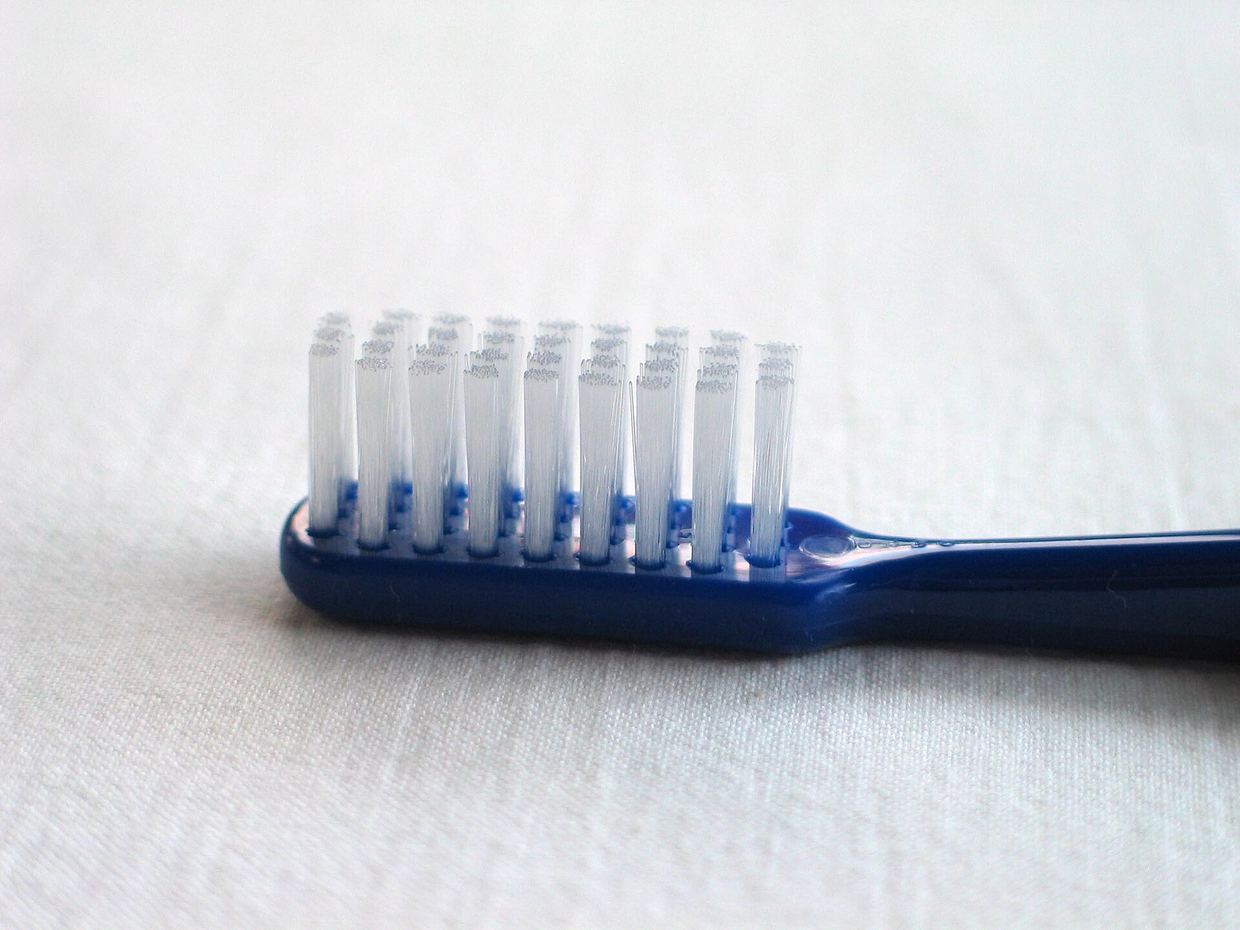
Researchers in China have developed an experimental toothbrush with bristles made of piezoelectric filaments, New Atlas reports. The filaments produce an electrical charge that drives a chemical reaction damaging the bacteria responsible for plaque and cavities newatlas.com
New Atlasnewatlas.comOpen source ↗. The design weaves polyvinylidene fluoride (PVDF) into the bristles themselves and, according to the description, does not need a battery
newatlas.com
New Atlasnewatlas.comOpen source ↗. The work was published in Science Advances.
How the PVDF bristles work
The reaction generates reactive oxygen species, chemically active substances that harm bacteria newatlas.com
New Atlasnewatlas.comOpen source ↗. Oral bacteria form a sticky biofilm that keeps them from being easily washed away. Ordinary brushing tears into this matrix, while mouthwash delays the bacteria's return but can be hard on healthy microflora.
Earlier approaches have their own limits. Ion-generating toothbrushes release charged particles that help repel plaque, and other brushes carry antibacterial agents woven into the bristles. Both have drawbacks, either a need for power or questionable long-term stability newatlas.com
New Atlasnewatlas.comOpen source ↗. A 2024 study explored a brush using electrically polarized polytetrafluoroethylene (PTFE) activated by ultrasound, which showed antibacterial effects and tooth whitening in laboratory experiments
newatlas.com
New Atlasnewatlas.comOpen source ↗.
Laboratory and volunteer results
In laboratory tests with PVDF filaments of two diameters, the method reduced populations of the oral pathogens Streptococcus mutans and Porphyromonas gingivalis by 45 to 78%. Standard nylon brushing reduced them by less than 10% newatlas.com
New Atlasnewatlas.comOpen source ↗. In tests on cow teeth, biofilm removal efficiency exceeded 99%
newatlas.com
New Atlasnewatlas.comOpen source ↗.
The team also ran a three-month evaluation with more than 100 volunteers who received the same brushing instructions, using genetic sequencing to track changes in oral microbes. Tests on 115 of the volunteers showed reductions in the relative abundance of several pathogens, along with better plaque and gum-health measures than conventional brushing newatlas.com
New Atlasnewatlas.comOpen source ↗.
The results have limits. A smaller share of potentially harmful bacteria does not automatically mean fewer bacteria overall. Improved plaque or reduced bleeding does not show that users will develop fewer cavities or avoid periodontitis in the coming years. Those questions require a longer follow-up.