University of New Mexico: silicate rock heated in hydrogen produced water in lab experiments
In lab runs at 1,200–1,400 °C, hydrogen reduced nearly 80% of iron oxide in silicate rock to metal, releasing water vapor; the authors propose a source of Earth's water.
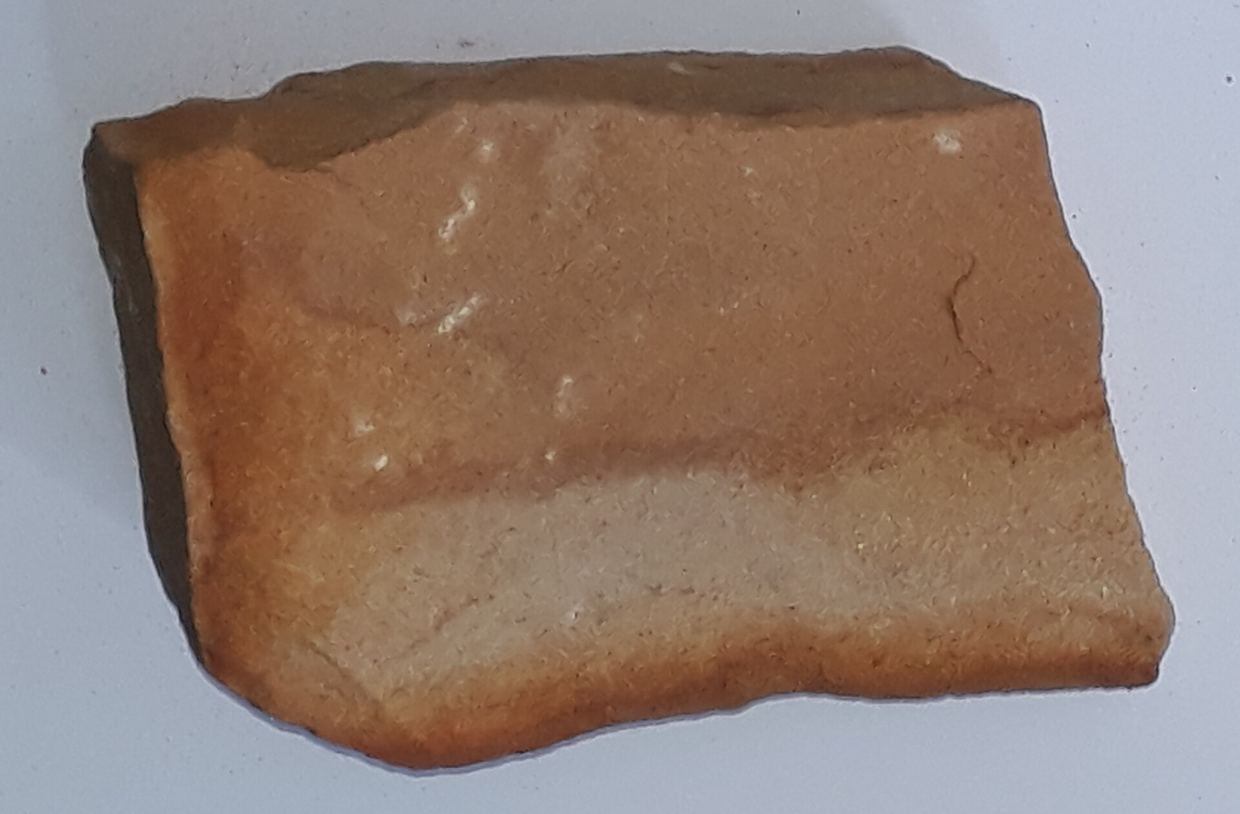
Researchers at the University of New Mexico have reported laboratory experiments in which silicate rock heated in a hydrogen stream produced water. The work was led by graduate student Susmita Garai together with Zachary Sharp, professor and director of Earth and Planetary Sciences, and Peter Olson. According to SciTechDaily, the study was published in Nature Geoscience and tested whether iron-bearing silicate rocks react with hydrogen under conditions resembling early planetary formation. scitechdaily.com
SciTechDailyscitechdaily.comOpen source ↗
Experiment: rock, hydrogen and heat
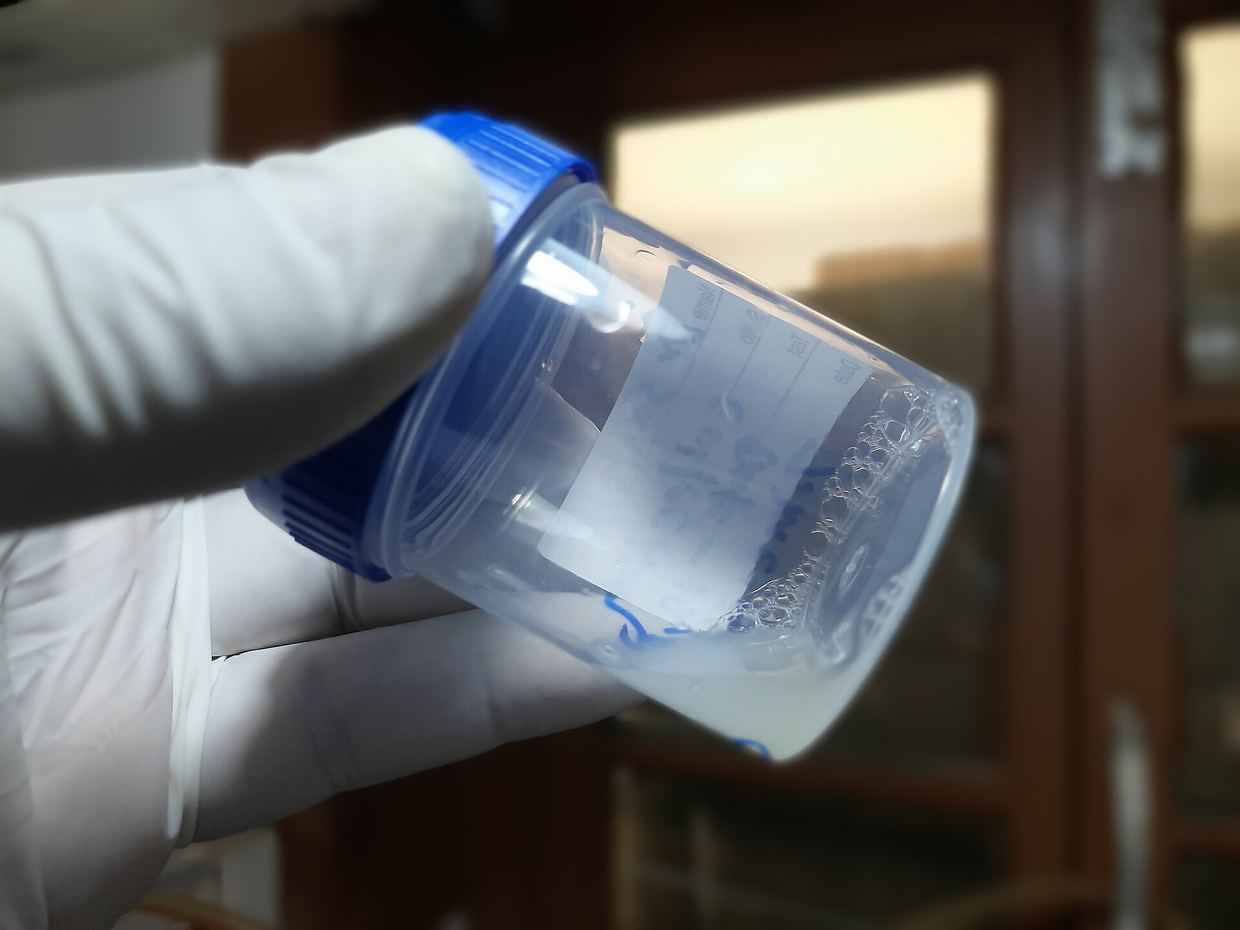
The team heated silicate rock samples to between 1,200 and 1,400 degrees Celsius (about 2,192 to 2,552 degrees Fahrenheit). The runs lasted from 15 minutes to three hours. Some samples were exposed to streams of hydrogen, while others were heated in helium for comparison, which let the researchers isolate the role of hydrogen. scitechdaily.com
SciTechDailyscitechdaily.comOpen source ↗
In the hydrogen experiments, nearly 80% of the iron oxide in the samples was converted into metallic iron, and water vapor formed in the process. Hydrogen reacted with oxygen bound to iron in the rock, leaving the iron as metal and producing water. The same reaction did not occur in helium. Sharp said water was produced in just minutes in this high-temperature environment. scitechdaily.com
SciTechDailyscitechdaily.comOpen source ↗
Proposed mechanism and open questions
One leading explanation for Earth's water is delivery by icy pebbles that formed in colder regions of the early solar system. Questions remain about how such particles traveled long distances and whether these deliveries fully explain Earth's chemical composition. scitechdaily.com
SciTechDailyscitechdaily.comOpen source ↗
The authors consider pebble accretion, a process in which small rocky particles accumulate into a larger planetary body. Once the growing planet became sufficiently massive, it could develop a hot, high-pressure, hydrogen-rich atmosphere. Silicate pebbles falling through it could then undergo the reaction tested in the laboratory. scitechdaily.com
SciTechDailyscitechdaily.comOpen source ↗
Sharp said that extrapolation of the results suggests hundreds of oceans' worth of water were likely produced this way. He also said that virtually any Earth-sized planet should have water by this mechanism, and that comparable conditions around other rocky planets could give a widespread route to water beyond the solar system. scitechdaily.com
SciTechDailyscitechdaily.comOpen source ↗
The experiments demonstrate a potential mechanism for producing water during planetary formation. Determining how much of Earth's water actually originated this way will require further research. scitechdaily.com
SciTechDailyscitechdaily.comOpen source ↗