DNA from scat shows 45–60 coyotes on North Carolina's Outer Banks despite removal programs
NC State researchers identified 62 coyotes on seven barrier islands in the first density study of its kind; the animals threaten nesting birds and sea turtles.
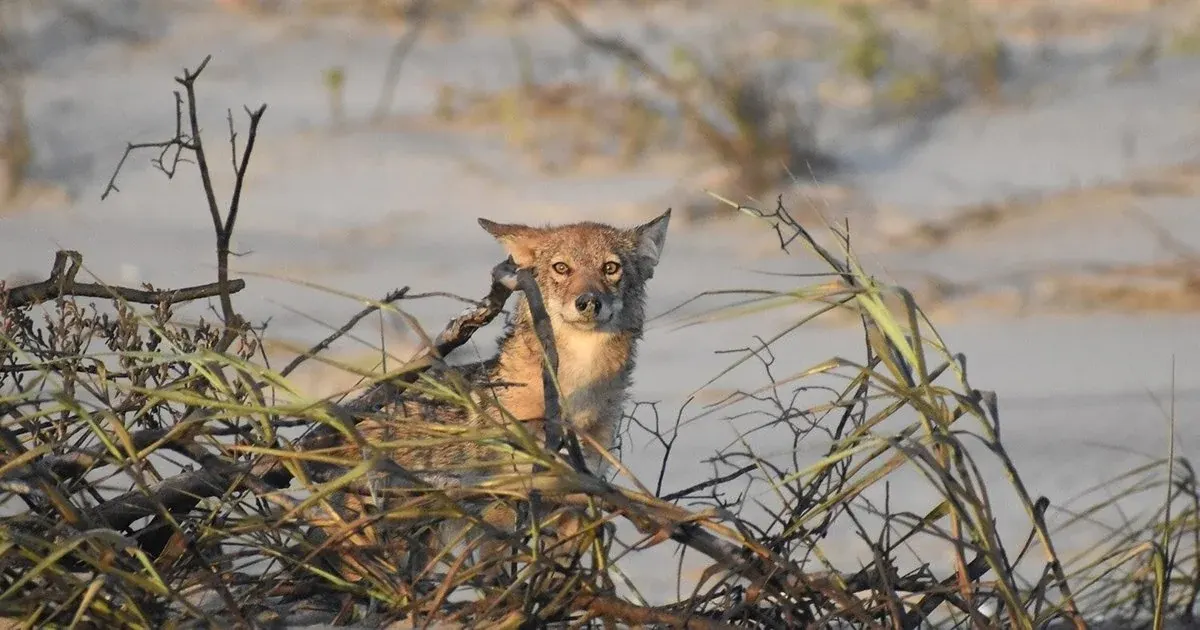
Researchers at North Carolina State University estimated that 45 to 60 coyotes live on the Outer Banks at the same time, despite ongoing removal programs, according to evrimagaci.org evrimagaci.org
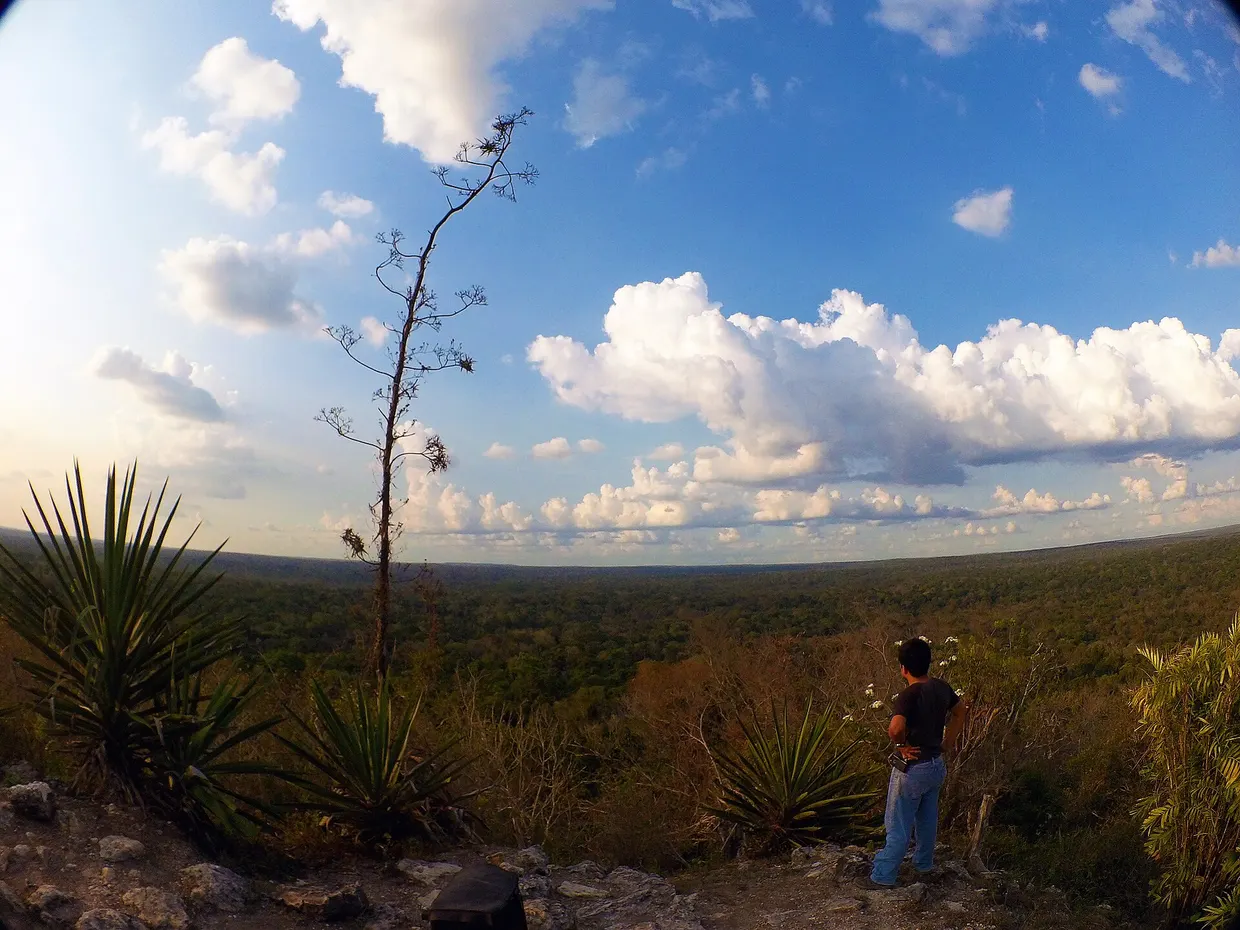
evrimagaci.orgevrimagaci.orgOpen source ↗. The Outer Banks are barrier islands off the North Carolina coast. The work is described as the first comprehensive assessment of coyotes on barrier islands and the first to estimate coyote density and population size on any barrier island. Over three seasons in 2024–2025, the team collected coyote scat on seven islands and analyzed the DNA in it. The islands were Bodie, Pea, Hatteras, Ocracoke, North Core, South Core and Shackleford Banks. The researchers identified 62 individual coyotes.
Removal and population turnover
Between 2009 and 2025, the National Park Service and the U.S. Fish and Wildlife Service removed more than 170 coyotes by lethal methods at Cape Hatteras National Seashore, Cape Lookout National Seashore and Pea Island National Wildlife Refuge. These areas are nesting habitat for shorebirds and sea turtles. In 2024 the Park Service removed 14 coyotes from Bodie and Hatteras islands, yet the researchers kept detecting coyotes on both islands throughout the year. Many animals that disappeared were replaced by new ones, which points to substantial individual turnover.
Lead author Daniel Sossover said removal often fails partly because of reproduction. Earlier studies show that under heavy removal pressure coyotes tend to breed earlier, produce larger litters and may move into cleared areas. Coyotes settled on the Outer Banks within the last twenty years, most likely crossing bridges and swimming between islands.
Density and genetic structure
Coyote density generally declined with distance from the mainland. Bodie Island, which is connected to the mainland, had the highest density; North Core Banks had the lowest, followed by Ocracoke evrimagaci.org
evrimagaci.orgevrimagaci.orgOpen source ↗. The team found four genetic groups across the Outer Banks. Three were largely associated with Hatteras and Pea islands, Bodie Island, and South Core Banks and Shackleford Banks. These groups had low genetic diversity and many closely related animals, which suggests they were founded fairly recently by a few mainland animals and now consist largely of family groups.
On Bodie and Hatteras, coyotes lived in separate packs in different parts of the islands. On the other islands, a single pack appeared to use the whole island. The groups were not fully isolated: the researchers found genetic links between mainland coyotes and those on Bodie Island, North Core Banks and Ocracoke, which suggests occasional migration from the mainland.
Sossover said that complete elimination of coyotes on the Outer Banks does not look likely to succeed. According to him, managers might turn to behavioral deterrents and other strategies alongside or instead of lethal removal. The study, "Coyote density, demography, and genetic structure across North Carolina's barrier islands," was published in the Journal of Wildlife Management. Its authors include Roland Kays and Liz Kierepka of NC State and Nathan Hostetter of the U.S. Geological Survey.