HFIPS scientists synthesize foldable electromagnetic shielding films with 100 dB attenuation
A new fabrication technique yields square-meter-scale flexible films that attenuate electromagnetic interference by over 100 dB across broad frequency bands.
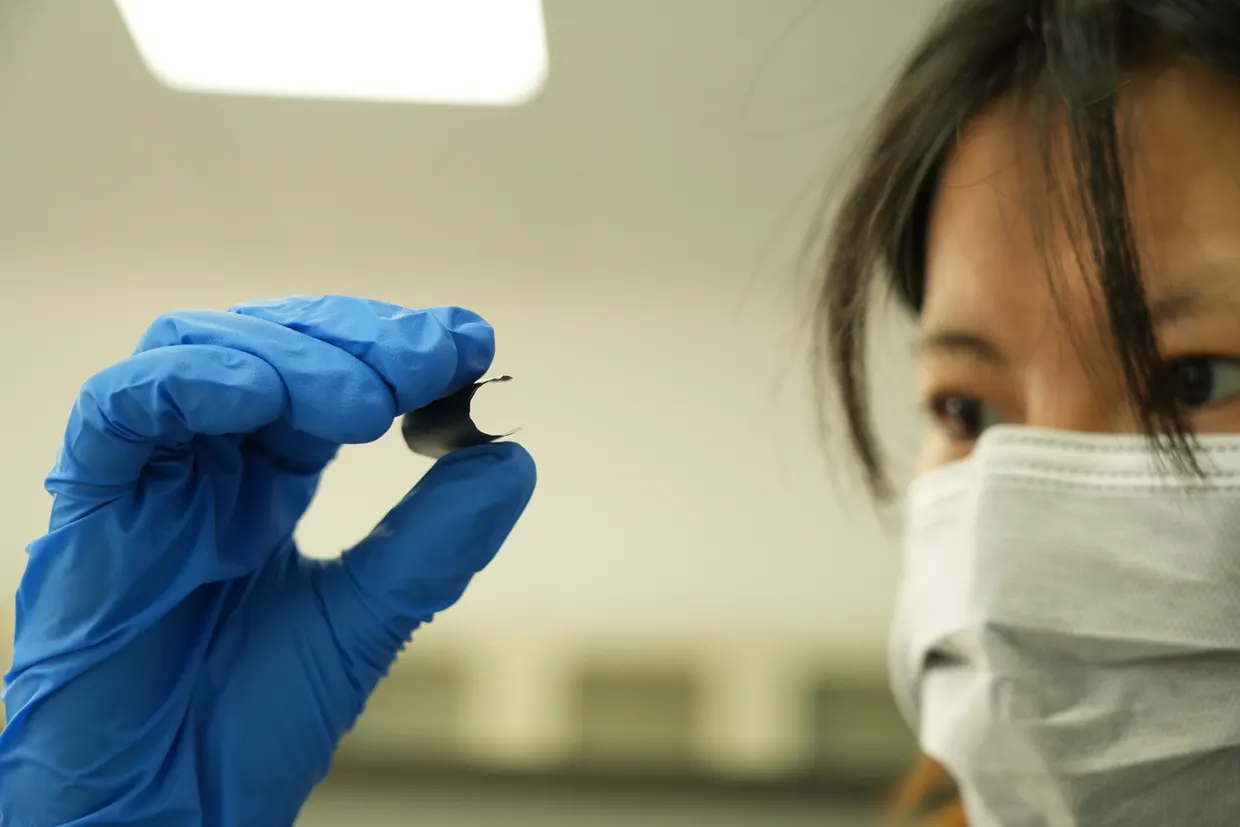
A research group from the Hefei Institutes of Physical Science (HFIPS) of the Chinese Academy of Sciences has introduced a method to manufacture flexible films that attenuate electromagnetic radiation across a broad frequency range, according to english.cas.cn english.cas.cn
english.cas.cnenglish.cas.cnOpen source ↗. The production method enables the fabrication of these shielding materials on a square-meter scale, addressing the physical constraints of conventional bulk shields.
Cross-dimensional percolation and metastructures
Conventional materials designed to absorb or reflect electromagnetic interference typically require significant thickness to perform adequately and usually target narrow frequency bands. To circumvent these constraints, the researchers applied a concept called cross-dimensional percolation. This architecture integrates nanomaterials of varying dimensions into a continuous three-dimensional interconnected network.
To expand frequency control, the team layered precisely printed conductive patterns onto the substrate, creating functional metastructures. These printed geometries allow the films to regulate electromagnetic waves over wider spectral intervals without adding excessive mass or rigidity.
Fabrication process and mechanical properties
The synthesis process combines pressure-assisted filtration, precision inkjet printing, and transfer methods english.cas.cn
english.cas.cnenglish.cas.cnOpen source ↗. To ensure high printing fidelity of the metastructures, the investigators synthesized a dedicated conductive ink, while adjusting the surface chemistry of the films to increase compliance.
According to the researchers, the resulting composite films withstand repeated folding cycles while retaining structural coherence. Measurements confirmed an electromagnetic shielding effectiveness exceeding 100 decibels. The authors reported that the material is intended to support the integration of broadband electromagnetic protection layers into flexible electronics and wearable devices.