UNAM researcher reconstructs Zapotec measurement system in Mitla
An analysis of architectural proportions revealed an 8-centimeter base unit linked to calendar intervals and cosmological numbers.
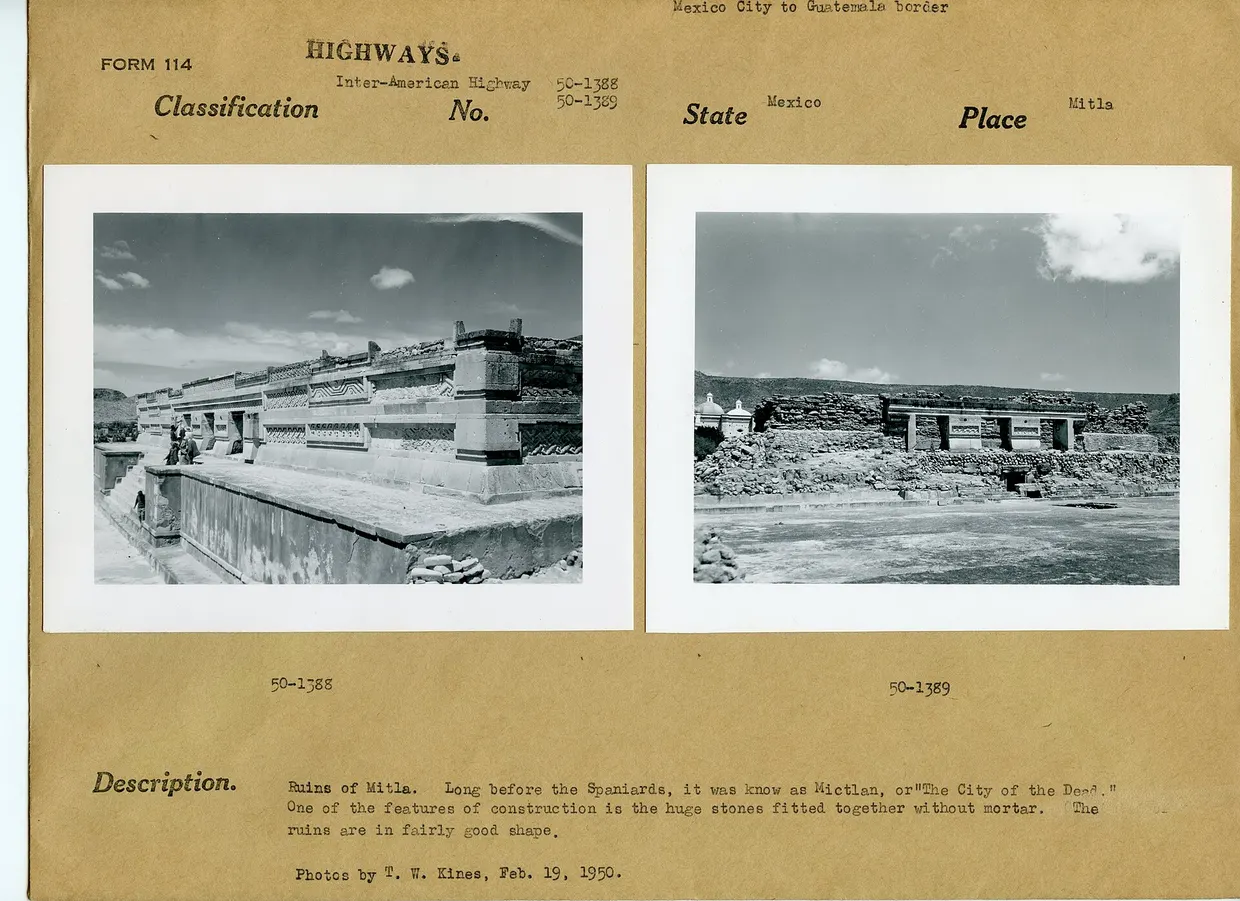
A study conducted at the ancient Zapotec site of Mitla in Oaxaca, Mexico, has revealed a previously unknown mathematical measurement system incorporated into the city's architecture. The findings by researcher Genevieve Lucet from the Universidad Nacional Autónoma de México (UNAM) were published in the scientific journal Ancient Mesoamerica, as reported by MDZ Online mdzol.com
MDZ Onlinemdzol.comOpen source ↗. The analysis demonstrated that doors, columns, courtyards, and tombs were designed using standardized dimensions that correlated with Mesoamerican calendar cycles rather than random construction variations.
Metric baseline and calendar alignments
By measuring the architectural elements across the site, the author determined that the core unit of this system was approximately eight centimeters, roughly equivalent to the width of four fingers. Zapotec builders expanded this base module into recurring larger distances of 1.84 and 1.92 meters throughout various structures. Multiple elements also exhibited dimensions mathematically tied to the number 52, which marks the interval of years required for the Mesoamerican solar and ritual calendars to align.
In one surveyed structure, the combined measurements of the portals and columns totaled 156 base units of eight centimeters. This product corresponds to exactly three 52-year cycles, a proportional ratio observed across several sectors of the complex.
Cosmological layout of ritual spaces
Spatial analysis of ceremonial spaces further indicated intentional placement of architectural features according to numbers significant to regional belief systems mdzol.com
MDZ Onlinemdzol.comOpen source ↗. In a central courtyard, an altar was deliberately offset from the geometric center to maintain distances governed by the numbers 9 and 13, which historically corresponded to the lords of the night and the day, as well as distinct cosmic levels.
While researchers emphasize that individual religious interpretations for every proportion cannot be definitively confirmed, the systematic repetition confirms strict urban planning protocols. Similar geometric intervals have been noted in other archaeological locations across Oaxaca, prompting further comparative fieldwork.