Francis Crick Institute identified lipid barrier protecting fruit fly pupae from heat
Scientists discovered an internal hydrocarbon shield that protects immobile fruit fly pupae from drying out under high temperatures.
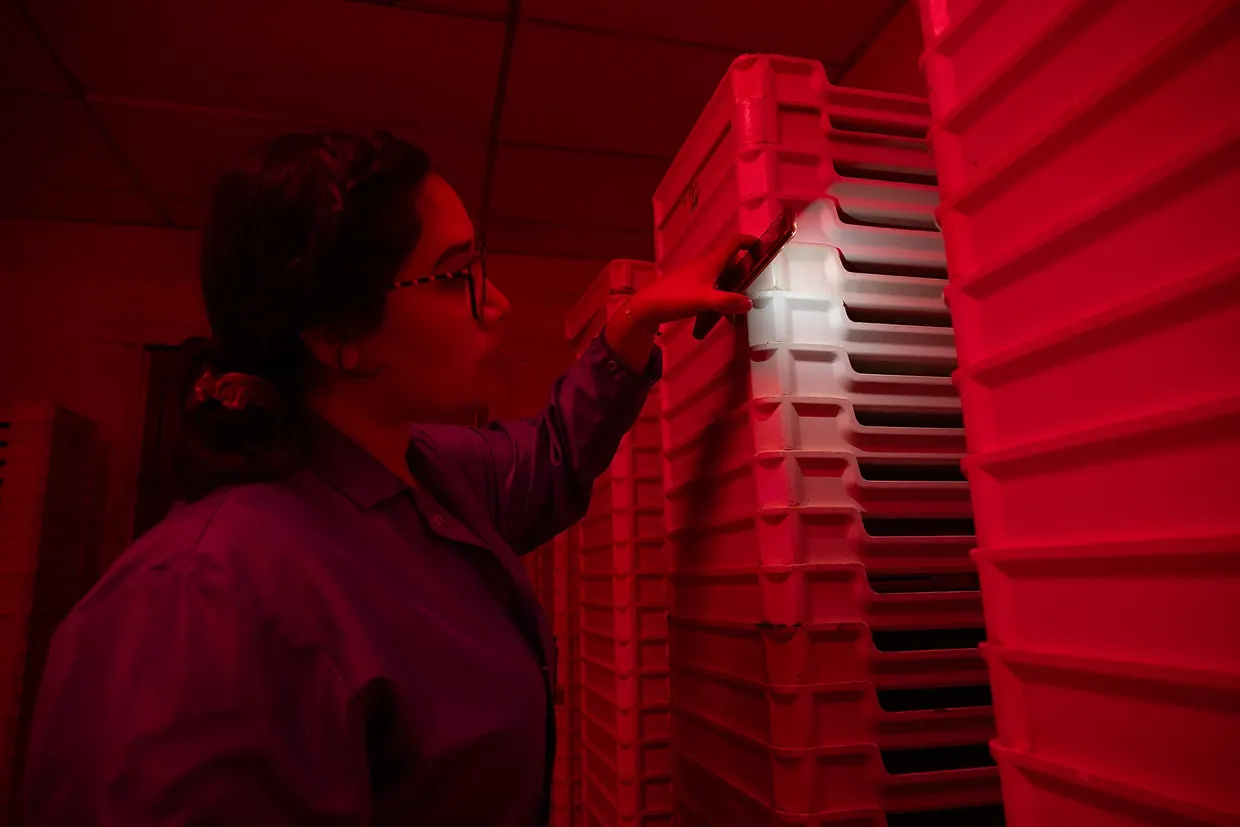
Biologists at the Francis Crick Institute discovered an internal lipid shield in fruit fly pupae that prevents lethal water loss in dry and hot conditions, according to a study published on November 6, 2026, in Science Advances and reported via EurekAlert eurekalert.org
EurekAlerteurekalert.orgOpen source ↗. While adult flies possess an outer protective coating of hydrocarbons, researchers found that immobile pupae lack surface hydrocarbons completely.
Using molecular imaging and analytical methods adapted from the petroleum industry, the team discovered that the pupa's hydrophobic barrier lines the underside of its cuticle. This internal layer consists of hyper-long hydrocarbons that are synthesized in advance by larval cells and stored in fat reserves before metamorphosis begins.
Genetic limits under thermal stress
The authors identified a specific elongase enzyme responsible for synthesizing these hyper-long hydrocarbons. Under standard laboratory parameters, turning off this enzyme produced minor effects, indicating redundant pathways.
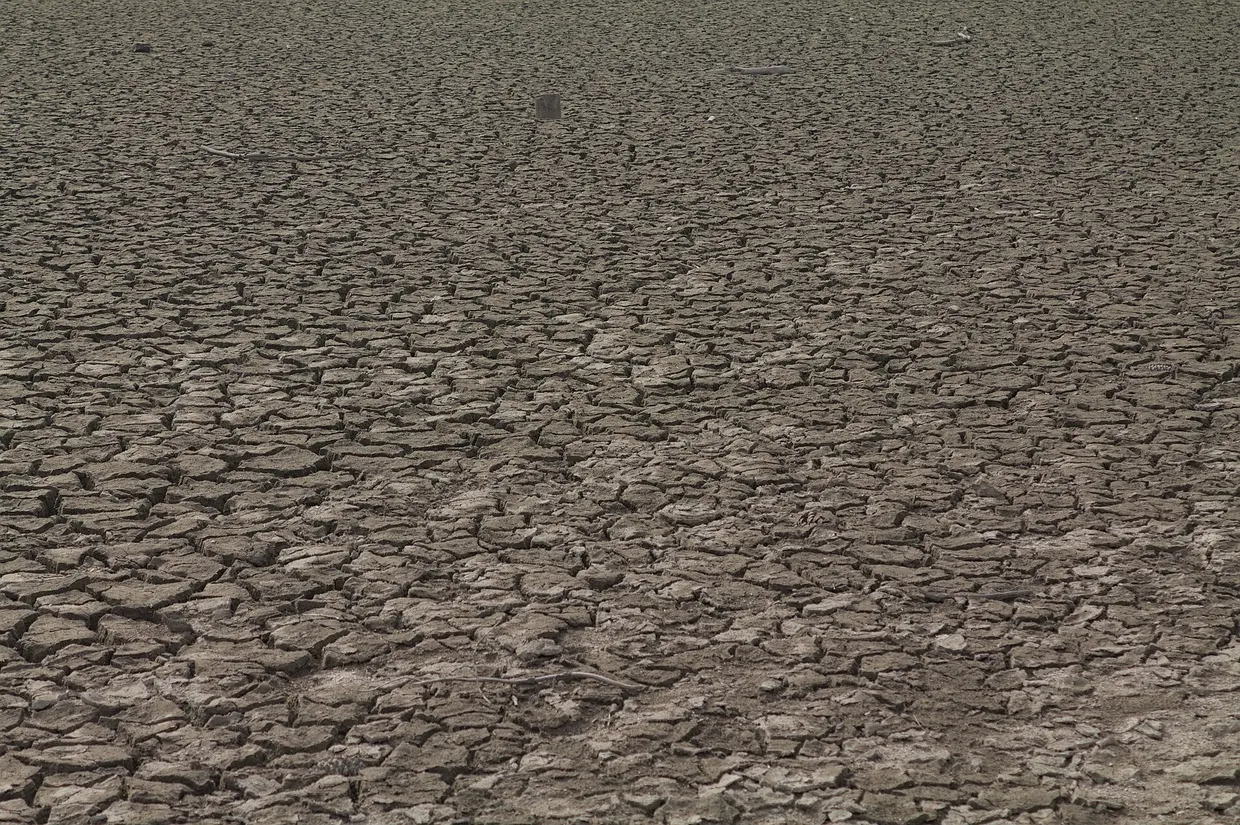
However, when researchers exposed the pupae to elevated temperatures and low humidity replicating subtropical and Mediterranean environments, water loss increased significantly. Pupa lacking the functional elongase enzyme saw dehydration rates almost double, reaching lethal thresholds eurekalert.org
EurekAlerteurekalert.orgOpen source ↗.
Evolutionary trade-off with pheromones
The study also highlighted an evolutionary compromise between desiccation resistance and chemical signaling. While hyper-long hydrocarbons maximize protection against drying, shorter hydrocarbons evaporate more readily, allowing adult flies to use them as airborne sex pheromones. Consequently, adult Drosophila compromise on medium-length chains.
In contrast, the desert-dwelling species Drosophila mojavensis retains hyper-long hydrocarbons into adulthood to withstand arid environments, relying on visual or contact mating cues instead of volatile pheromones.