PIK and IIASA identify three-way feedback amplifying mid-latitude heatwaves by 10 percent
Statistical analysis revealed a coupled interaction between soil moisture, atmospheric pressure, and temperature that intensifies extreme heat events.
Researchers from the Potsdam Institute for Climate Impact Research (PIK) and the International Institute for Applied Systems Analysis (IIASA) identified a self-reinforcing physical process that makes extreme heatwaves 10 percent hotter than expected, according to a report published via EurekAlert eurekalert.org
EurekAlerteurekalert.orgOpen source ↗. The findings, published in Science Advances, focus on the most severe mid-latitude heat events recorded across Europe, eastern and northwestern North America, southern Russia, Mongolia, northwestern India, the western coast of South America, central and southern Africa, and northern interior Australia.
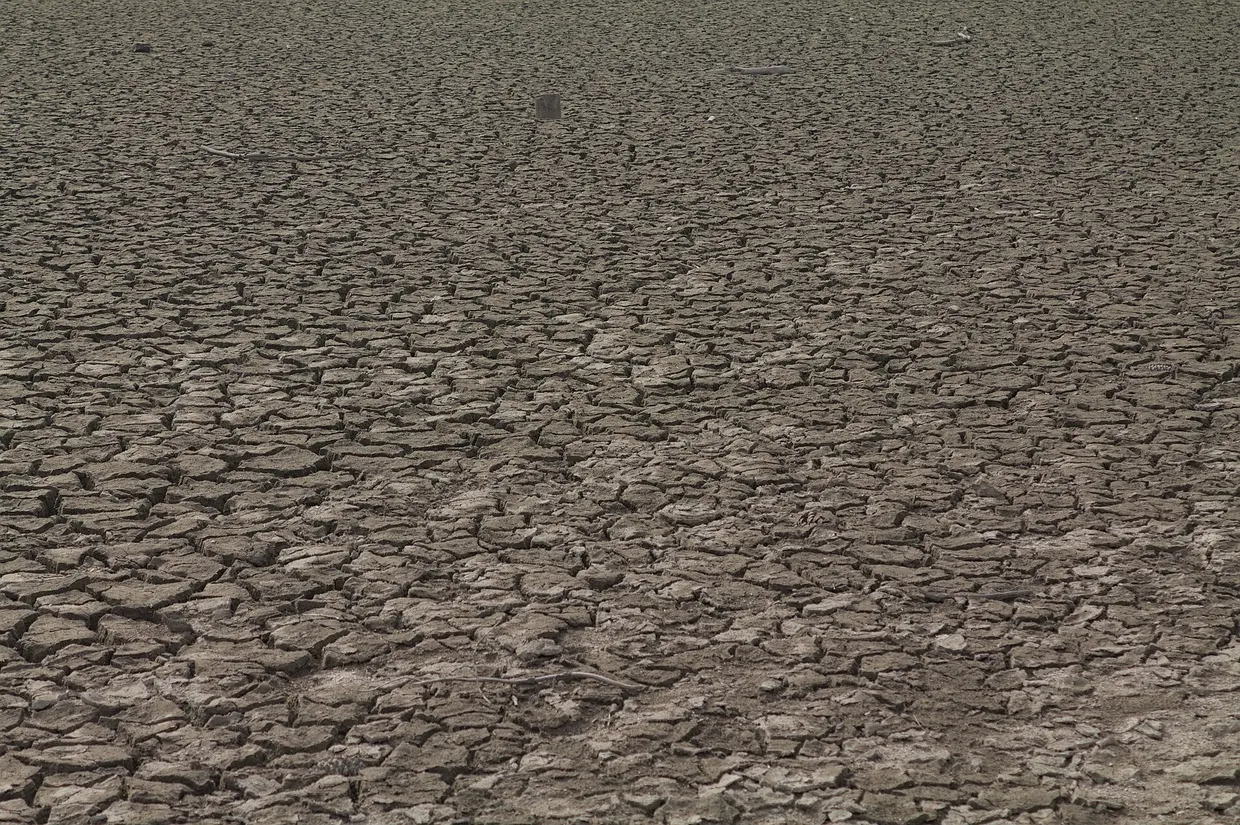
While typical models incorporate the two-way relationship between rising temperatures and drying soils, the team noted that exceeding a critical thermal threshold initiates a three-way interaction involving atmospheric pressure. High-pressure systems increase incoming solar radiation, heating the ground. In turn, desiccated soils lose evaporative cooling capacity, and this combined heating interacts with atmospheric circulation to lock in and amplify the anomalies further.
Trigger threshold and regional changes
In Europe, this feedback loop activates at approximately 4 Kelvin above average summer temperatures, which corresponds to roughly 29°C. According to the statistical and observational analysis, the probability of Central Europe exceeding this activation threshold rose from 6 percent during 1979–1983 to 23 percent in the 2018–2022 period.
Recent historical events illustrate the magnitude of these mega heatwaves, including the 2021 Pacific Northwest event, where temperatures exceeded prior local records by 4.6°C, and the 2022 European wave, when temperatures in the United Kingdom reached 40°C for the first time eurekalert.org
EurekAlerteurekalert.orgOpen source ↗.
Representation in climate models
The authors highlighted that this three-way dynamic is currently not well represented in standard predictive climate models used to project extreme weather risks. Because rising global mean temperatures push local conditions past the trigger threshold more frequently, extreme heat events could produce higher maximum temperatures than existing projections suggest.