LITMUS Consortium Identifies Non-Invasive Biomarkers to Replace Liver Biopsies
Two clinical studies show that blood panels, ultrasound elastography, and MRI can diagnose MASLD and fibrosis without biopsies.
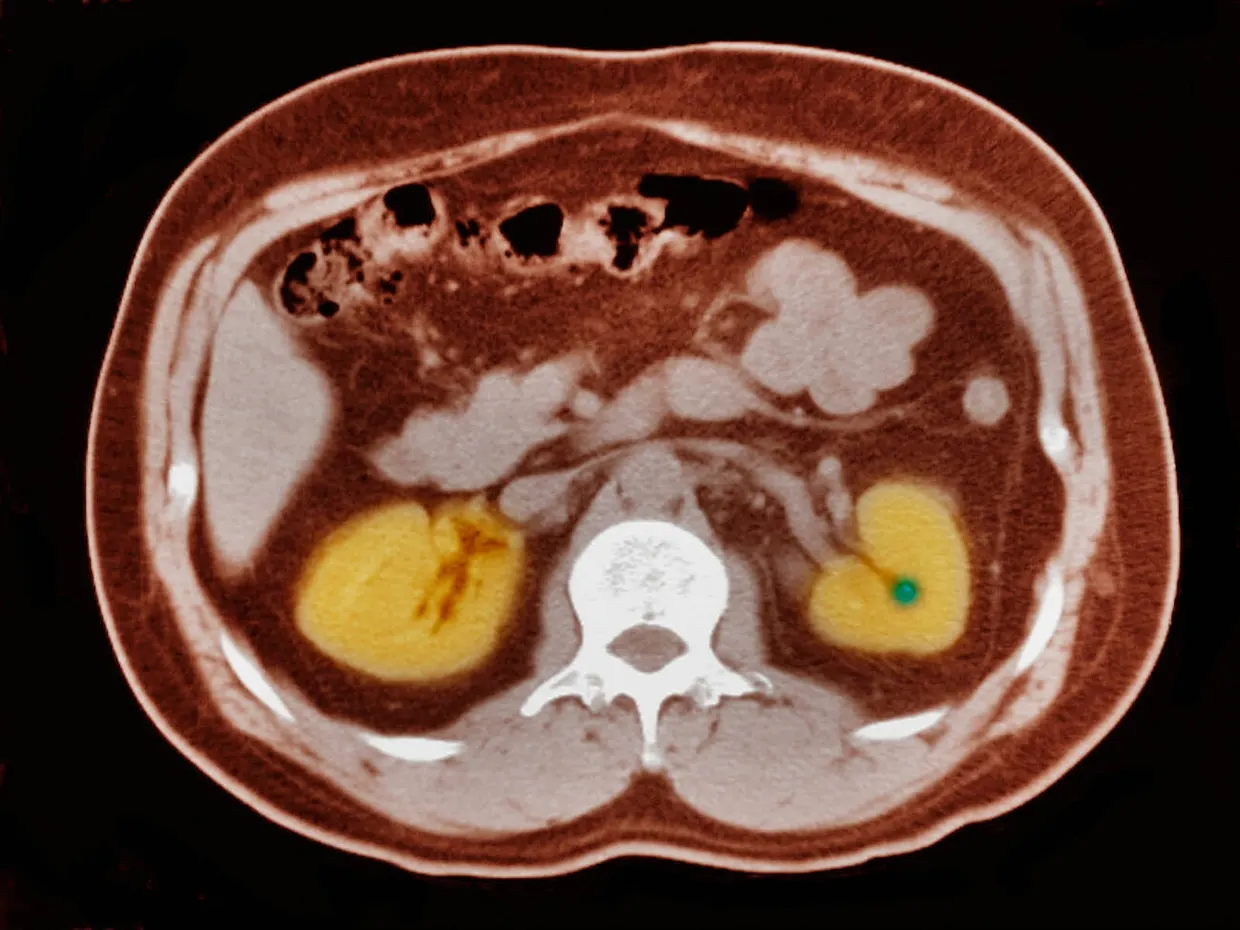
International researchers assessed non-invasive diagnostic tools across large patient cohorts to detect metabolic dysfunction-associated steatotic liver disease (MASLD) and its severe form, MASH, as reported by Nauka w Polsce. The findings, published in The Lancet and Nature Medicine as part of the LITMUS project, demonstrate that specific blood biomarkers and imaging technologies accurately stage hepatic fibrosis without the risks associated with tissue biopsies naukawpolsce.pl
Nauka w Polscenaukawpolsce.plOpen source ↗.
Biopsies remain the historical benchmark for staging liver tissue damage, yet they carry procedural risks such as hemorrhaging in a small percentage of cases. The main LITMUS study evaluated blood tests alongside ultrasound liver stiffness measurements in over 1,500 patients. A secondary imaging cohort involving more than 350 individuals systematically benchmarked magnetic resonance elastography (MRE) and advanced MRI techniques against histologic tissue evaluations conducted by pathologists.
Diagnostic Accuracy of Imaging and Proteomics
For advanced fibrosis and cirrhosis, magnetic resonance elastography, FibroScan elastography platforms (including the Agile 3+ score), and the SOMAScan proteomic panel demonstrated the highest overall diagnostic accuracy. While staging active inflammation remains difficult using non-invasive手段 alone, structural tissue stiffness and advanced scarring were reliably mapped by these specialized platforms.
Researchers noted that while histological biopsies likely remain necessary for recruiting high-risk participants into late-stage MASH drug trials, non-invasive profiling significantly reduces diagnostic bottlenecks in broader medical practice. High-throughput proteomic metrics also displayed substantial potential for eventual clinical adoption in monitoring progression.
Streamlining Multi-Tier Clinical Pathways
Testing demonstrated that a straightforward measurement of gamma-glutamyl transferase (gamma-GT) in peripheral blood outperformed the commonly calculated FIB-4 index. Investigators proposed a tiered diagnostic pathway suitable for standard healthcare infrastructure, relying on initial blood testing to triage at-risk populations before deploying specialized equipment naukawpolsce.pl
Nauka w Polscenaukawpolsce.plOpen source ↗.
Under this validated model, initial gamma-GT screening is followed, where indicated, by the enhanced liver fibrosis (ELF) blood test or FibroScan examinations. High-cost magnetic resonance imaging and MRE can subsequently be reserved for tertiary specialist care. This structured approach allows accurate staging of liver condition across primary care networks while conserving advanced imaging resources.