UC Santa Cruz team tracks psilocybin synaptic rewiring in mice
Researchers showed in mice that psilocybin accelerates synaptic remodeling via specific cortical neurons, distinct from behavioral twitch responses.
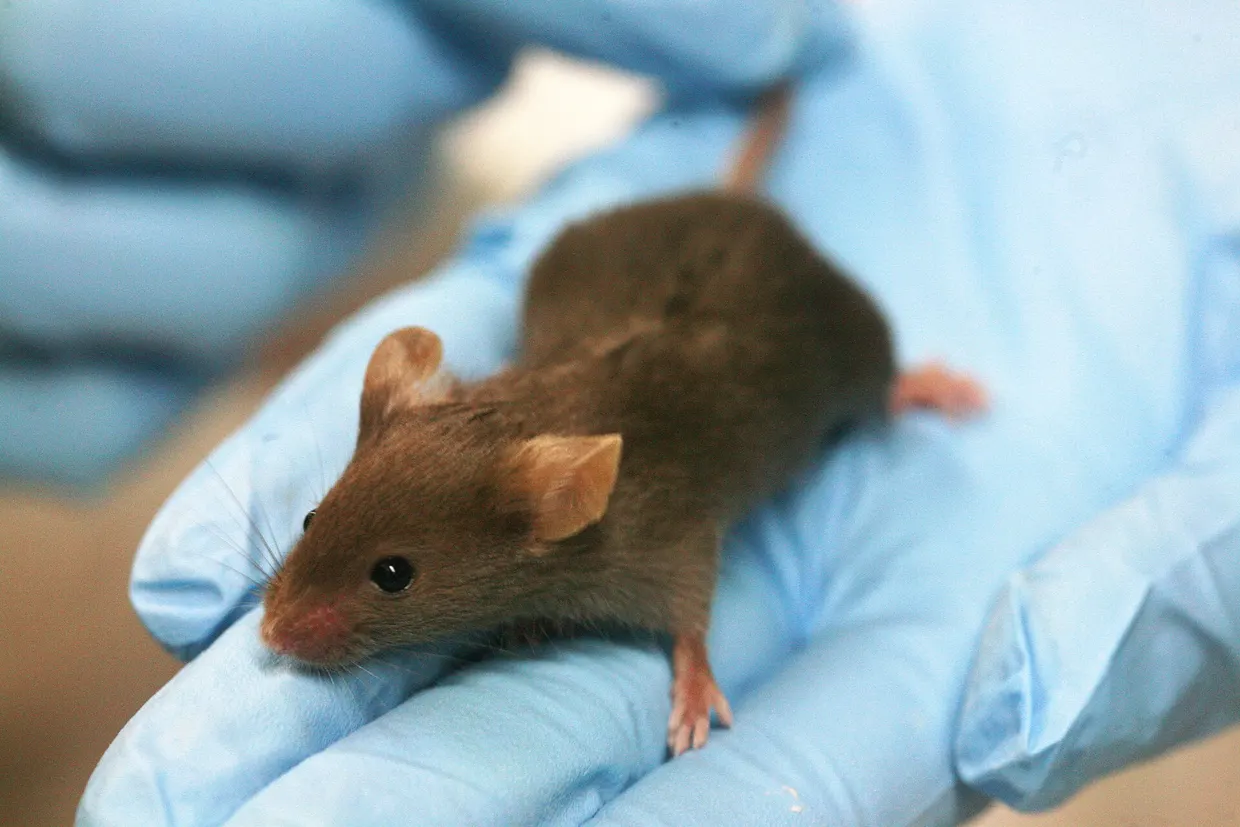
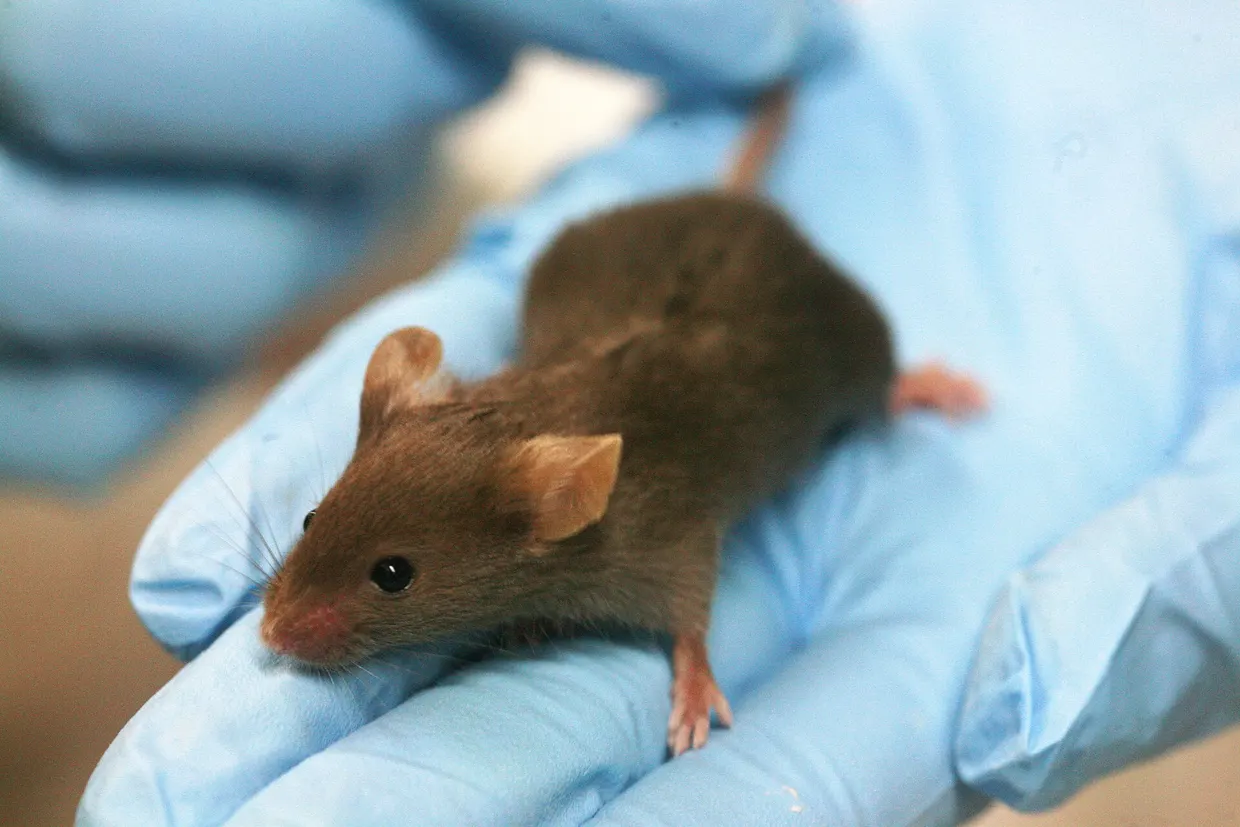
Researchers at the University of California, Santa Cruz, found that psilocybin rapidly reorganizes connections between nerve cells in living mice. The findings, published on October 15 in Nature Neuroscience, were reported by sciencedaily.com sciencedaily.com
sciencedaily.comsciencedaily.comOpen source ↗. Using two-photon microscopy, the team tracked individual dendritic spines on living neurons over several weeks following drug administration.
Within 24 hours of administration, psilocybin triggered a significant increase in the formation of new dendritic spines, which are the specialized neuronal protrusions that form synapses. In addition to accelerating their emergence, the compound promoted their maturation into stable structures. Over the following three weeks in healthy mice, the overall density of connections gradually shifted toward baseline levels as older, pre-existing connections were eliminated, demonstrating dynamic structural reorganization rather than a simple net increase in synapses.
Stress State and Circuit Mechanics
The cellular response varied depending on the brain's baseline condition. In mice subjected to a model of unpredictable mild chronic stress, psilocybin caused more pronounced formation of new dendritic spines while preventing the loss of connections typically induced by chronic stress. This differential effect indicates that prior neural states modulate the structural outcome of the compound.
Decoupling Structural Plasticity
The researchers also identified the role of serotonin 5-HT2A receptors on layer 5 pyramidal neurons in the cerebral cortex. In genetically modified mice, selectively restoring these receptors exclusively on layer 5 pyramidal cells proved sufficient for psilocybin to induce and stabilize new synapses sciencedaily.com
sciencedaily.comsciencedaily.comOpen source ↗. Crucially, these mice did not display the head-twitch response commonly monitored as a behavioral proxy in rodent psychedelic studies.
Conversely, deleting 5-HT2A receptors specifically from layer 5 neurons blocked psilocybin's structural remodeling of synapses, yet head twitching still occurred. The authors emphasized that head twitches do not prove subjective hallucinations, but the double dissociation indicates that synaptic remodeling and psychedelic-like behavior operate through distinct cellular pathways. The experiments were limited to mice, leaving it to future research to verify whether identical cellular mechanisms occur in humans.