Inulin fiber triggers bile acid shifts and type 2 inflammation in mouse lungs and gut
Researchers found that dietary inulin alters microbiota-derived bile acids in mice, triggering type 2 immune responses in both the intestine and lungs.
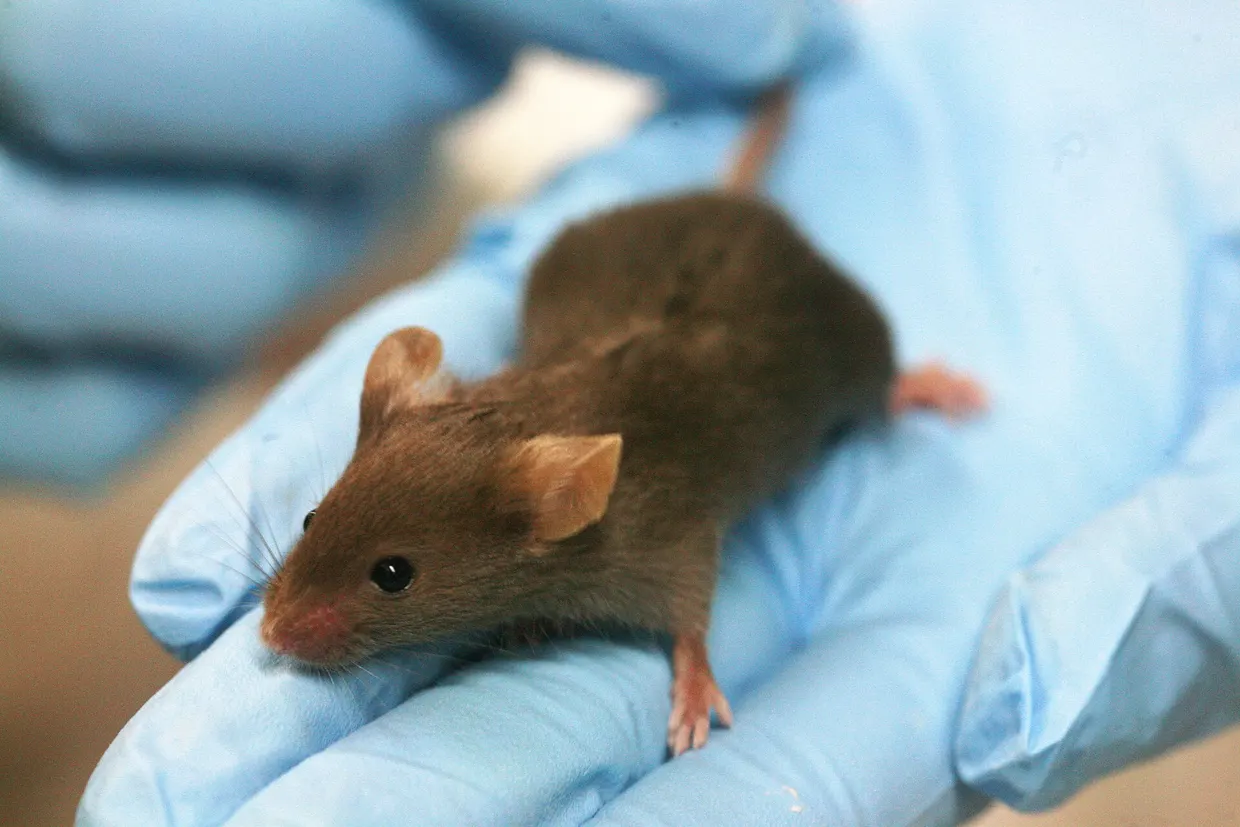
Dietary inulin alters the composition of the gut microbiota and shifts microbial metabolites, driving type 2 inflammation in both the intestine and the respiratory tract of mice. The study, conducted by researchers at Weill Cornell Medicine and the Boyce Thompson Institute, was published in Nature nature.com
Naturenature.comOpen source ↗. Using microbial sequencing and untargeted metabolomics, the authors demonstrated that this metabolic shift elevates bile acids, specifically cholic acid, which directly mediates the inflammatory response across mucosal barrier surfaces.
Microbial bile acid metabolism
After two weeks on an inulin-enriched diet, the mice developed a distinct inflammatory profile characterized by interleukin-33 (IL-33) production, activation of group 2 innate lymphoid cells, and elevated levels of eosinophils in the gut and lungs. Direct administration of cholic acid mimicked the effects produced by inulin. Conversely, the genetic deletion of the bile acid receptor farnesoid X receptor (FXR) substantially diminished these immune alterations.
Allergen and parasite responses
The inflammatory cascade relies strictly on the presence and metabolic functions of the gut microflora. Genetic deletion of a specific bile-acid-metabolizing enzyme in a single bacterial species abolished the capacity of inulin to induce type 2 inflammation. The researchers reproduced these findings in gnotobiotic mice colonized with human-derived microbiota. Functionally, the inulin diet exacerbated allergen-induced airway inflammation in experimental disease models, while simultaneously enhancing host defense mechanisms against parasitic helminths.