Swinburne University researchers test sulforaphane against Friedreich ataxia in lab models
Preclinical experiments show that sulforaphane boosts frataxin levels and protects neurons, opening paths toward clinical trials.
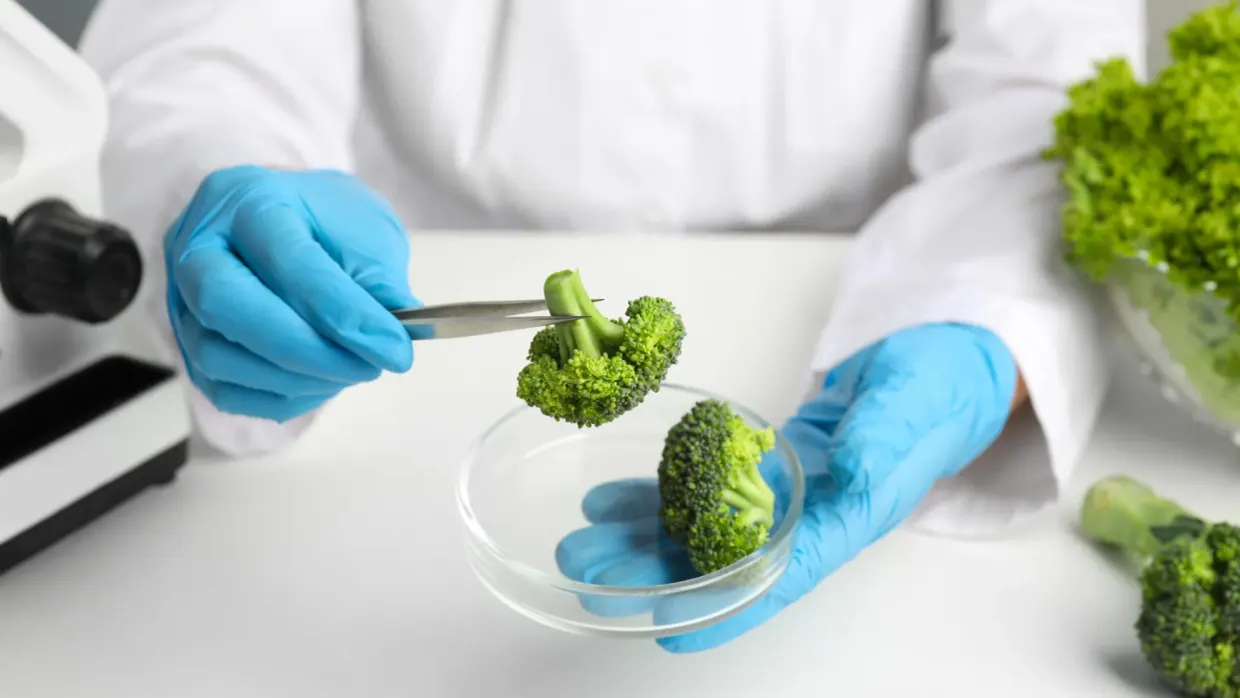
Researchers from Swinburne University of Technology have reported that sulforaphane, a natural compound found in broccoli, increases frataxin levels in preclinical cellular models of Friedreich ataxia, according to sciencedaily.com sciencedaily.com
sciencedaily.comsciencedaily.comOpen source ↗. The neurodegenerative condition progressively destroys nerve cells in the brain and spinal cord, gradually robbing patients of the ability to coordinate movements, walk, and speak. The underlying genetic defect leads to a critical deficiency of frataxin, a protein required for proper cell function and mitochondrial health, while approximately 200 people currently live with the disease in Australia.
Cellular protection and biochemical pathways
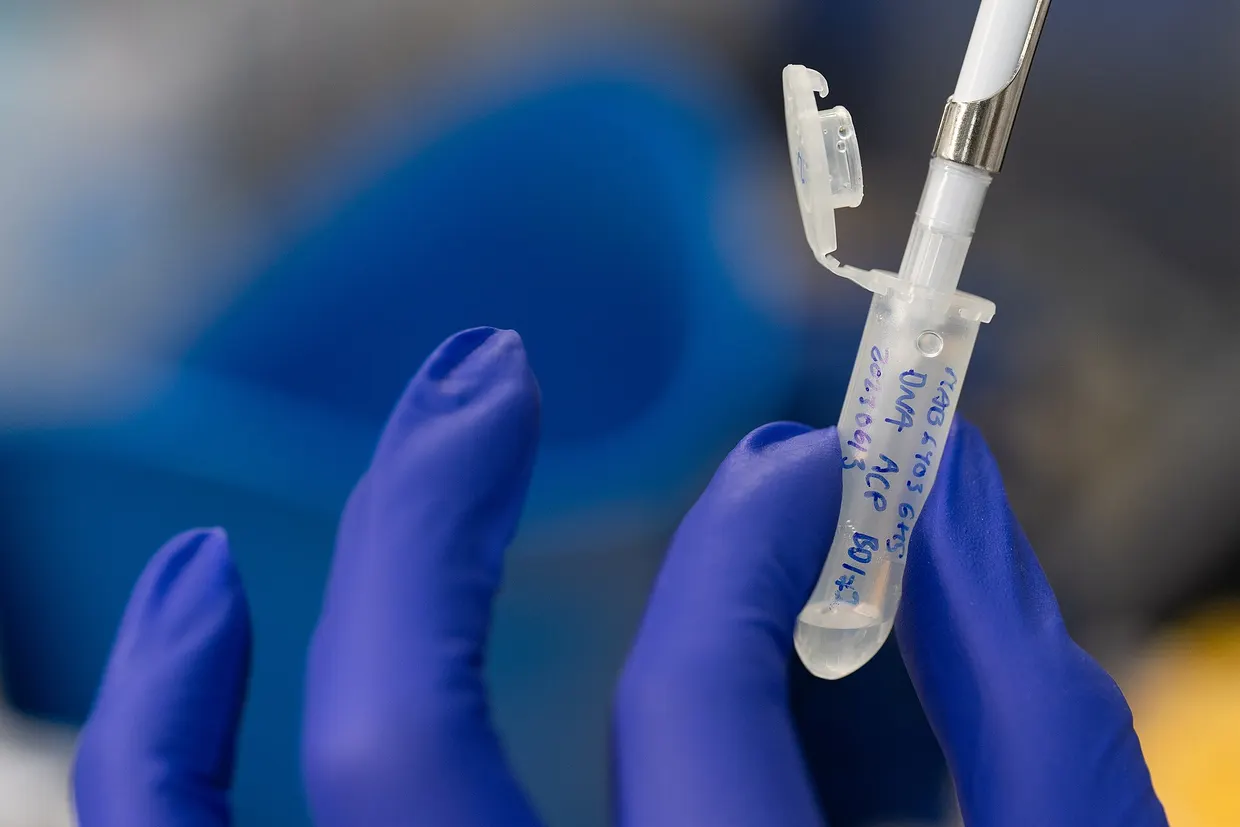
Using sensory neurons derived from induced pluripotent stem cells, the team demonstrated that sulforaphane does more than stimulate frataxin production. The compound also mitigates cellular stress and dampens inflammatory signaling pathways involved in neuronal degeneration. Frataxin plays an essential role in cells with high metabolic and energy demands, and sulforaphane targets multiple pathogenic factors simultaneously, protecting vulnerable neural structures from structural degradation.
Transition to clinical trials
Study lead Faith Kwa pointed out that children represent a significant portion of patients, yet no approved pediatric therapies currently exist for Friedreich ataxia. Purified, biologically active forms of sulforaphane are commercially available, and the substance already possesses an established safety record in both adult and pediatric populations. The university researchers are now seeking funding to organize clinical trials to verify whether these preclinical mechanisms yield therapeutic benefits in human patients.