FLOWPROMOTE Trial: Intensive Lipid Lowering Reduced Coronary Plaque in 104 Patients
A randomized trial in statin-naive patients demonstrated that combining rosuvastatin with ezetimibe cleared more coronary plaque than atorvastatin alone.
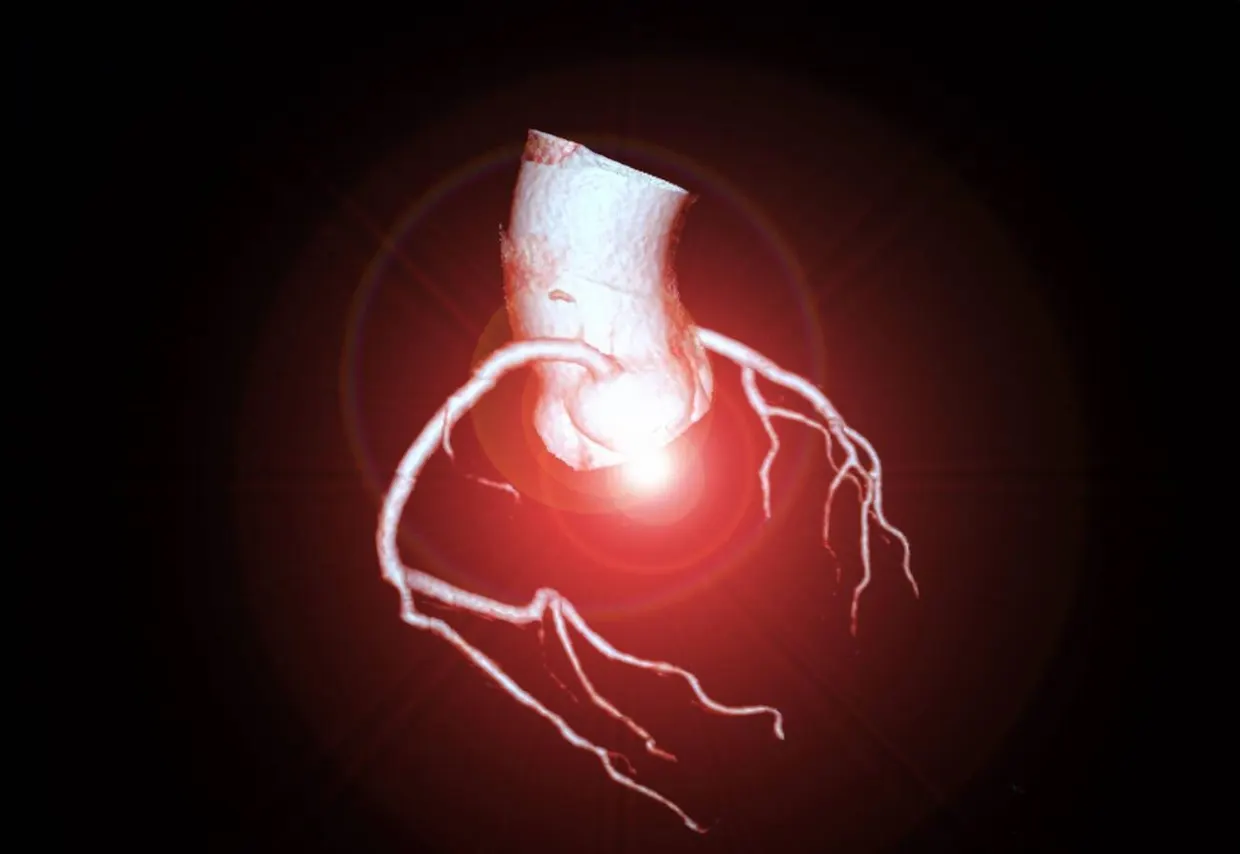
In a randomized clinical trial involving 104 statin-naive adults with stable coronary artery disease, researchers evaluated the effects of intensive versus more intensive lipid-lowering regimens on coronary plaque burden. The results of the secondary imaging analysis from the FLOWPROMOTE trial were published in JAMA Cardiology jamanetwork.com
JAMA Cardiologyjamanetwork.comOpen source ↗.
Participants had newly diagnosed disease with coronary computed tomography angiography (CTA) showing stenosis above 50% and fractional flow reserve CT of 0.80 or lower. The cohort had a mean age of 64 years, and 79% were male. Researchers randomized 52 patients to receive atorvastatin 40 mg daily and 52 patients to receive rosuvastatin 40 mg combined with ezetimibe 10 mg daily for 18 months, tracking arterial modifications via serial CTA scans performed at baseline, 9 months, and 18 months.
Lipid Reductions and Plaque Volume
Over the 18-month intervention, low-density lipoprotein cholesterol (LDL-C) dropped from 119.7 to 69.5 mg/dL (a 38% reduction) in the intensive atorvastatin group, compared with a decline from 127.4 to 42.5 mg/dL (a 65% reduction) in the combination arm. This biochemical disparity aligned with volumetric changes across the entire coronary tree.
Total plaque volume (TPV) fell by 21.1% (-69.8 mm³) with the more intensive therapy versus 13.6% (-39.0 mm³) with atorvastatin alone, reflecting a statistically significant between-group difference of -30.9 mm³ jamanetwork.com
JAMA Cardiologyjamanetwork.comOpen source ↗. Overall, 90% of patients receiving the rosuvastatin-ezetimibe combination showed TPV regression compared with 75% in the monotherapy group.
Noncalcified and Calcified Components
Reductions were driven primarily by alterations in the noncalcified plaque volume (NCPV), which decreased by 28.2% (-82.3 mm³) in the combination cohort compared with 20.0% (-53.5 mm³) in the atorvastatin cohort. Regression of noncalcified plaque was confirmed in 98% of patients on the combined regimen versus 77% on monotherapy.
Calcified plaque volume increased similarly across both trial arms. The authors observed that lower achieved LDL-C values exhibited a linear correlation with greater regression of both total and noncalcified plaque volumes across the whole coronary artery system.