Japanese cohort study links quitting light drinking to lower blood pressure
Researchers analyzed 359,717 checkup visits and found that stopping or starting even light alcohol intake correlates with detectable shifts in blood pressure.
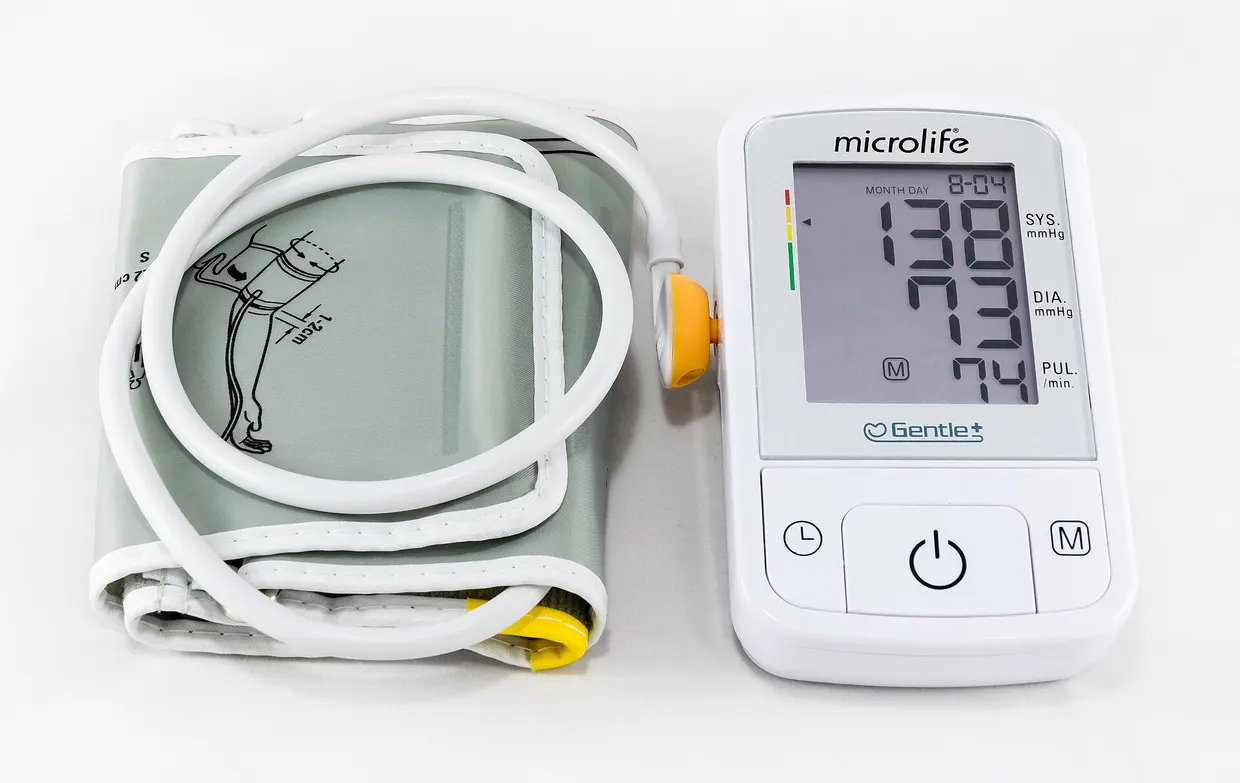
Scientists from St. Luke’s International Hospital and the Institute of Science Tokyo found that quitting even light-to-moderate alcohol consumption is associated with a measurable decrease in blood pressure, while starting drinking leads to an increase. The team published the results of the long-term cohort study in the Journal of the American College of Cardiology sciencedirect.com
Journal of the American College of Cardiologysciencedirect.comOpen source ↗. The analysis was based on records collected between October 2012 and March 2024 from 58,943 adult participants undergoing annual preventive health examinations in Japan, representing 359,717 clinic visits in total.
Impact of cessation
The researchers assessed blood pressure variations across consecutive visits using generalized estimating equations adjusted for age, clinical history, and lifestyle factors. In the study, a standard drink was defined as 10 grams of ethanol. The cessation cohort included 25,621 participants (53,156 visits, median age 50.5 years, 52.1% women). Cessation of 1.0 to 2.0 drinks daily corresponded to a reduction of 0.78 mm Hg in systolic blood pressure (SBP) and 1.14 mm Hg in diastolic blood pressure (DBP) among women. In men quitting the same amount, SBP dropped by 1.03 mm Hg and DBP decreased by 1.62 mm Hg.
At lower intake levels, the statistical outcomes differed. Quitting 0.5 to 1.0 drinks daily in women did not produce a statistically significant decrease in SBP (-0.44 mm Hg), but DBP decreased by 0.41 mm Hg. In men, quitting 0.5 to 1.0 drinks daily did not produce statistically significant shifts in either SBP (-0.27 mm Hg) or DBP (-0.39 mm Hg).
Initiation and beverage types
The initiation cohort evaluated 31,532 participants across 128,552 visits (median age 50.0 years, 70.4% women). Starting alcohol consumption demonstrated dose-dependent blood pressure increases in both sexes sciencedirect.com
Journal of the American College of Cardiologysciencedirect.comOpen source ↗. Subgroup analyses indicated that the direction and magnitude of blood pressure changes were consistent across different types of alcoholic beverages, showing no dependency on whether participants consumed beer, wine, or spirits.