CPAP Therapy Improves Sperm Motility in Men With Obstructive Sleep Apnea
A prospective study reveals obstructive sleep apnea reduces semen quality, while regular CPAP use improves motility within one month.
A prospective clinical study led by researchers at the University of Hong Kong–Shenzhen Hospital evaluated the reproductive markers of men with obstructive sleep apnea (OSA). The investigation involved 72 reproductive-aged men diagnosed with OSA via polysomnography and 22 healthy controls, according to the paper published in Sleep Medicine sciencedirect.com
Sleep Medicinesciencedirect.comOpen source ↗.
Compared to healthy controls, untreated OSA patients showed significantly lower semen volume, as well as lower total and progressive sperm motility. Participants with OSA had roughly 10 percent fewer motile sperm overall and 10 percent fewer sperm capable of swimming forward. Analysis of biological samples revealed elevated concentrations of local seminal inflammatory cytokines—specifically IL-1β, IL-6, IL-10, and IL-17A—without corresponding changes in serum cytokines or erectile function (IIEF-5 scores).
Impact of CPAP Therapy
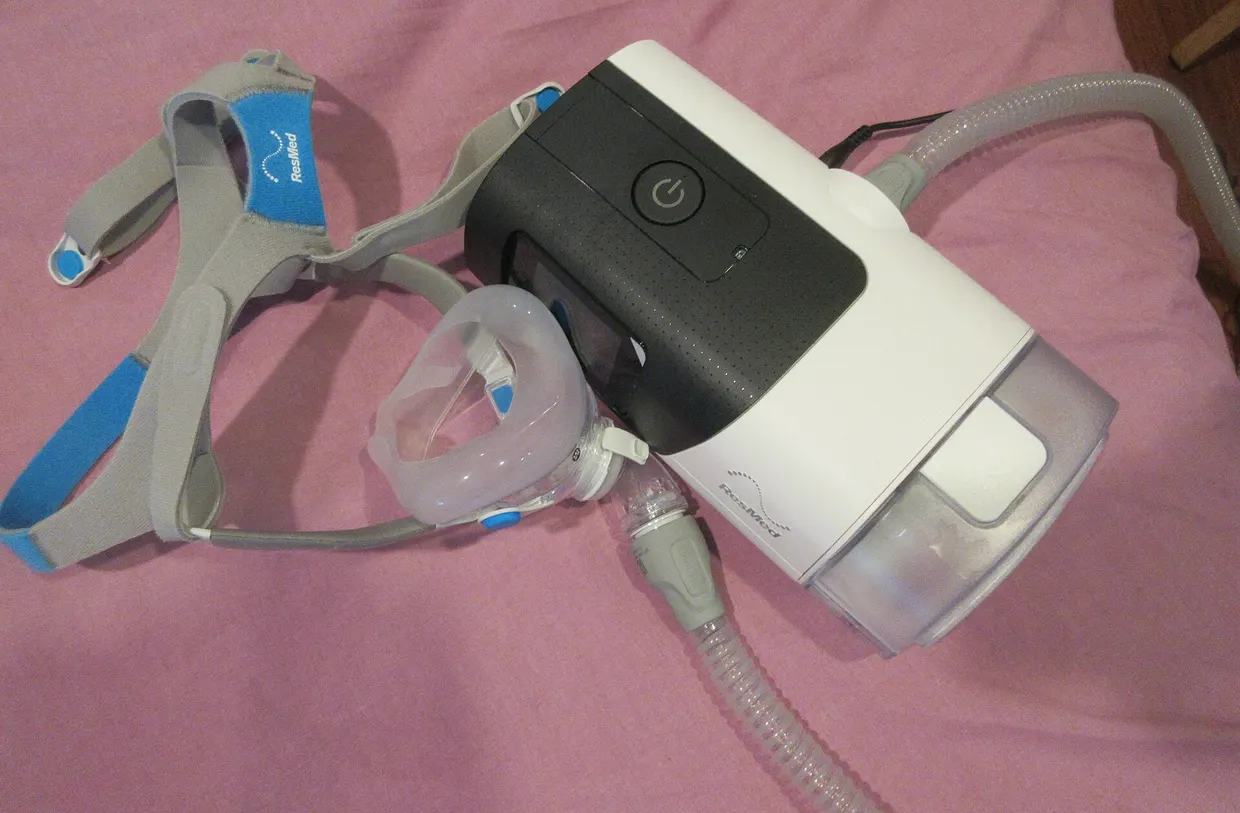
To observe longitudinal effects, researchers tracked participants undergoing continuous positive airway pressure (CPAP) therapy. Among the cohort, 25 adherent participants used the CPAP device regularly for at least four hours per night on five or more nights per week. Adherent patients demonstrated early improvements in progressive sperm motility as early as 1 month post-treatment, with values rising from nearly 40 percent to 45 percent. However, treatment did not produce significant reductions in the elevated seminal cytokine markers during this window.
Long-Term Adherence Challenges
The authors observed that sleep architecture disruption and local seminal inflammation were independently associated with impaired semen parameters sciencedirect.com
Sleep Medicinesciencedirect.comOpen source ↗. Longitudinal assessment faced drop-out constraints: participant numbers fell to 15 men at three months and 8 men at six months. While motility remained above baseline in persisting patients, the authors noted the need for larger trials to evaluate long-term outcomes and detailed mechanisms.