University of Warsaw finds natural proteins tied into 8_3 knots
Researchers identified bacterial proteins with eight chain crossings, confirming predictions made by AlphaFold.
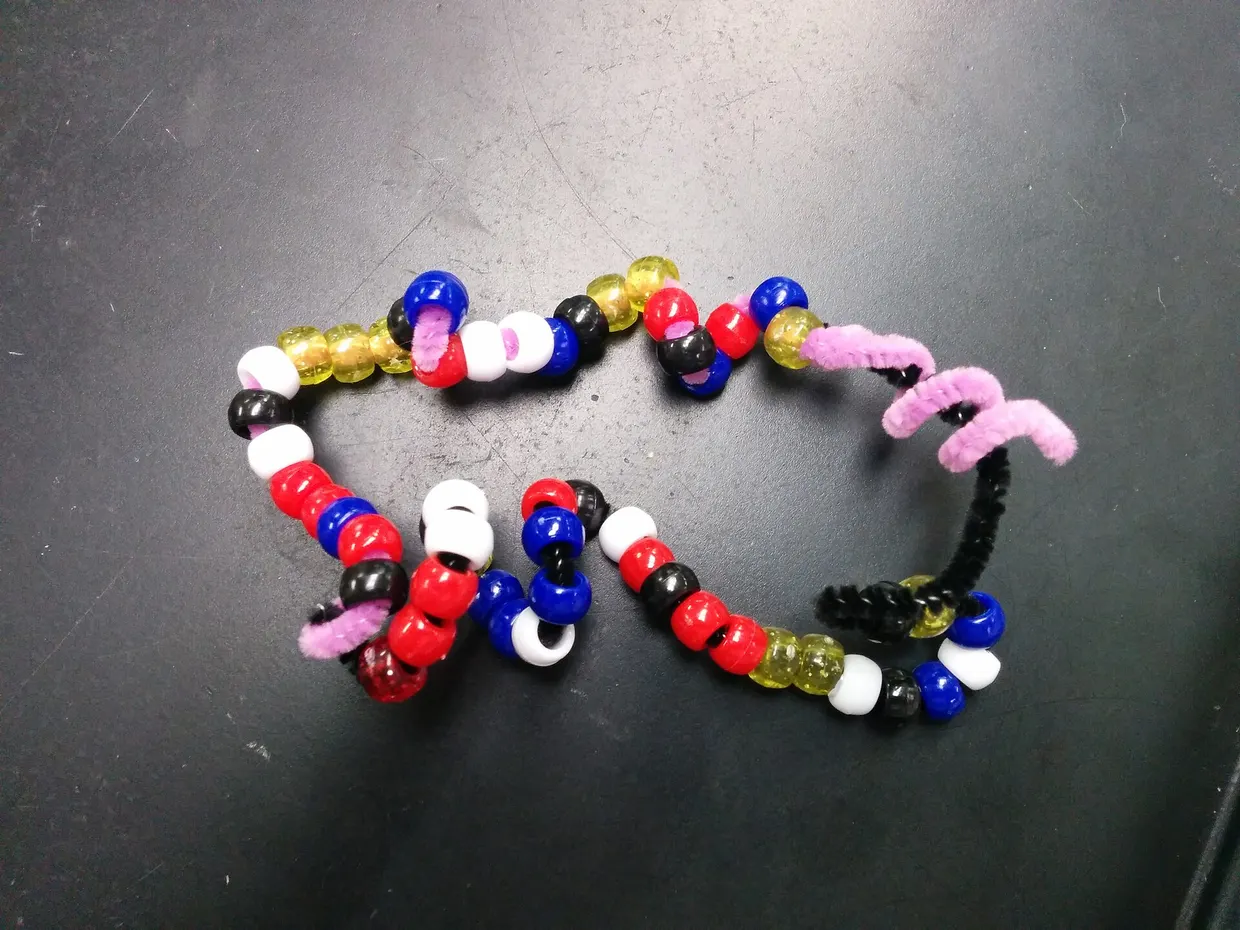
A research team led by Joanna Sułkowska from the Centre of New Technologies at the University of Warsaw confirmed the existence of naturally occurring proteins featuring an 8_3 knot, reporting the findings in PNAS, according to zero zero.pl
zerozero.plOpen source ↗. The structure contains eight chain crossings, making it the most complex knot identified in nature to date. The newly described group of molecules was designated as the EIGHT fold family, an abbreviation for Extraordinarily Intricate Globular Helical Tangled fold.
Knot verification
The existence of this topology was originally calculated by the predictive algorithm AlphaFold. Prior folding hypotheses assumed that such arrangements could not form because they require threading a terminal segment twice, whereas known biological knots rely on a single threading step. Despite earlier theoretical restrictions, the researchers sought the predicted structures in anaerobic bacteria inhabiting the human gut. After isolating the bacteria and producing the target protein, the team experimentally solved its molecular structure, which matched the algorithmic model.
Unfolding kinetics
Laboratory tests demonstrated that untangling this molecular structure proceeds through six separate stages and requires 72 hours. Sułkowska noted that this represents the most intricate unfolding mechanism documented in scientific literature, yet the duration remains within normal biological bounds. Knotted configurations account for 0.4% of known protein types, representing up to 600 thousand varieties across living systems. How ribosomes achieve the required double threading during synthesis remains unobserved.