73.1% of Ghanaian men aged 15–59 have never been tested for HIV, 2022 national survey finds
In the 2022 Ghana Demographic and Health Survey of 7,044 men, 26.9% had ever been tested for HIV; never testing was linked to age, region, education and internet use.
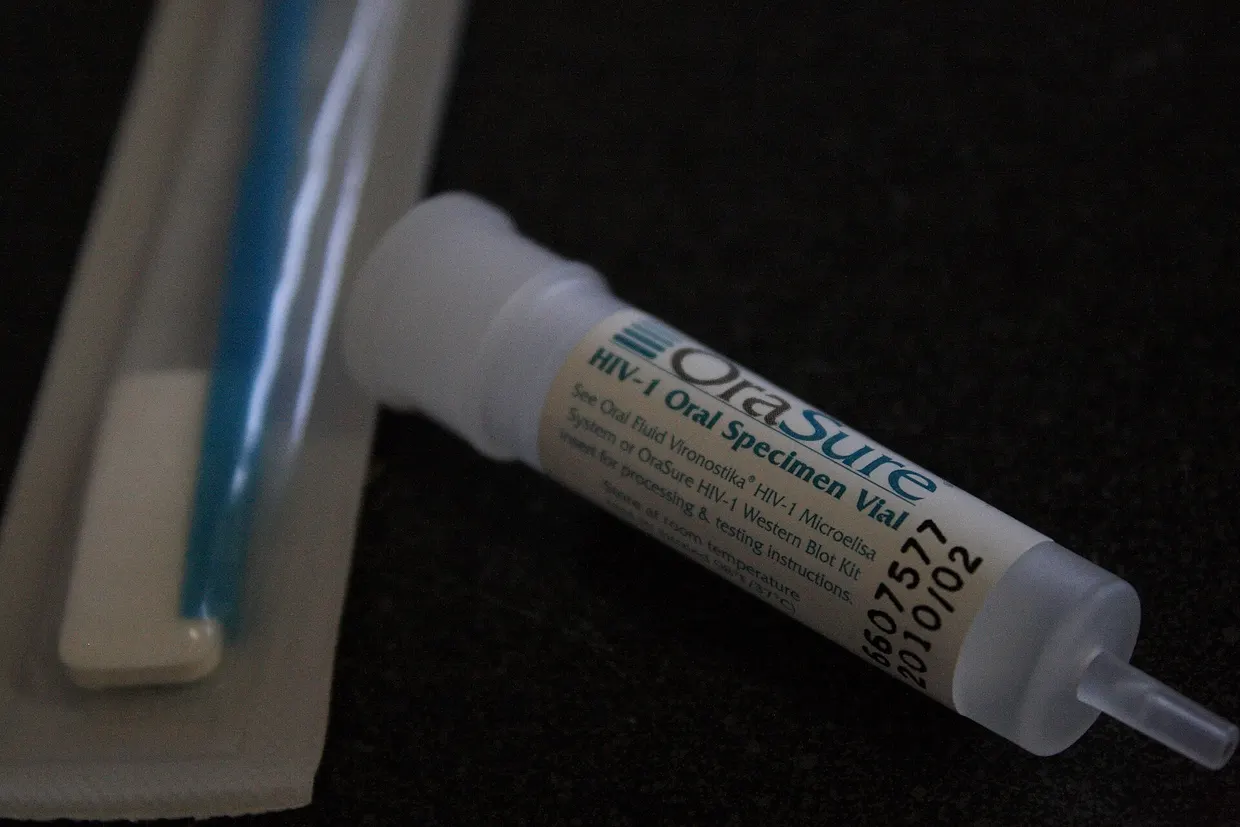
Researchers Addae Boateng Adu-Gyamfi and Anthony Edward Boakye analysed data from the 2022 Ghana Demographic and Health Survey, which covered 7,044 men aged 15–59 years. According to the study (doi.org), 73.1% of respondents (95% CI 71.4–74.7) had never been tested for HIV, while 26.9% (95% CI 25.3–28.6) had been tested at least once biomedcentral.com
doi.orgbiomedcentral.comOpen source ↗. The authors note that many people living with HIV in Ghana do not know their status and that men test less often than women, which delays diagnosis and treatment.
The work is a cross-sectional analysis. The team used sampling weights, clusters and strata to account for the survey design, described the sample with frequency distributions and Rao–Scott adjusted chi-square tests, and then ran a complex-sample multivariable binary logistic regression.
Age and region
Younger men had the highest adjusted odds of never having been tested. For ages 15–19 the AOR was 15.836 (95% CI 9.612–26.090), for 20–24 it was 4.034 (2.615–6.223), and for 25–29 it was 1.787 (1.206–2.649).
Higher odds were also recorded in several regions: Northern (AOR 2.561; 1.612–4.069), North East (2.195; 1.352–3.565), Savannah (2.079; 1.186–3.644), Bono East (1.731; 1.088–2.754), Central (1.718; 1.055–2.799), Bono (1.708; 1.060–2.761) and Oti (1.589; 1.002–2.519) biomedcentral.com
doi.orgbiomedcentral.comOpen source ↗.
Education, literacy and internet use
Men with no formal education had an AOR of 6.207 (3.984–9.669), those with primary education 3.148 (2.076–4.774), and those with secondary education 2.592 (2.047–3.284). Men who reported they could not read at all had an AOR of 1.534 (1.140–2.064), and those able to read only parts of a sentence 1.510 (1.164–1.959). Men who never used the internet had an AOR of 1.932 (1.582–2.360).
Lower odds of never having been tested were found among urban residents (AOR 0.810; 0.663–0.990), Christians (0.576; 0.373–0.889) and Traditionalists or spiritualists (0.448; 0.243–0.826).
The authors report that never having been tested was associated with age, region, residence, education, religion, literacy and internet use. They state that these findings support an integrated approach combining digital health promotion, literacy-sensitive communication, targeted services for younger men and equitable access to testing across rural and regional settings biomedcentral.com
doi.orgbiomedcentral.comOpen source ↗.