Lunar Energy scales its home battery system to 300 kWh using stackable 5 kWh blocks
The Bay Area startup, led by a former Tesla Energy head, plans about 20000 systems of 30 kWh next year and is positioning itself against the Powerwall.

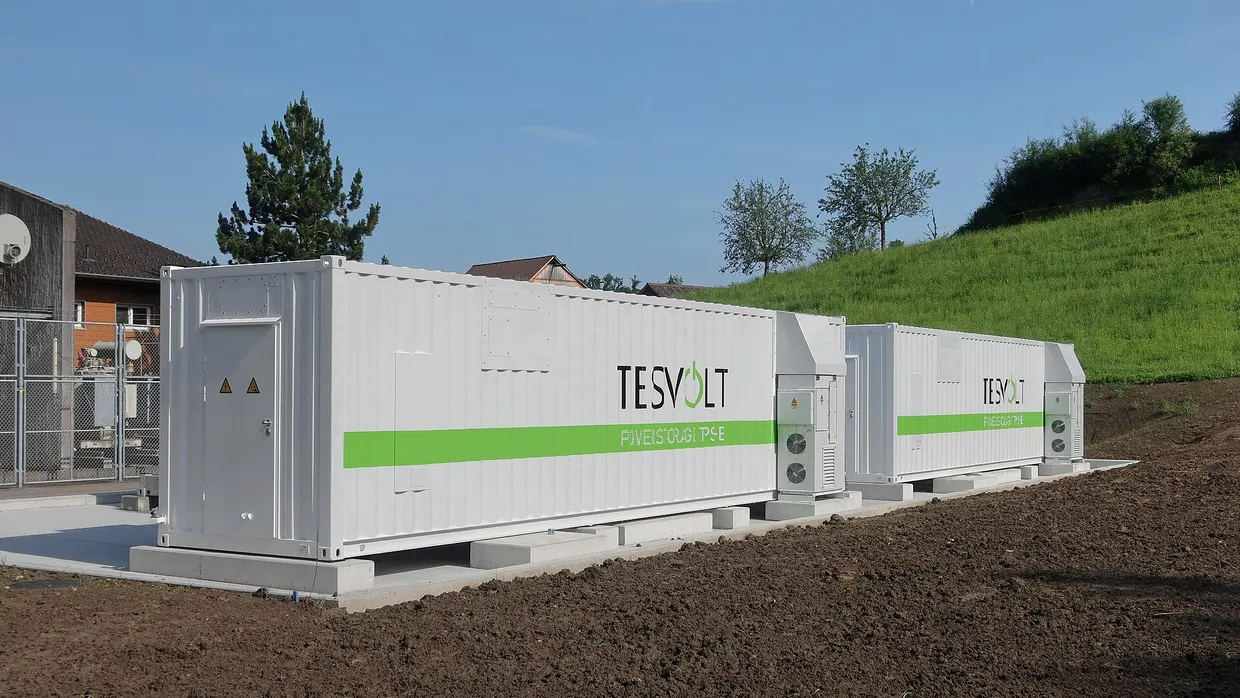
Lunar Energy, a privately held startup from the San Francisco Bay Area, is expanding its home battery system, forbes.es reports. The system is built from stackable 5 kWh blocks and can now scale up to 300 kWh, enough to supply small businesses as well as homes, according to the company forbes.es
forbes.esforbes.esOpen source ↗. The company is headed by founder and CEO Kunal Girotra, who ran Tesla Energy until early 2020.
Lunar says its system is more space-efficient than Tesla's wall-mounted Powerwall packs, on the market since 2015. The batteries use lithium iron phosphate cells, which are less prone to catching fire. The company is also launching a bidirectional EV charger that can power a home during outages, along with software for managing household energy use.
Pricing and distribution
A 5 kWh block costs about 3000 dollars, but the company usually supplies the batteries through monthly leases with Sunrun and Octopus Energy that include maintenance and upgrades. About 5000 homes in California, Texas, Utah and Nevada currently use the technology. According to Girotra, the company is working to be available in all 50 states during the next year.
Production and market
Girotra said the plan for next year is to produce about 20000 systems of 30 kWh, roughly 600 MWh, and to triple that the year after forbes.es
forbes.esforbes.esOpen source ↗. Lunar has raised more than 500 million dollars, including a 232 million dollar round in February that values the company at more than 1000 million dollars.
The company sees demand in virtual power plants, where electricity stored in customers' batteries is shared with the grid. Voltus announced plans last month to supply Google with 1 GW from distributed energy systems, and Sunrun says it can make up to 16 GW available to the US grid together with Renew Home and Tesla.
The Trump administration removed many federal incentives for residential clean energy, but commercial demand for batteries, driven by data centers, is at a peak. The US installed a record 20.2 GWh of storage capacity in the second quarter of 2026, bringing first-half installations to almost 31 GWh, according to a report by the Solar Energy Industries Association and Benchmark Mineral Intelligence. The residential share of that market will probably reach 3900 million dollars this year. Tesla's energy revenue fell 6% to 8400 million dollars in the first three quarters of the year.