Python of 7.22 m and 96.5 kg measured in Sulawesi, Indonesia, as the longest documented wild snake
A female python named Ibu Baron was measured with a surveyor's tape on 18 January; it is the longest documented wild snake, with Guinness World Records describing the procedure.
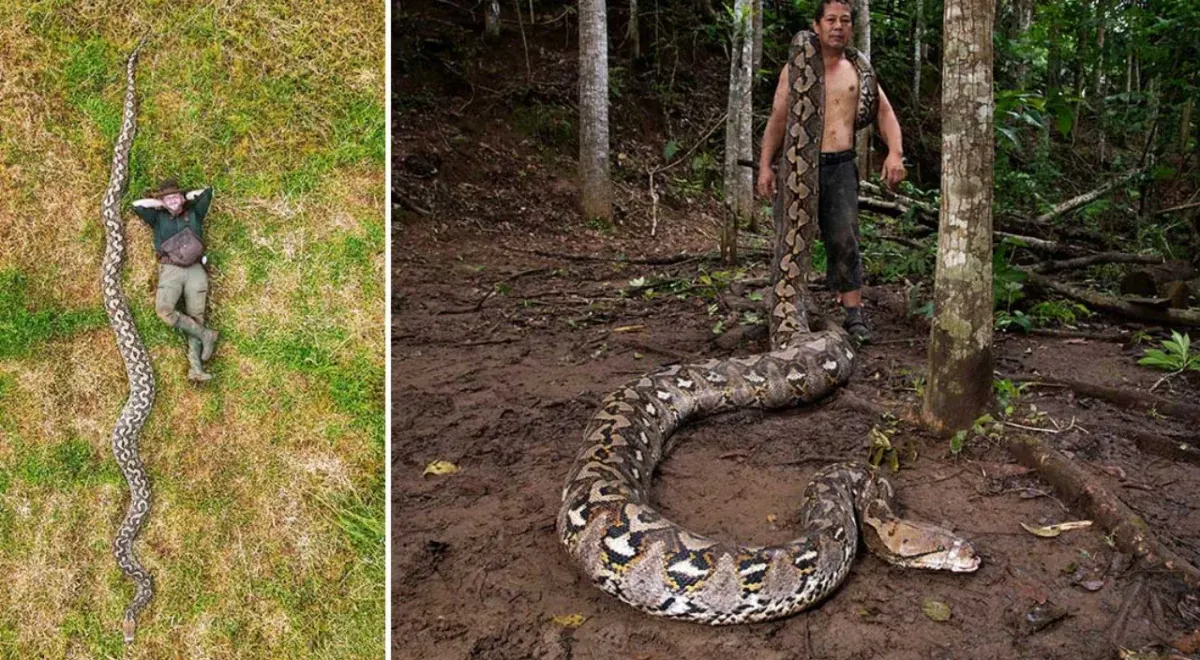
On 18 January, experts in Sulawesi, Indonesia, measured a female python nicknamed Ibu Baron at 7.22 metres and weighed her at 96.5 kilograms, according to science-et-vie.com. The snake is officially recognised as the longest wild snake documented under rigorous criteria science-et-vie.com
science-et-vie.comscience-et-vie.comOpen source ↗. The length was taken with a surveyor's tape that follows the curves of the body, and the weight on scales normally used for sacks of rice.
How the length of a snake is measured
A python's body consists of hundreds of vertebrae linked by compressible cartilaginous discs. The distance from head to tail therefore changes slightly with posture and muscle activity. Each figure corresponds to a specific moment in the life of a moving animal.
Anesthesia was ruled out. A fully relaxed snake could show a length 10 to 15% greater, but sedating an animal is justified only for medical or safety reasons. Guinness World Records describes the procedure in detail in its article on Ibu Baron.
Larger individuals have been reported over the decades, notably in Indonesia and Malaysia, but few were measured and recorded with comparable precision science-et-vie.com
science-et-vie.comscience-et-vie.comOpen source ↗. The longest snake in captivity remains Medusa, a reticulated python measured at 7.67 metres in Missouri in 2011.
Why modern snakes stay smaller than fossil ones
Titanoboa cerrejonensis, described from Colombian fossils 58 to 60 million years old, is estimated at 13 to 15 metres and more than a tonne. Vasuki indicus, known from vertebrae found in India, has an estimate of 10.9 to 15.2 metres. Against these extinct snakes, the current record shows that present-day climatic and ecological conditions set much stricter limits.
A large python must catch sizeable prey to maintain its muscle mass, and its energy needs grow with size, which makes exceptional individuals rarer. IFLScience reports that local guides see more encounters between pythons and residents as natural prey such as wild boar decline. These encounters often end with the snake being killed.
Some specialists consider individuals of nearly nine metres plausible in remote parts of Southeast Asia. There is no guarantee, however, that researchers will be able to measure them science-et-vie.com
science-et-vie.comscience-et-vie.comOpen source ↗.