Vanderbilt-Ingram builds transcriptomic atlas of 7,600 breast tumors from 22 studies
Vanderbilt-Ingram researchers merged RNA data from over 7,600 breast tumors into one map of subtypes; whether it improves treatment choice is yet to be tested prospectively.
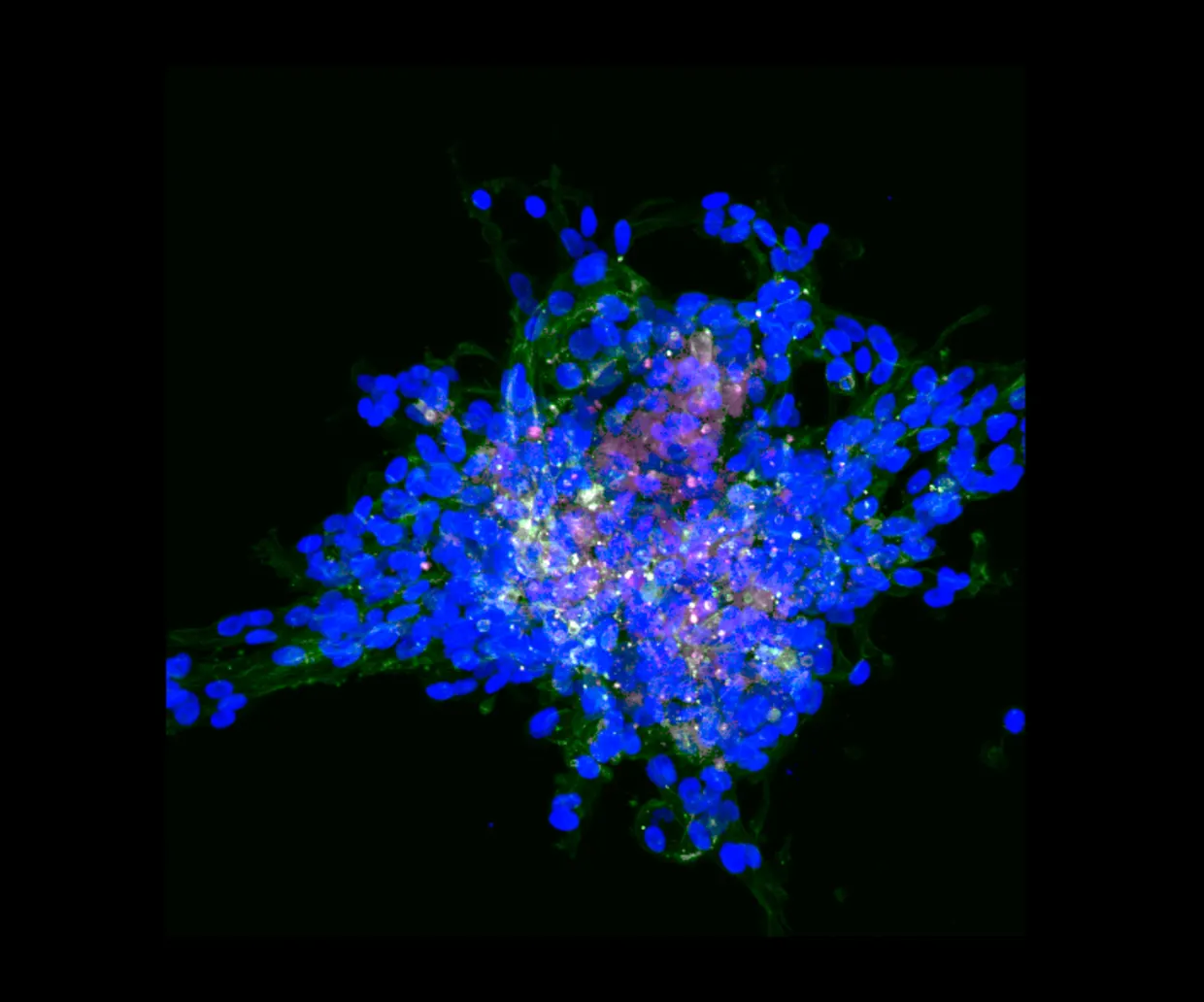
Researchers at Vanderbilt-Ingram Cancer Center have assembled one of the largest transcriptomic maps of breast cancer, integrating data from more than 7,600 tumors across 22 independent studies, according to eurekalert.org. The study was published on Nov. 3 in Cell Reports Medicine. eurekalert.org
eurekalert.orgeurekalert.orgOpen source ↗ The transcriptome is the complete set of RNA molecules produced by a tumor; it reflects gene expression and other molecular characteristics.
The authors say the atlas provides a foundation for selecting treatment by a tumor's molecular characteristics rather than by standard pathology alone.
Limits of current classification
Breast cancer is traditionally classified and treated by the presence or absence of hormone receptors (estrogen, progesterone) and HER2. Transcriptomic profiling has defined some molecular subtypes, but clinical responses within the same subtype vary, and other subtypes noted by pathologists remain undefined.
The work builds on earlier studies by Brian Lehmann and Jennifer Pietenpol on subtypes of triple-negative breast cancer. Those studies showed that the subtypes differ in sensitivity to therapeutic agents, and the findings have guided clinical trials of targeted treatments. In the new study the approach was extended to all types of breast cancer. eurekalert.org
eurekalert.orgeurekalert.orgOpen source ↗
Method and results
Comparing datasets from different studies, sequencing platforms and analytical methods has been a long-standing difficulty in cancer genomics. To overcome it, the team adapted computational approaches originally developed for single-cell genomics and integrated thousands of tumor transcriptomes into one analytical framework.
The resulting atlas groups tumors into interconnected clusters that share molecular features, treatment responses and clinical outcomes. Visualized as a map, it resembles an archipelago, with related tumor populations forming separate islands. According to Lehmann, the analysis revealed previously hidden forms of breast cancer that differ in prognosis, biology and treatment sensitivity, including patient groups with poor outcomes that current classifications do not routinely recognize.
The researchers also created a tool that assigns tumors to subtypes using standard bulk RNA sequencing data, intended for future studies and clinical trials. eurekalert.org
eurekalert.orgeurekalert.orgOpen source ↗
The authors say the next step is prospective testing to determine whether treatment decisions guided by these transcriptional subtypes improve patient outcomes. They add that the approach could also be used to integrate transcriptomic, proteomic and other large molecular datasets in other diseases. The first author is Xin Sun.