Granzyme K enzyme found to worsen age-related liver, kidney and heart damage in mice
Authors of a mouse study in Immunity report that granzyme K damages organ tissue directly and does not drive the age-related decline of immunity.
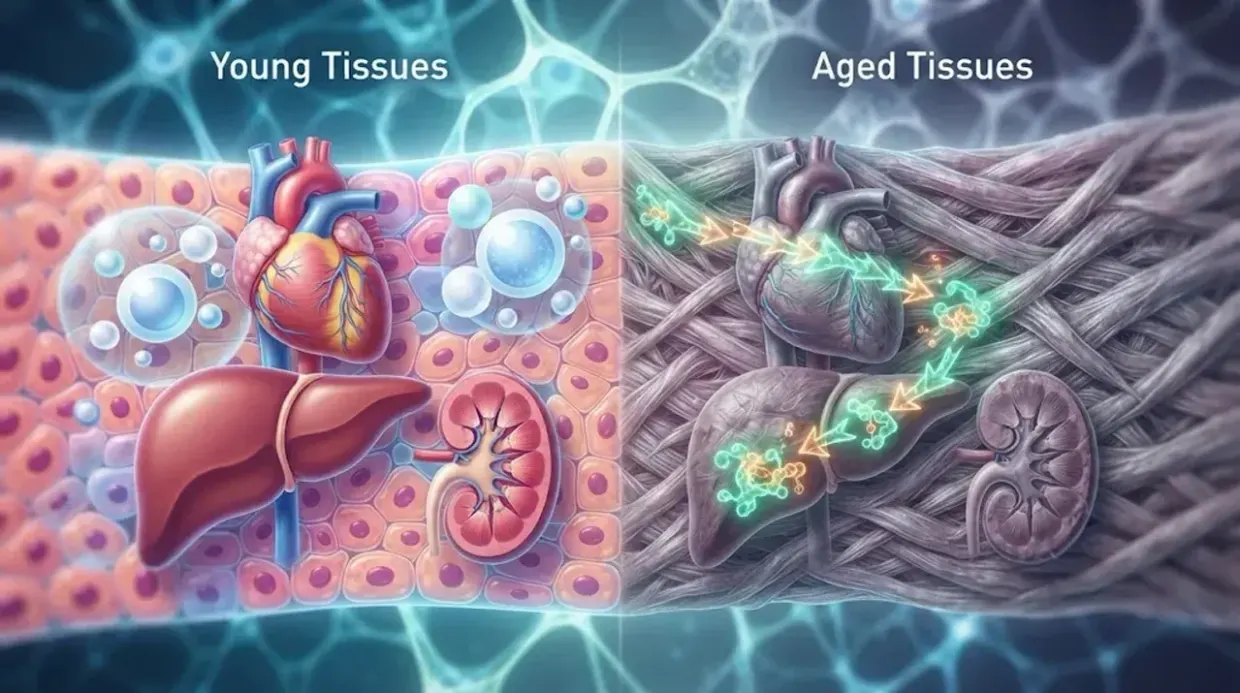
Researchers have identified granzyme K, an enzyme that intensifies age-related damage to the liver, kidneys and heart, zamin.uz reports. The results were published in the journal Immunity. zamin.uz
zamin.uzzamin.uzOpen source ↗ The experiments were carried out on mice: genetically modified animals that lack the protein, and ordinary aged mice.
Aging organs and the immune system
Biological aging affects all body systems. Tissues gradually lose the ability to recover, cellular damage accumulates in them, and chronic inflammation develops.
Until now, specialists considered age-related changes in internal organs and aging of the immune system to be closely linked. With age, immune cells work more slowly but release more substances that amplify inflammation. Granzyme K is one of them. Biologists already knew that its concentration rises markedly in aged mice and in humans, but its exact function remained unknown.
Results in mice without granzyme K
The researchers used genetically modified mice that had no granzyme K from birth. In both groups, the modified and the ordinary aged mice, the ability to fight infections and tumors weakened to the same degree. zamin.uz
zamin.uzzamin.uzOpen source ↗
In mice without the protein, age-related fibrosis (scarring) was markedly reduced. Liver damage was lower, the heart kept its normal thickness, and the amount of harmful proteins in the kidneys decreased.
The authors concluded that granzyme K directly destroys the tissue of internal organs and makes it harder, but does not directly affect the age-related weakening of immunity. According to them, the aging of organs and the decline of immunity can thus be separated at the biological level.
The authors note that the protein now offers a defined target for study. In their view, if drugs that block its activity in adults were developed, physicians might be able to protect the heart, kidneys and liver from age-related degeneration and fibrosis. Applying these results to humans fully, however, would require additional large-scale clinical studies. zamin.uz
zamin.uzzamin.uzOpen source ↗