Hebei University hospital: RCD-high macrophage state found in mouse stroke data, 367 patients studied
Authors combined a retrospective cohort of 367 stroke patients with public mouse transcriptomic data and described a macrophage state combining cell-death, phagocytic and metabolic programs.
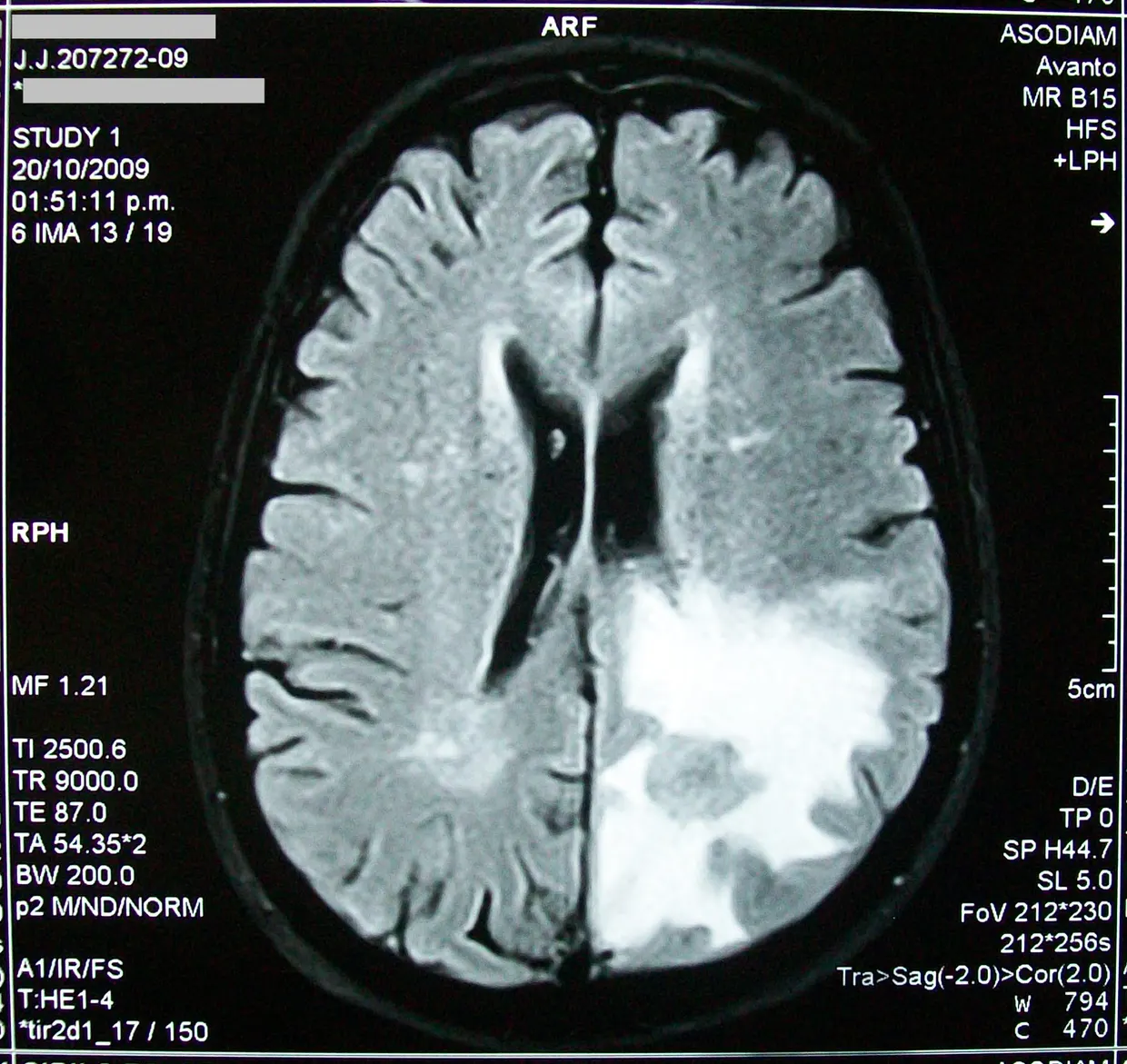
Researchers at the Affiliated Hospital of Hebei University analyzed 367 patients with anterior-circulation acute ischemic stroke together with public mouse transcriptomic datasets. In Frontiers in Cell and Developmental Biology they report a distinct inflammatory macrophage state with high expression of regulated cell death (RCD) genes after cerebral ischemia frontiersin.org
Frontiers in Cell and Developmental Biologyfrontiersin.orgOpen source ↗. The patients were presented within 24 hours of symptom onset or last-known-well time and were split into an earlier admission cohort (216) and a later one (151).
Clinical cohort: inflammation markers and outcomes
Early neurological deterioration (END), defined as a rise of at least 4 points on the NIHSS or death within 72 hours, occurred in 51 patients (13.9%). Unfavorable 90-day outcomes (modified Rankin Scale 3 to 6) were seen in 127 patients (34.6%).
In unadjusted comparisons, patients with unfavorable outcomes had a median NIHSS score of 13.0 versus 8.0, a median admission neutrophil-to-lymphocyte ratio of 4.0 versus 3.6, and median C-reactive protein of 7.6 versus 5.7 mg/L. They were also older (71.0 versus 66.2 years), and proximal large-vessel occlusion was more frequent (71.7% versus 41.2%). Patients who developed END had a ratio of 4.1 versus 3.6 and C-reactive protein of 7.4 versus 6.1 mg/L.
Mouse data: the RCD-high macrophage state
The molecular part used single-cell, single-nucleus, bulk and 10x Visium spatial datasets from mouse models of permanent and transient middle cerebral artery occlusion (GSE174574 and GSE233815) frontiersin.org
Frontiers in Cell and Developmental Biologyfrontiersin.orgOpen source ↗. Integrated analysis resolved 22 clusters annotated into 18 major cell classes. Myeloid and glial compartments carried a disproportionate share of post-ischemic transcriptional change, including upregulated NF-κB-mediated TNF signaling, apoptotic, complement, hypoxia, reactive oxygen species and glycolytic programs.
The RCD-high macrophage state showed coordinated expression of inflammasome and pyroptosis-associated genes (Nlrp3, Pycard, Casp1, Gsdmd, Il1b) and phagocytic markers (Cd68, Mertk, Ctsb). According to the authors, it was concentrated at later inferred myeloid pseudotime, carried NF-κB/STAT-associated regulatory programs and metabolic remodeling, and had extensive predicted interactions with glial and vascular cells.
Spatial mapping showed localized signals of this state in post-ischemic brain tissue, with partially overlapping distributions across related myeloid states. The clinical data come from patients, while the cellular and spatial findings come from mouse datasets; the work is observational.