Treosulfan conditioning linked to lower thyroid dysfunction than busulfan in 637 pediatric HSCT survivors
In a retrospective study of 637 pediatric HSCT survivors, the 20-year incidence of thyroid function disorders was 21% after treosulfan, 35% after busulfan and 54% after TBI.
Researchers at three referral centers reported in Frontiers in Endocrinology a retrospective observational study of 637 pediatric survivors of hematopoietic stem cell transplantation (HSCT). The patients were transplanted between 1999 and 2023. Conditioning was based on total body irradiation (TBI) in 40% of cases, busulfan in 32%, treosulfan in 18% and other regimens in 10%. Mean follow-up was 11.0 ± 6.4 years. frontiersin.org
Frontiers in Endocrinologyfrontiersin.orgOpen source ↗
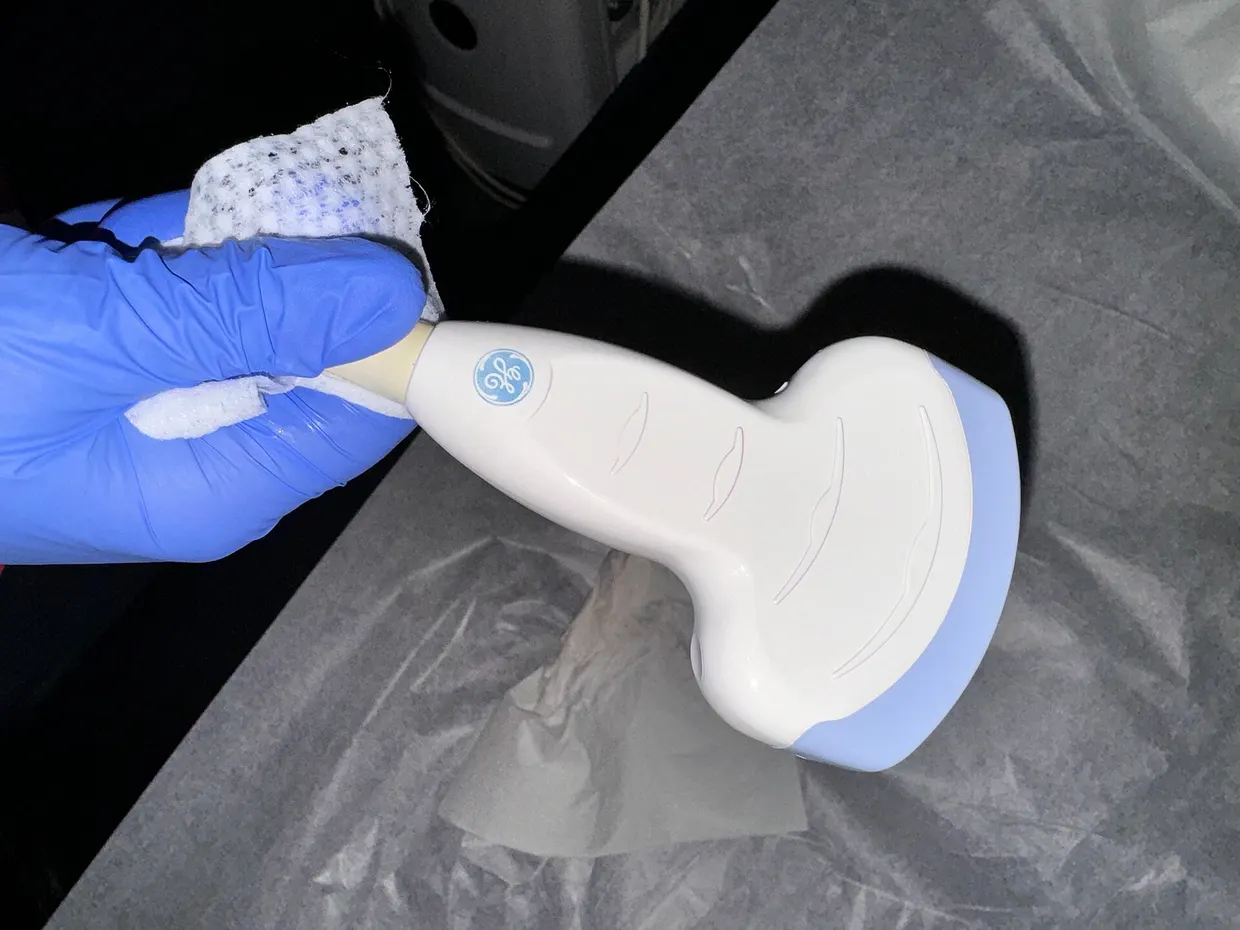
The authors set out to quantify the cumulative incidence of thyroid late effects, to identify independent risk determinants, to assess the role of chemo-only conditioning and to describe thyroid volume over time. TBI is an established risk factor for thyroid disorders, while the toxicity of alkylating agent-based regimens had been poorly characterized. Surveillance included thyroid function tests and ultrasound every 6–12 months.
Thyroid function disorders by conditioning regimen
The 20-year cumulative incidence reached 43.1% for thyroid function disorders (TFD) and 71.2% for thyroid nodules. For TFD it was 54% after TBI, 35% after busulfan and 21% after treosulfan (p=0.026). The incidence was statistically lower after treosulfan than after busulfan (p=0.039).
In multivariate analysis, with treosulfan as the reference, TBI carried an increased risk of TFD (HR 2.39, p=0.006). Busulfan showed an HR of 1.77 (p=0.08). frontiersin.org
Frontiers in Endocrinologyfrontiersin.orgOpen source ↗
Ultrasound findings and risk determinants
The 18-year cumulative incidence of thyroid nodules after TBI clearly exceeded that after chemo-only regimens. Treosulfan and busulfan showed comparable trends (p 0.82).
The Z-score of the right lobe anteroposterior diameter (RLD) served as an indirect indicator of thyroid volume. Over the follow-up, RLD Z-scores were significantly greater after treosulfan than after busulfan (p=0.002) and after TBI (p<0.001).
Independent determinants of the need for hormonal replacement therapy were age under 10 years at HSCT (p=0.013), severe graft versus host disease (p=0.036), TBI (p=0.05) and elevated BMI (p=0.04). frontiersin.org
Frontiers in Endocrinologyfrontiersin.orgOpen source ↗
The authors conclude that treosulfan-based conditioning was associated with the lowest cumulative functional thyroid morbidity and the most favorable volumetric profile among the myeloablative regimens studied. The study is retrospective and observational, so the findings describe associations.