Compacted bentonite suppressed bacteria in an 8.5-year test at the Mont Terri rock laboratory
Researchers from EPFL and Nagra found that bacterial counts were lower in denser bentonite. They suggest repositories for spent nuclear fuel may need less clay than assumed.
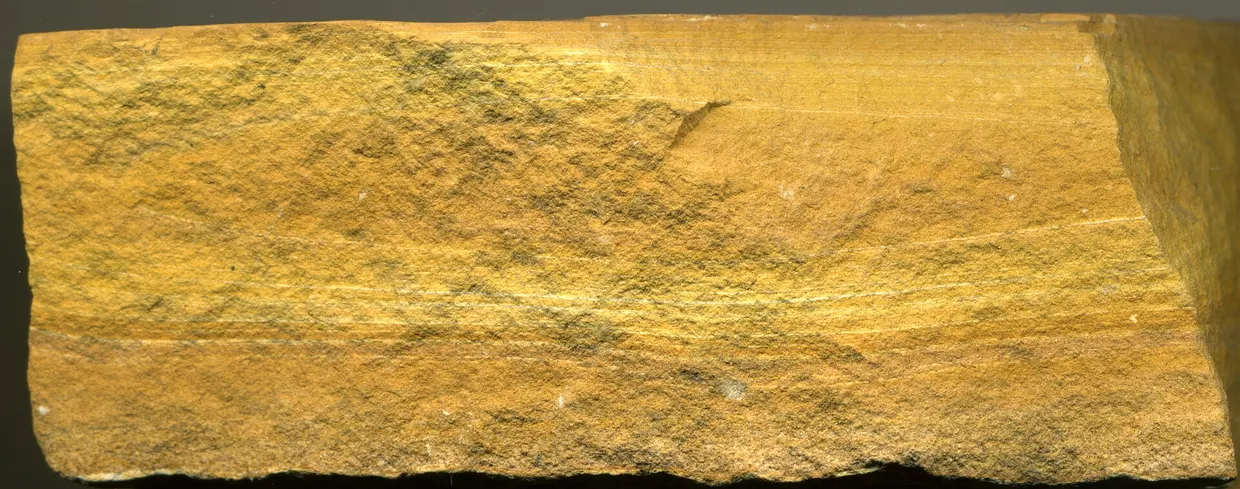
Researchers from the Swiss Federal Institute of Technology in Lausanne (EPFL) and the Swiss radioactive waste organisation Nagra report that compacted bentonite, a natural clay rock, inhibits the growth of bacteria that can accelerate corrosion of radioactive waste containers, according to Nauka w Polsce. The experiment was carried out in the Mont Terri underground rock laboratory in the canton of Jura, and the results were published in Applied Clay Science. Dr Natalia Jakus from EPFL, a Polish researcher, took part in the work. naukawpolsce.pl
Nauka w Polscenaukawpolsce.plOpen source ↗
Bentonite as a barrier in deep repositories
Deep geological repositories are designed to hold steel containers with high-level waste several hundred metres underground, surrounded by layers of insulating material. Bentonite is one such material: on contact with water it swells, fills the free space around the containers and forms a tight barrier. According to Jakus, it can also retain radioactive substances if they were ever released, for example after container damage.
Sulfate-reducing bacteria living deep underground can, under certain conditions, speed up steel corrosion by producing compounds that attack the metal. Jakus noted that in repositories the microbial contribution is relatively small compared with non-biological processes, but must still be considered because repositories are meant to stay safe for hundreds of thousands of years.
What the experiment showed
Steel cylinders filled with bentonite at three different compaction levels were placed in a research borehole at Mont Terri. Samples were taken after 1.5 years and after 5.5 years, and the material was analysed after 8.5 years. The researchers studied microbial DNA to determine abundance and species composition, and also cultured the microorganisms in the laboratory to check whether they were still viable. naukawpolsce.pl
Nauka w Polscenaukawpolsce.plOpen source ↗
Bacterial numbers generally decreased over time, and the denser the bentonite, the fewer bacteria were detected. Even at the lowest compaction, no lasting increase in microbial abundance was observed. Jakus said this suggests that a smaller amount of bentonite than previously assumed may be enough for an effective biological barrier, which could help in designing repositories and optimising their cost.
Some bacteria nevertheless remained viable: when given suitable conditions and nutrients in the laboratory, they multiplied again, although their growth inside the bentonite was suppressed. The authors explain that the swelling clay limits the space available to microorganisms and restricts their access to water and nutrients. Jakus cautioned that if rock fractures opened larger spaces, dormant bacteria could become active again; bentonite's ability to self-seal fissures may limit the effects of such fractures.