Icarus Robotics to hand NASA its Joy robot in 2027 for a year of ISS maintenance work
Icarus Robotics, an 11-person New York startup, plans to deliver the Joy robot to NASA in early 2027 for about a year of routine maintenance tasks on the ISS.
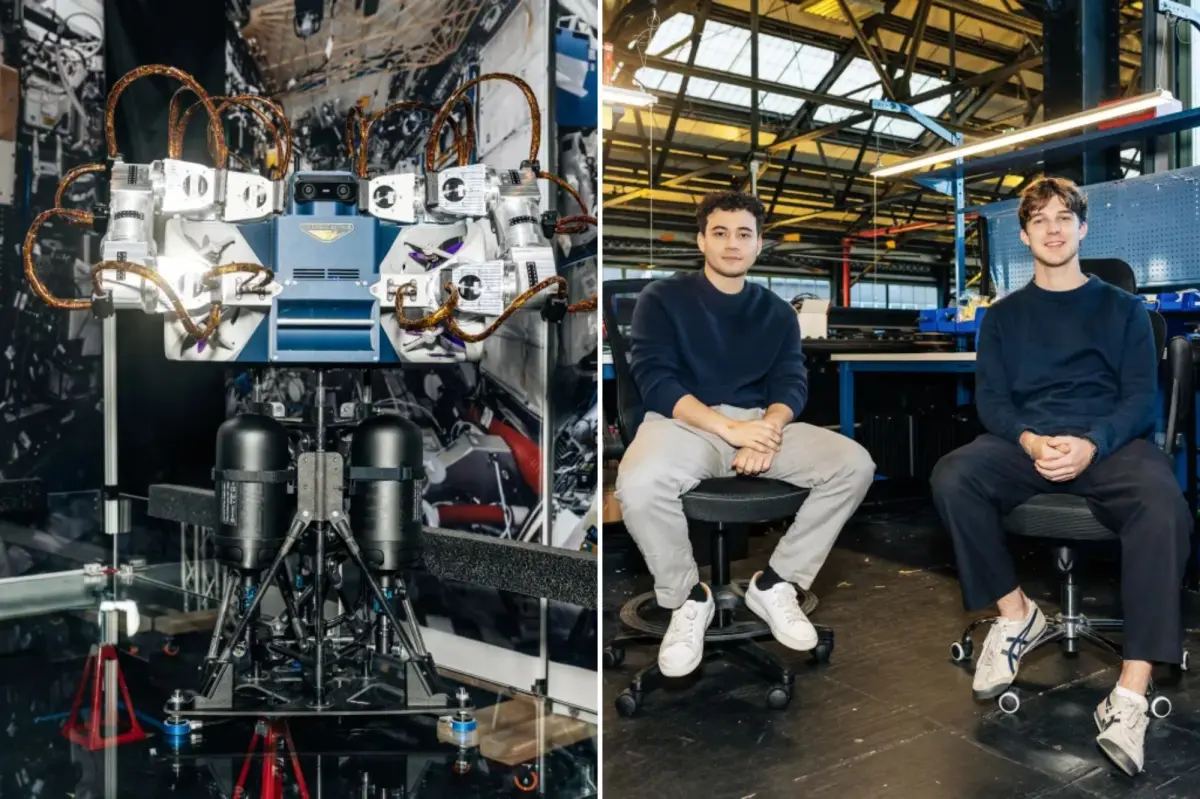
Icarus Robotics, a company of 11 people, plans to hand its robot Joy to NASA in the first months of 2027, according to lomazoma.com lomazoma.com
lomazoma.comlomazoma.comOpen source ↗. The company was founded in 2024 by Jamie Palmer (26) and Ethan Barajas (23) at Newlab, an innovation center and hardware workspace in the Brooklyn Navy Yard
lomazoma.com
lomazoma.comlomazoma.comOpen source ↗. By spring, Joy is to fly to the International Space Station on a cargo vehicle at about 27,000 km/h and spend roughly twelve months on routine maintenance and inspections normally done by astronauts
lomazoma.com
lomazoma.comlomazoma.comOpen source ↗.
Icarus builds robots meant to take over manual and simple tasks that fill many of the crew's waking hours. Barajas named taking out trash, checking seals and moving bags as examples and said the company intends to automate them lomazoma.com
lomazoma.comlomazoma.comOpen source ↗.
Why ISS maintenance is a target for automation
The ISS was launched in 1998, and people have always maintained it. In 2021 NASA estimated that supporting each astronaut aboard costs $133,000 per hour lomazoma.com
lomazoma.comlomazoma.comOpen source ↗. When NASA added a fourth astronaut to the ISS crew in 2025, the number of experiments the crew could run doubled
lomazoma.com
lomazoma.comlomazoma.comOpen source ↗. Freeing even a few hours a day, the founders argue, would expand research capacity.
NASA has worked with robotic systems before, including Robonaut and Astrobee. According to the material, Joy differs from them in having more dexterity for human-like work and in learning and improving over time lomazoma.com
lomazoma.comlomazoma.comOpen source ↗.
Joy: testing, teleoperation and plans
The team could not fully reproduce space conditions. Most tests took place at Newlab on a purpose-built table designed to remove mechanical friction and imitate ISS microgravity. For further experiments, Joy was carried on a Falcon 20 aircraft that dived into free fall, giving about 20 seconds of near-weightlessness each time lomazoma.com
lomazoma.comlomazoma.comOpen source ↗.
Joy will reach the station through a commercial partner of the kind SpaceX represents. In orbit, its time will be split into weekly blocks among partners including NASA and NYU. The founders estimate about six hours of work a day, including one hour for setup and one for teardown lomazoma.com
lomazoma.comlomazoma.comOpen source ↗.
On the first mission a human teleoperator on Earth will control Joy. The operator uses a large display, 3D glasses, two robotic arms and foot pads, and Joy repeats the movements in real time. The robot will record them as data. The founders say that over time Joy will handle standard operations, such as unloading cargo bags or routine repairs, fully autonomously. Later missions may include repairs outside the station and, as the founders hope, new construction lomazoma.com
lomazoma.comlomazoma.comOpen source ↗.
"Joy is just the beginning of what we are building," Palmer said lomazoma.com
lomazoma.comlomazoma.comOpen source ↗.