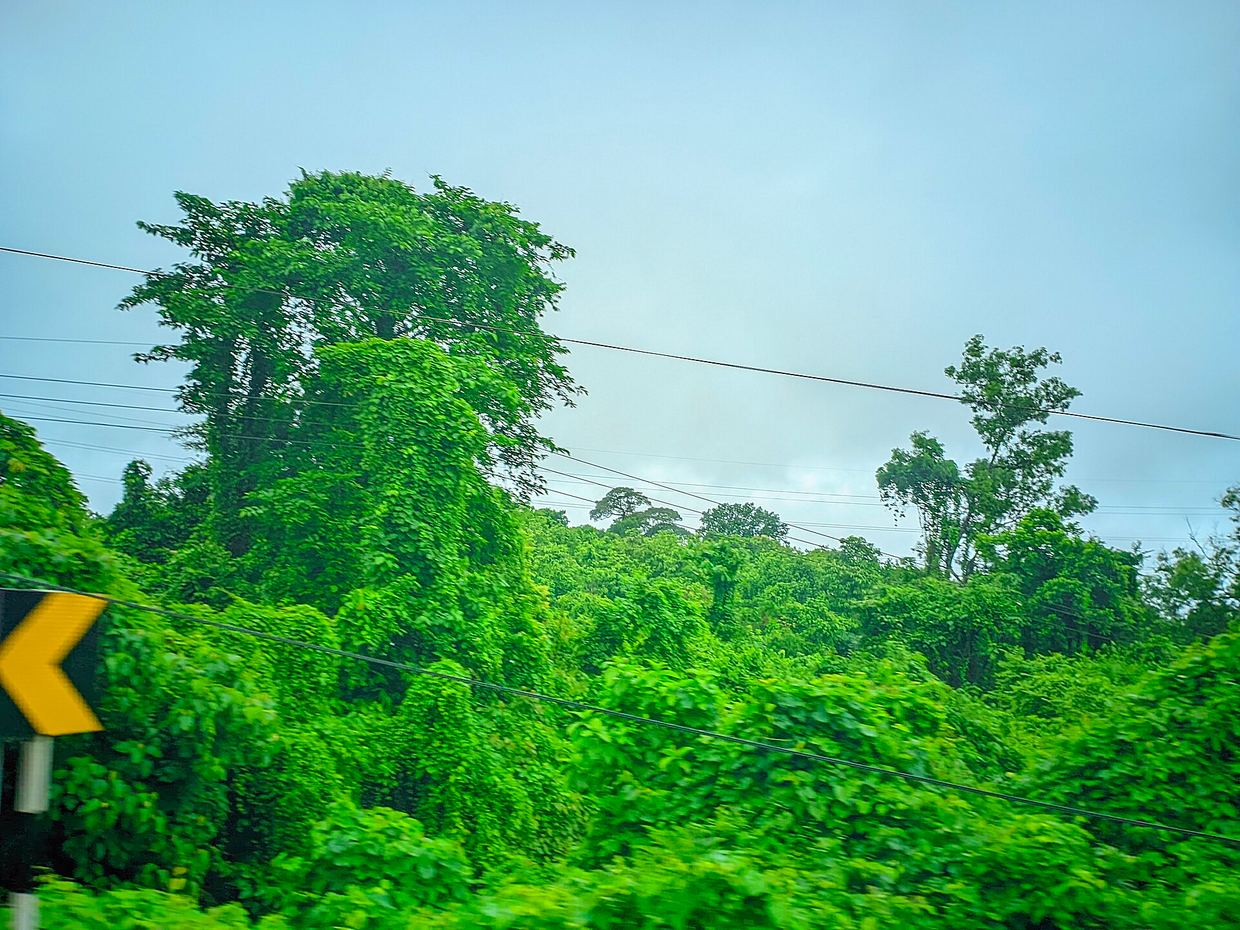
King cobras rely on canal vegetation and forest fragments in Thailand agricultural zones
Radiotelemetry tracking reveals how king cobras navigate fragmented farmland in Thailand, relying on vegetated waterways for shelter and movement.
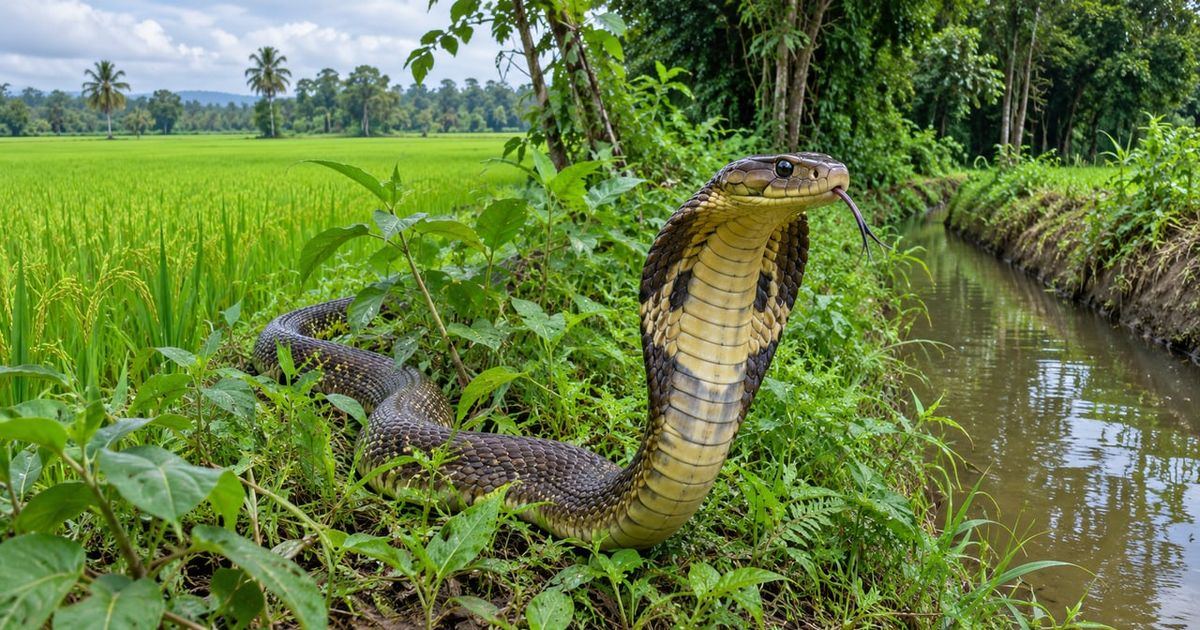
In northeastern Thailand, habitat fragmentation caused by croplands, roads, and settlements has significantly altered the movement patterns of the king cobra (Ophiophaqus hannah), as reported by catracalivre.com.br. A radiotelemetry tracking initiative revealed that these large reptiles substantially reduce their activity levels in agricultural zones and prefer moving within forested sectors catracalivre.com.br
catracalivre.com.brcatracalivre.com.brOpen source ↗. The findings highlight that agricultural expansion disrupts vital movement corridors, isolating forest patches and increasing human-wildlife encounters.
Farmland matrices and behavioral changes
The study area encompasses an agricultural mosaic dominated by rice paddies, cassava, maize, and sugarcane plantations. For large-bodied snakes, traversing these open fields eliminates critical canopy shade, alters ambient temperature exposure, and increases vulnerability due to lack of cover catracalivre.com.br
catracalivre.com.brcatracalivre.com.brOpen source ↗. Field observations indicate that when king cobras enter cultivated areas, they consistently restrict their movements to seminatural zones and margins rather than dispersing through open fields. Consequently, the loss of contiguous pathways poses as much of a functional barrier as the gross loss of native forest cover.
Vegetated canals as ecological corridors
Researchers identified irrigation canal banks lined with shrubs, wild grasses, and uncultivated strips as critical landscape corridors catracalivre.com.br
catracalivre.com.brcatracalivre.com.brOpen source ↗. These continuous vegetated waterways offer ground-level cover, stable microclimates, and sheltered passage routes between isolated woodlands. Maintaining spontaneous riparian vegetation and fallow borders reduces exposure risks without requiring dedicated large-scale nature reserves. Authors suggest integrating ecological connectivity into regional agricultural planning to preserve these linear corridors, mitigating road mortality and supporting local fauna.