University of Reading: air pollutants reduce pollinator efficiency by up to 68%
A meta-analysis showed that ozone and nitrogen oxides degrade floral scents, impairing insect foraging by 67% until projected drops after 2050.
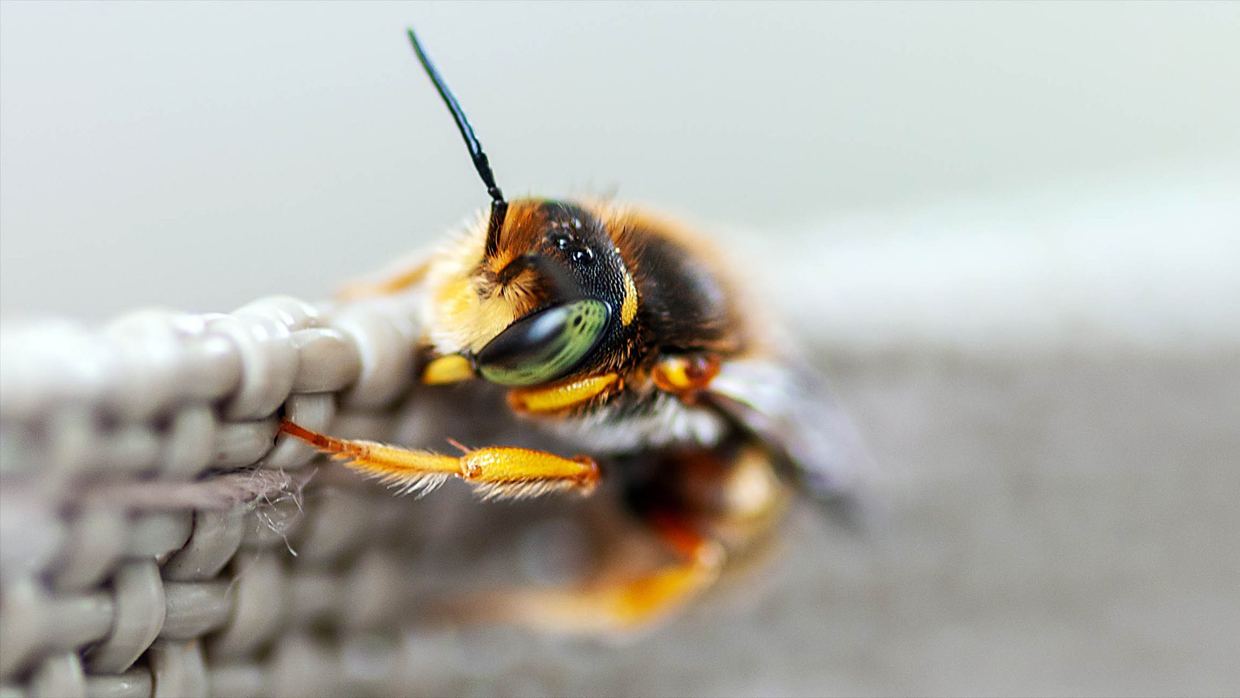
Air pollutants such as ozone (O3) and nitrogen oxides (NOx) degrade floral scent molecules, substantially undermining the foraging capacity of insect pollinators doi.org
Frontiers in Ecology and the Environmentdoi.orgOpen source ↗. A meta-analysis led by researchers at the University of Reading synthesized data from 22 experimental studies comprising 87 comparisons, published in Frontiers in Ecology and the Environment. The findings quantify how atmospheric chemical reactions dismantle volatile signaling pathways, cutting insects' capacity to locate flowering hosts
doi.org
Frontiers in Ecology and the Environmentdoi.orgOpen source ↗.
Sub-additive degradation of scent trails
The chemical interaction with airborne pollutants modifies the concentration and structure of floral scent plumes doi.org
Frontiers in Ecology and the Environmentdoi.orgOpen source ↗. Elevated ozone alone reduced pollinator performance metrics by an average of 42%, while nitrogen oxides reduced them by 46%
doi.org
Frontiers in Ecology and the Environmentdoi.orgOpen source ↗. In tests combining both pollutants, the performance decline averaged 68%, indicating a sub-additive effect driven by atmospheric chemical interactions between O3 and NOx rather than a purely cumulative 88% loss
doi.org
Frontiers in Ecology and the Environmentdoi.orgOpen source ↗.
Disruption was unevenly distributed across insect behaviors: while feeding at the flower and insect abundance remained largely stable, searching efficiency plummeted by an average of 67% doi.org
Frontiers in Ecology and the Environmentdoi.orgOpen source ↗. Specialist species, such as the tobacco hawkmoth and yucca moth, face the greatest operational risk due to their strict reliance on specific plant compounds. Temporal factors also diverge: daytime ozone peaks impact diurnal foragers like honeybees during crop bloom, whereas nocturnal NOx concentrations affect moth activity.
Exposure thresholds and projection models
Under the middle-of-the-road emissions scenario (SSP2-4.5), tropospheric O3 levels are projected to rise continuously until mid-century, declining only after 2050 as global fossil fuel consumption falls doi.org
Frontiers in Ecology and the Environmentdoi.orgOpen source ↗. Under a high-emissions trajectory, elevated ozone persists well into the 2060s before dropping below baseline levels near the century's end.
The authors noted geographical constraints in current experimental data: 19 of the 22 reviewed studies were conducted in Europe, and 16 primarily evaluated bees or related species doi.org
Frontiers in Ecology and the Environmentdoi.orgOpen source ↗. Furthermore, the average experimental ozone exposure was 161 parts per billion—more than double the standard US limit of 70 parts per billion. Further field analyses are required to determine low-dose reaction thresholds across tropical regions, where baseline pollution and ecological dynamics differ markedly
doi.org
Frontiers in Ecology and the Environmentdoi.orgOpen source ↗.