Sun Yat-sen University Engineers Sulfur-Tolerant Platinum Catalyst in Lab Tests
Support engineering with nitrogen coordination prevented platinum poisoning during nitroarene hydrogenation in laboratory tests.
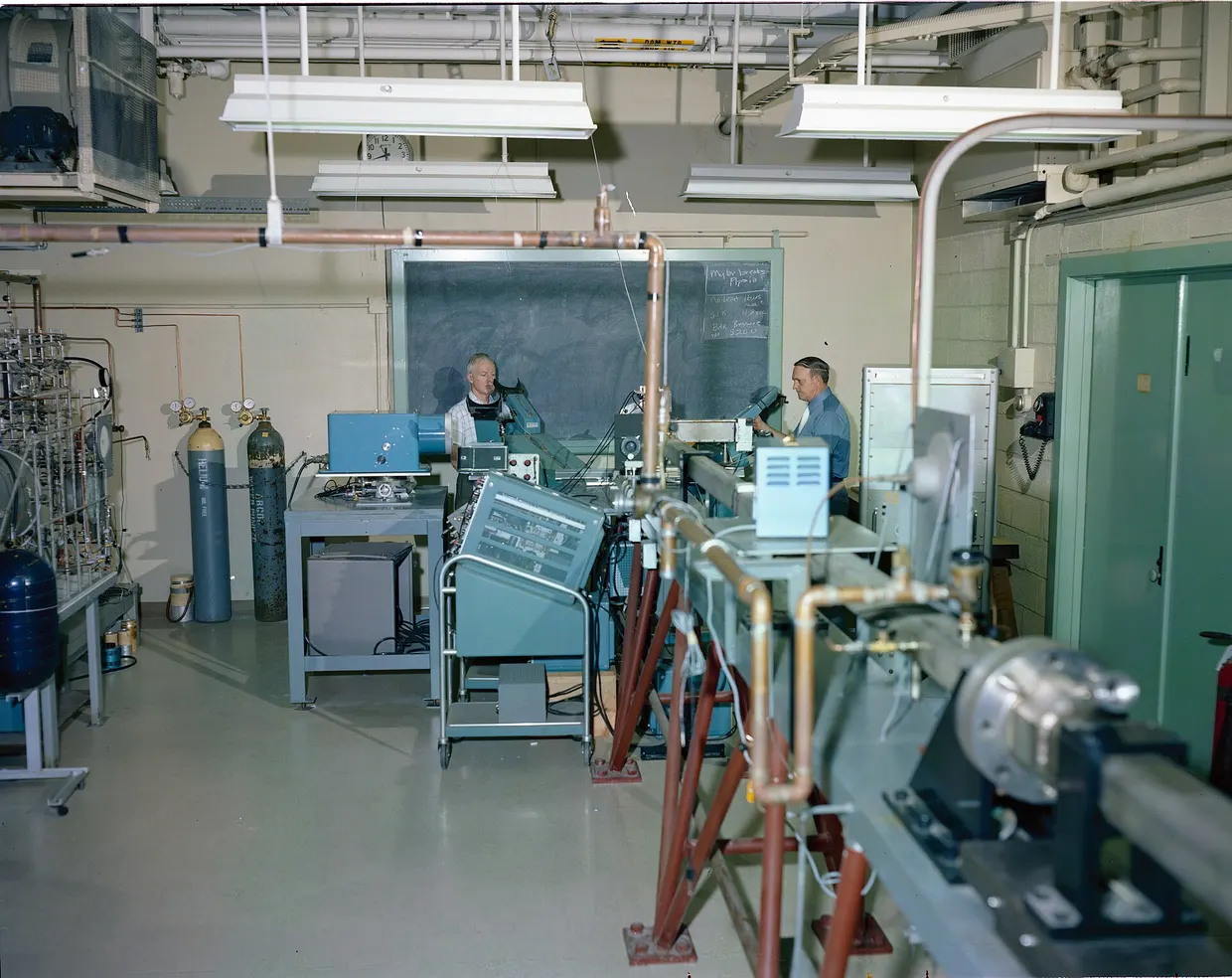
Researchers at Sun Yat-sen University developed a sulfur-tolerant single-atom platinum catalyst for the selective hydrogenation of nitroarenes, according to a report published via EurekAlert eurekalert.org
EurekAlerteurekalert.orgOpen source ↗. The study, led by Xiaohui He, demonstrated that tailoring the local coordination environment of isolated platinum atoms on a carbon support prevents catalyst poisoning caused by sulfur-containing chemical groups. The method targets the production of aromatic amines, which serve as intermediates in the synthesis of pharmaceuticals and agrochemicals.
To prepare the catalyst, the authors treated carbon supports with ammonia for varying durations before introducing isolated platinum atoms via a precursor-atomization technique. Analysis using aberration-corrected high-angle annular dark-field scanning transmission electron microscopy (HAADF-STEM) and spectroscopy confirmed that platinum remained atomically dispersed. The optimal catalyst featured single platinum atoms coordinated to four nitrogen atoms within the carbon matrix.
Catalytic Performance and Stability
In testing the hydrogenation of 4-nitrothioanisole, the sample prepared with a 60-minute ammonia treatment achieved a turnover frequency of 1,166 h⁻¹ at conversions below 30%, which was roughly 12 times higher than the least active catalyst in the tested series. The researchers noted that catalytic activity did not scale linearly with nitrogen content, rising initially and then decreasing. The optimized material achieved 100% product selectivity in reaction-time tracking and maintained above 99% selectivity alongside stable turnover rates across five reuse cycles.
Post-reaction analyses showed no detectable platinum agglomeration or alterations in metal oxidation state eurekalert.org
EurekAlerteurekalert.orgOpen source ↗. While reference platinum catalysts prepared on carbon supports without ammonia treatment suffered rapid deactivation in the presence of sulfur species, the nitrogen-engineered version retained high activity under the same conditions.
Reaction Mechanisms
Hydrogen-deuterium exchange measurements revealed that the catalyst treated for 60 minutes activated hydrogen more efficiently than any other formulation in the series. Density functional theory calculations further showed that nitrogen coordination weakened the adsorption energy of sulfur-bearing moieties on the platinum sites while favoring the adsorption and reduction of the target nitro group. The authors concluded that engineering the support environment around single metal atoms provides a practical route to enhance sulfur tolerance in selective hydrogenation processes.