IBiS Seville: epicatechin cut ciprofloxacin-linked mutations in E. coli threefold in laboratory experiments
Epicatechin, a polyphenol of green tea and cocoa, suppressed the bacterial SOS response in E. coli in vitro without changing ciprofloxacin activity. In vivo use faces pharmacokinetic limits.
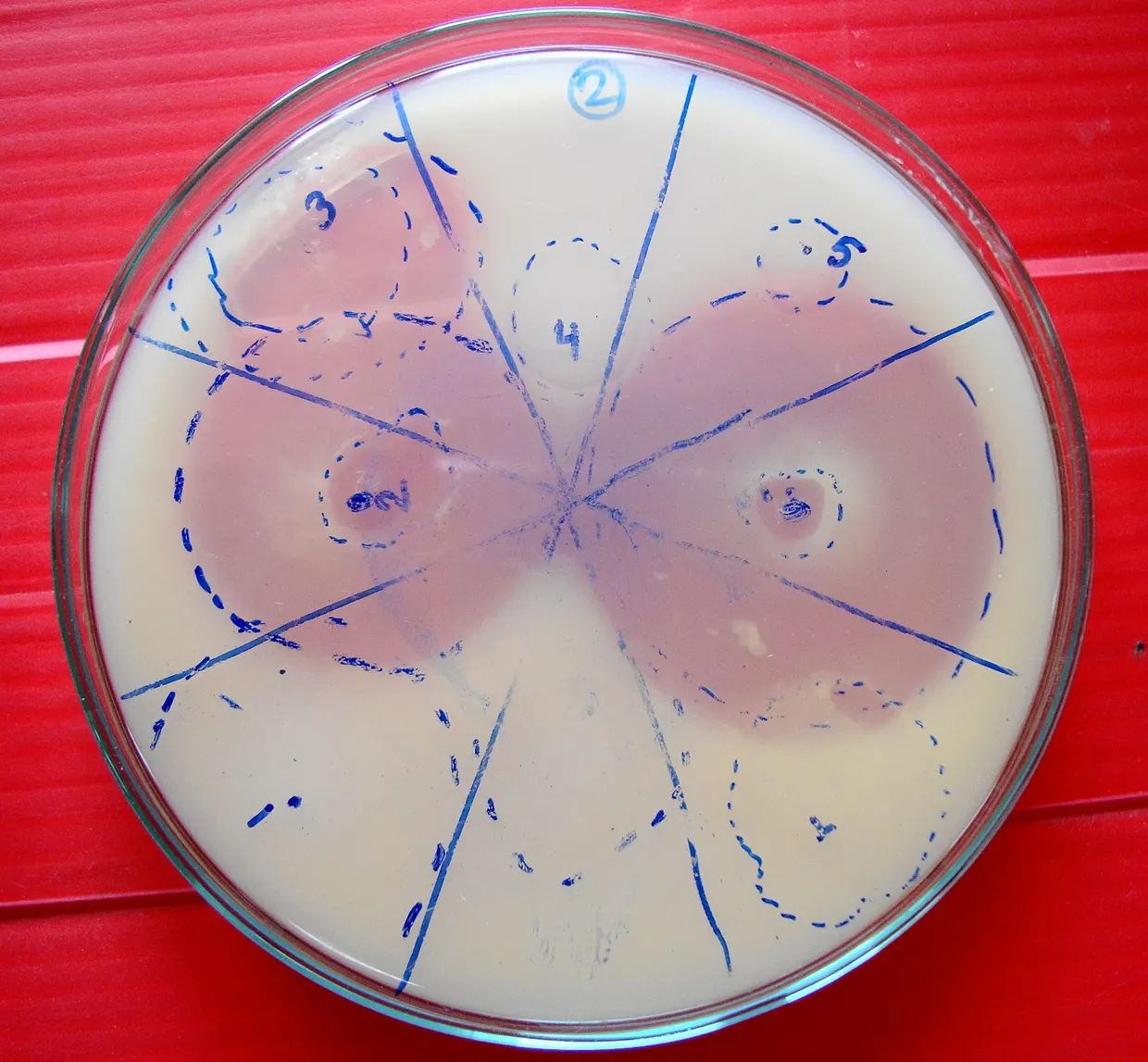
A team at the Institute of Biomedicine of Seville (IBiS) has found that epicatechin, a plant polyphenol abundant in green tea and cocoa, slows the adaptive capacity and evolution of resistance in Escherichia coli exposed to the antibiotic ciprofloxacin, according to consalud.es. The study was led by José Manuel Rodríguez-Martínez of Virgen Macarena University Hospital, the University of Seville and the CIBER of Infectious Diseases (Ciberinfec). It was published in npj Antimicrobials and Resistance. consalud.es
consalud.esconsalud.esOpen source ↗
The work was done on clinical isolates and laboratory strains, so it is a laboratory-stage result, not a treatment. The authors state that the compound has pharmacokinetic limitations for direct use in vivo.
Suppression of the SOS response
The authors showed that epicatechin reduces, in a dose-dependent manner, activation of the bacterial SOS system, coordinated by the RecA protein. This DNA repair pathway is switched on after the genotoxic damage caused by ciprofloxacin.
The SOS response repairs genetic material, but it also activates error-prone polymerases, which increases genetic variability and speeds the appearance of resistant mutations. Epicatechin represses this response and markedly reduces the subpopulations with high SOS activation, limiting the share of cells most likely to generate mutational diversity. consalud.es
consalud.esconsalud.esOpen source ↗
Transcriptional and proteomic analyses showed that the ciprofloxacin and epicatechin combination broadly represses the main DNA repair and oxidative stress response pathways.
Fewer mutations, same antibiotic activity
In long-term experimental evolution assays with advanced genomic characterization, the combination reduced the accumulation of chromosomal mutations (SNPs) threefold, including mutations directly linked to resistance.
The combination prevented mutations in the antibiotic's target genes (gyrA, parC, parE) and reduced the number of SNPs affecting regulators of efflux pumps (marR, acrR, emrR). The polyphenol also limits plasmid transfer between bacteria. consalud.es
consalud.esconsalud.esOpen source ↗
According to the authors, none of this altered the minimum inhibitory concentration (MIC) or the bactericidal capacity of ciprofloxacin. First author Marina Murillo-Torres said the results suggest it is possible to limit the tendency of antibiotics to generate resistance without necessarily compromising their antibacterial activity.
The authors describe epicatechin as a chemical scaffold for developing next-generation adjuvants.