All of Us study of 14.3 million Fitbit sleep records links food and housing insecurity to shorter sleep
A cross-sectional analysis of 12,403 All of Us participants found that better social conditions were associated with longer and more regular sleep. It shows association, not causation.
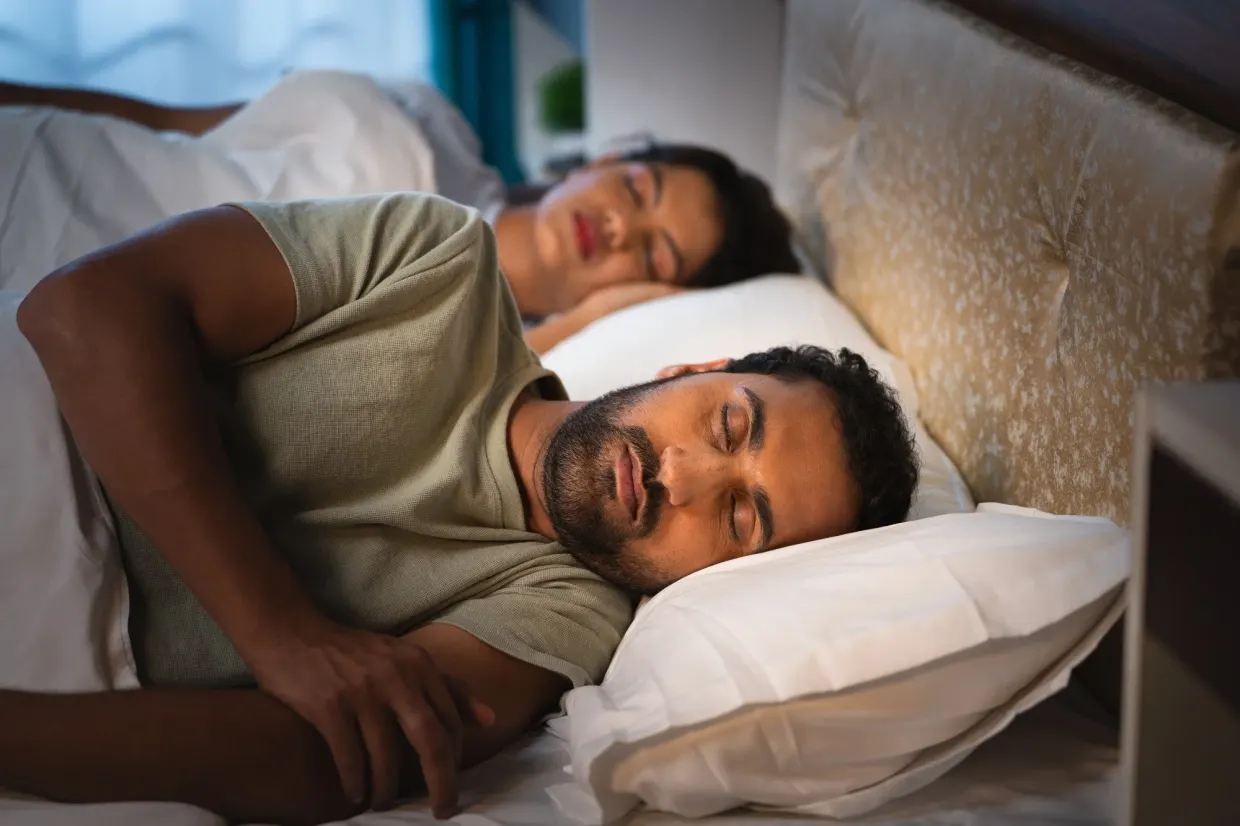
Researchers analysed more than 14.3 million daily sleep records from 12,403 participants of the US National Institutes of Health's All of Us Research Program. They found that more favourable social and economic conditions were associated with longer and more regular sleep, news-medical.net reports. The study was published in JAMA Network Open. news-medical.net
news-medical.netnews-medical.netOpen source ↗
Participants provided at least 180 days of sleep data from Fitbit wearable devices, including historical records from before enrolment. The median monitoring period was 982 days, about 2.7 years. The researchers calculated the average daily duration of the main sleep episode and its day-to-day variation, measured as the standard deviation of nightly sleep duration.
Participants also completed a survey on social determinants of health. It covered four domains: social and community context, economic stability, neighbourhood environment, and healthcare access and quality.
Results by domain
After accounting for sociodemographic and lifestyle factors, participants in the highest third of overall scores slept on average 5.82 minutes longer per day than those in the lowest third. Their day-to-day variation in sleep duration was 4.79 minutes smaller. news-medical.net
news-medical.netnews-medical.netOpen source ↗
Economic stability stood out. Participants with neither food nor housing insecurity slept on average 10.70 minutes longer per day and had 8.70 minutes less variability than those facing both. Better healthcare access and quality were also associated with longer and more consistent sleep.
Favourable social and community conditions and, to a lesser extent, better neighbourhood environments were linked to greater sleep regularity. Overall, the associations were stronger and more consistent for regularity than for duration. People with more favourable conditions were less likely to sleep under six hours than six to eight hours. No significant association was found with sleeping more than eight hours, but few participants fell into that category.
Subgroups and limitations
The association between the overall score and sleep duration was stronger in participants aged 60 and over than in younger ones. A stronger inverse association between healthcare access and quality and sleep variation was seen among younger participants. A better neighbourhood environment was associated with longer sleep among participants from racial minority groups, but not among White participants. news-medical.net
news-medical.netnews-medical.netOpen source ↗
The authors note that the design is cross-sectional, so it shows associations rather than causality. According to the report, the analysis did not cover daytime sleep, and different device models and algorithms could have affected measurement accuracy. The sample consisted predominantly of White participants with higher socioeconomic status.
The authors point to rotating shift work, which is more common among people with less favourable social conditions, as a plausible explanation for greater sleep irregularity in these groups.
Sources · 2
Found a mistake?Read also