Granzyme K drives age-related liver, kidney and heart damage in mice, but not immune decline
Mice lacking granzyme K showed less age-related organ fibrosis, while their immune decline matched normal mice. The result has not been tested in people.
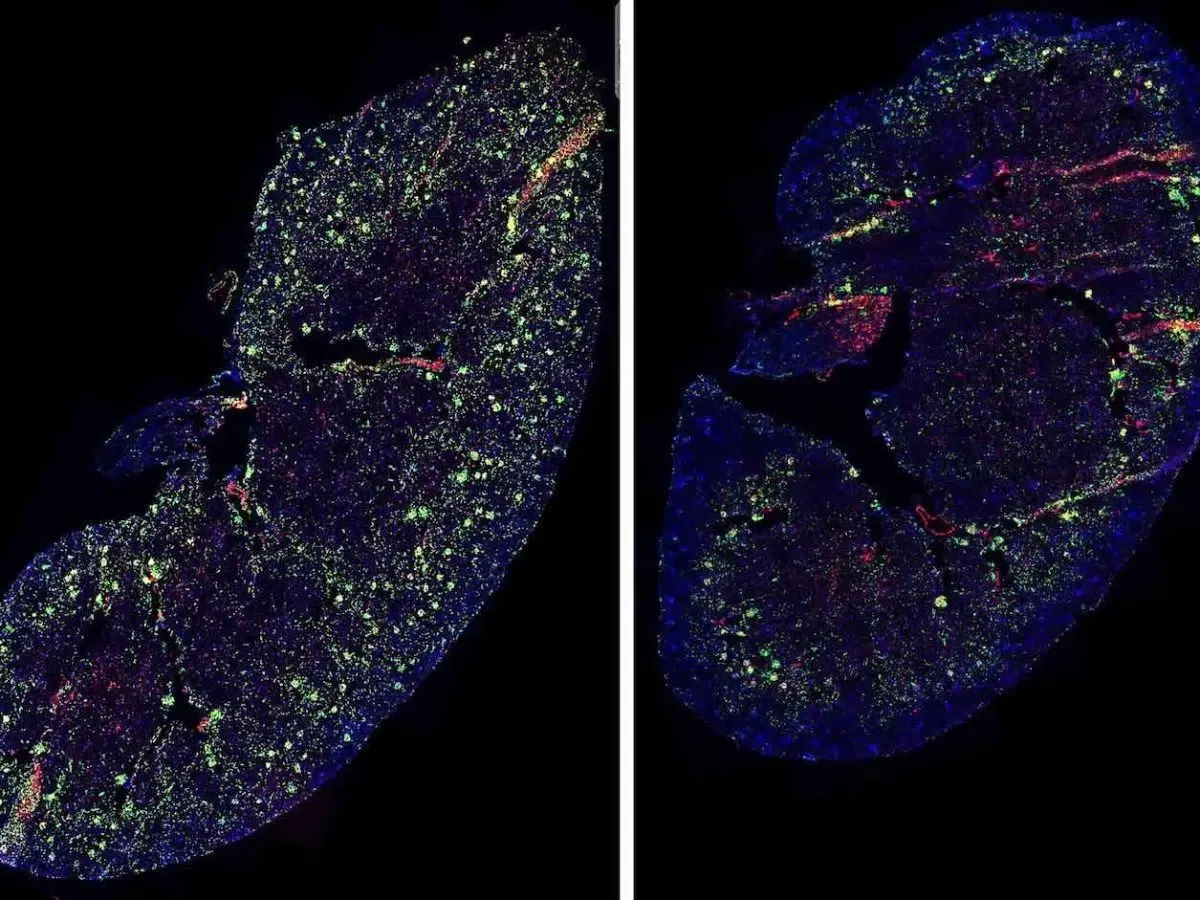
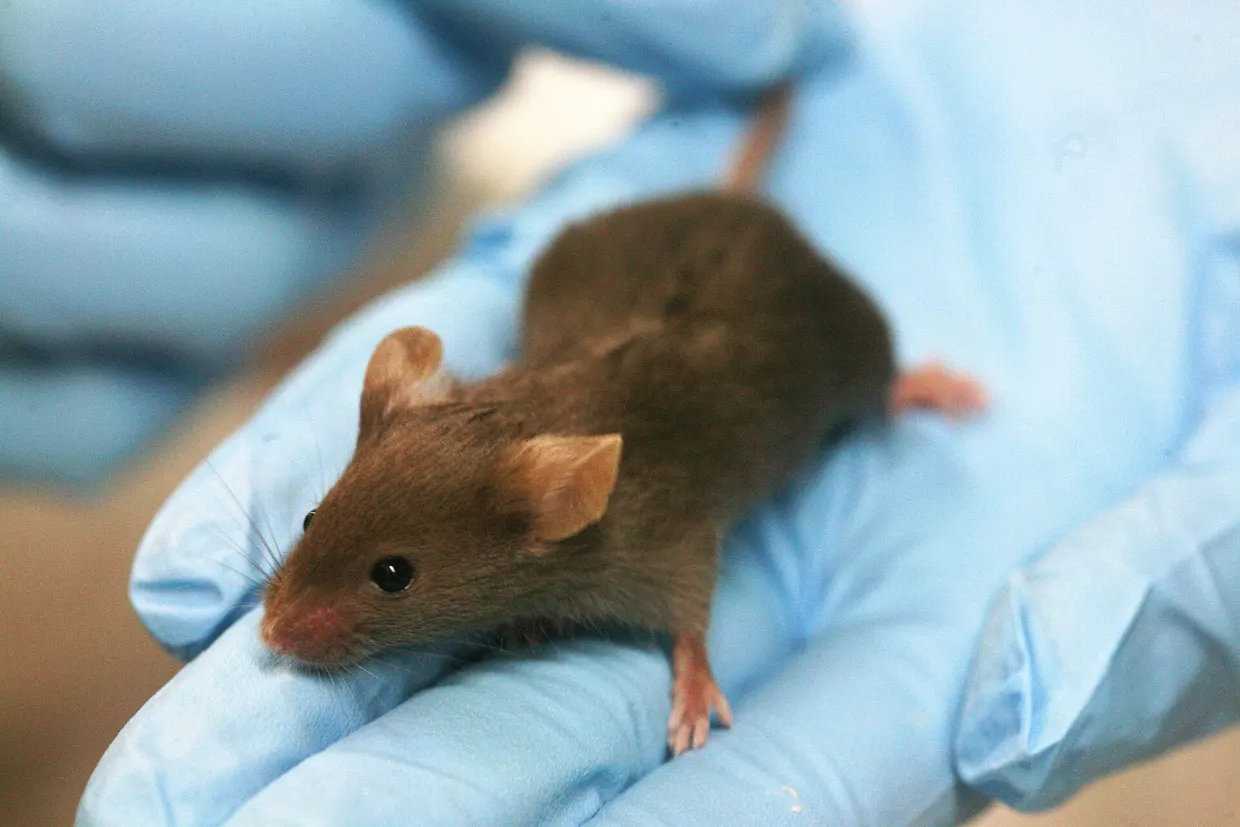
Biologists experimented on genetically modified mice and found that the enzyme granzyme K promotes age-related damage to the liver, kidneys and heart, Naked Science reports. The work was published in the journal Immunity. naked-science.ru
Naked Sciencenaked-science.ruOpen source ↗ The concentration of granzyme K was already known to rise significantly in old mice and people, but its exact role remained unclear.
How the experiment was done
The mice lacked granzyme K from birth. The researchers compared young and old rodents with old animals without the protein. They measured inflammation markers in blood, examined tissue structure under a microscope, and tested immunity by infecting the animals with influenza virus and implanting tumor cells. They also studied medical databases of people with fibrotic diseases.
What the results showed
The immunity of old modified mice weakened just as in ordinary rodents: both groups coped equally poorly with tumors and infections. The state of their organs differed. Age-related fibrosis was markedly reduced. Liver damage in old animals without the enzyme was minimal, the walls of the left ventricle kept normal thickness and the heart worked better, and harmful protein deposits in the kidneys decreased.
Human data showed a similar correlation: granzyme K levels were consistently elevated in patients with heart failure and lupus. naked-science.ru
Naked Sciencenaked-science.ruOpen source ↗
The authors concluded that granzyme K destroys the tissue of internal organs but does not affect age-related decline of immunity, so organ aging and immune aging can be separated at the biological level. The mice lived without the protein all their lives, so it is not yet clear whether switching it off therapeutically in old age would work. Additional clinical studies will be needed to transfer the results to humans.