Danish study of 756,636 pregnancies finds no link between GLP-1 weight-loss drugs and preterm birth
In Danish registry data, accidental early-pregnancy exposure to semaglutide or liraglutide raised preterm birth odds only when prescribed for diabetes, not for weight management.
Researchers at Copenhagen University Hospital Hvidovre in Denmark analyzed 756,636 singleton pregnancies among 480,231 women, according to sciencedaily.com sciencedaily.com
sciencedaily.comsciencedaily.comOpen source ↗. All pregnancies ended in delivery between October 1, 2009, and December 31, 2023. The work was published in Human Reproduction Open.
Study design and exposure definition
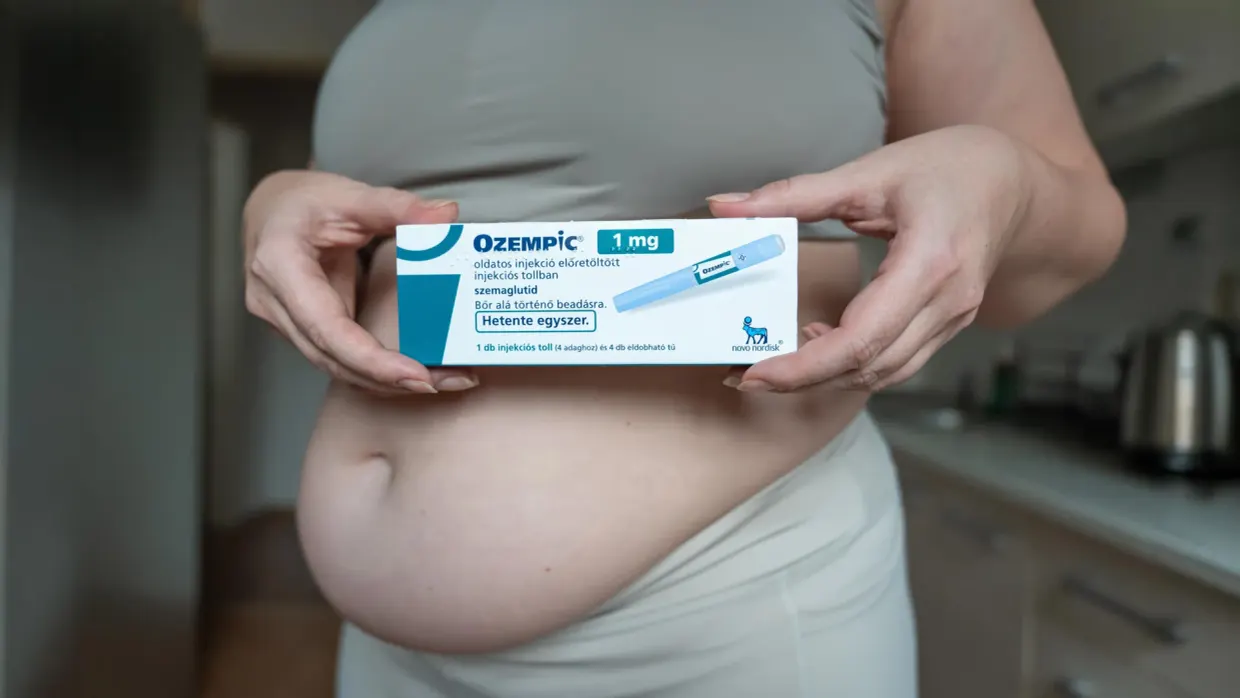
The team used Denmark's nationwide health registries. A pregnancy was classified as possibly accidentally exposed if the woman filled a prescription for semaglutide (Ozempic, Wegovy) or liraglutide (Saxenda) within the eight weeks before or after the first day of her last menstrual period. This 16-week window covers the time when a woman may not yet know she is pregnant and the early stage of organ formation. Such records were found for 529 pregnancies.
The outcomes examined were preterm birth (before 37 weeks), pre-eclampsia, gestational diabetes, a baby large for gestational age, stillbirth and placental problems. The analysis was adjusted for maternal age, body mass index, smoking, location, education and diabetes status, as well as month and year of pregnancy.
Both drugs are GLP-1 receptor agonists, developed for type 2 diabetes; they also suppress appetite. Their safety in pregnancy has not been established. According to study leader Henriette Svarre Nielsen, current guidance to stop treatment eight weeks before a planned pregnancy rests on early-phase model organism studies rather than real-world evidence. sciencedaily.com
sciencedaily.comsciencedaily.comOpen source ↗
Results: diabetes versus weight management
Unadjusted, women with GLP-1 prescriptions had several complications more often than unexposed women. After adjustment, most of these associations were no longer statistically significant.
One significant association remained: preterm birth among women prescribed the drugs for diabetes. Compared with unexposed women, the adjusted odds of preterm delivery were 70% higher with liraglutide and 84% higher with semaglutide. Among women who took the same drugs for weight management, the authors found no significant association with preterm birth or the other complications studied.
The authors say this suggests that diabetes itself, rather than the medication, may drive the increased risk. sciencedaily.com
sciencedaily.comsciencedaily.comOpen source ↗ The study is observational, and filled prescriptions do not confirm that the drugs were actually taken. The authors stress that the results are not grounds for changing current recommendations to stop GLP-1 therapy before a planned pregnancy. Nielsen said future studies should separate women using the drugs for diabetes from those using them for weight control.