Chinese researchers make balsa-based material that stores solar heat and powers a generator at night
Lab material from treated balsa converted 91.27% of sunlight into heat; with a thermoelectric generator it gave up to 0.65 V and kept producing power in the dark.
Chinese researchers have developed a material from balsa wood that absorbs sunlight, stores heat and, according to the authors, can generate electricity in the dark, sozcu.com.tr reports, citing TechRadar sozcu.com.tr
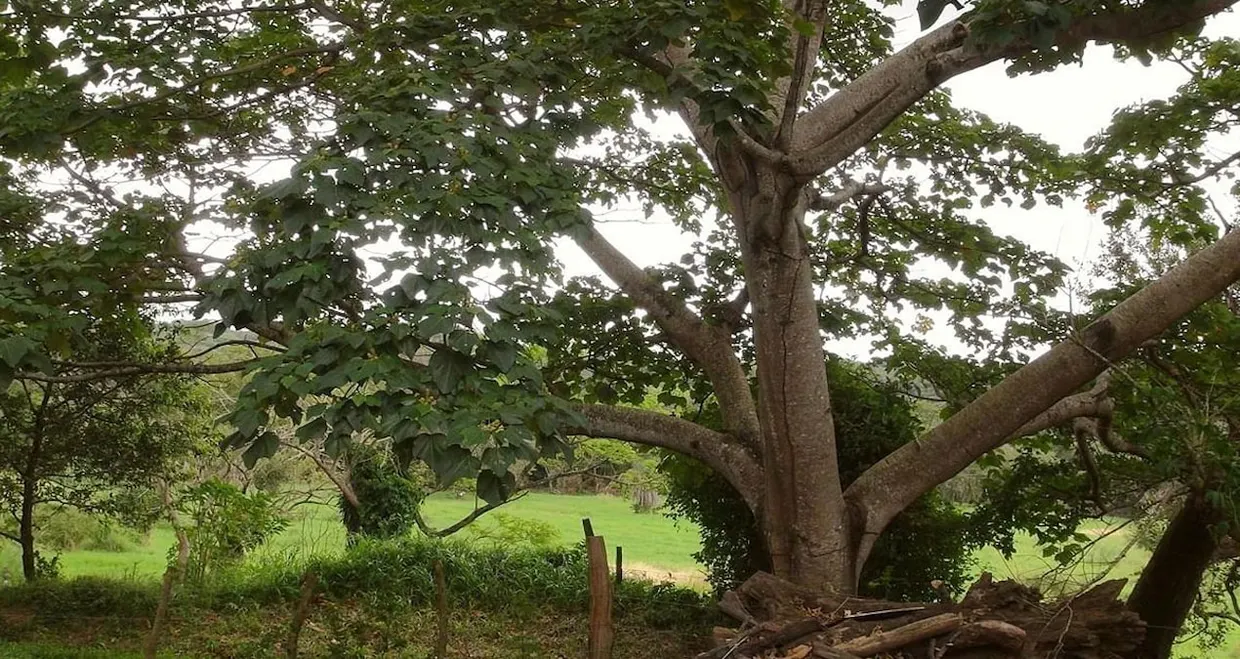
sozcu.com.trsozcu.com.trOpen source ↗. Balsa was chosen not for its strength but for its natural micro-channel array, which directs heat and holds the other components in place.
How the material is made
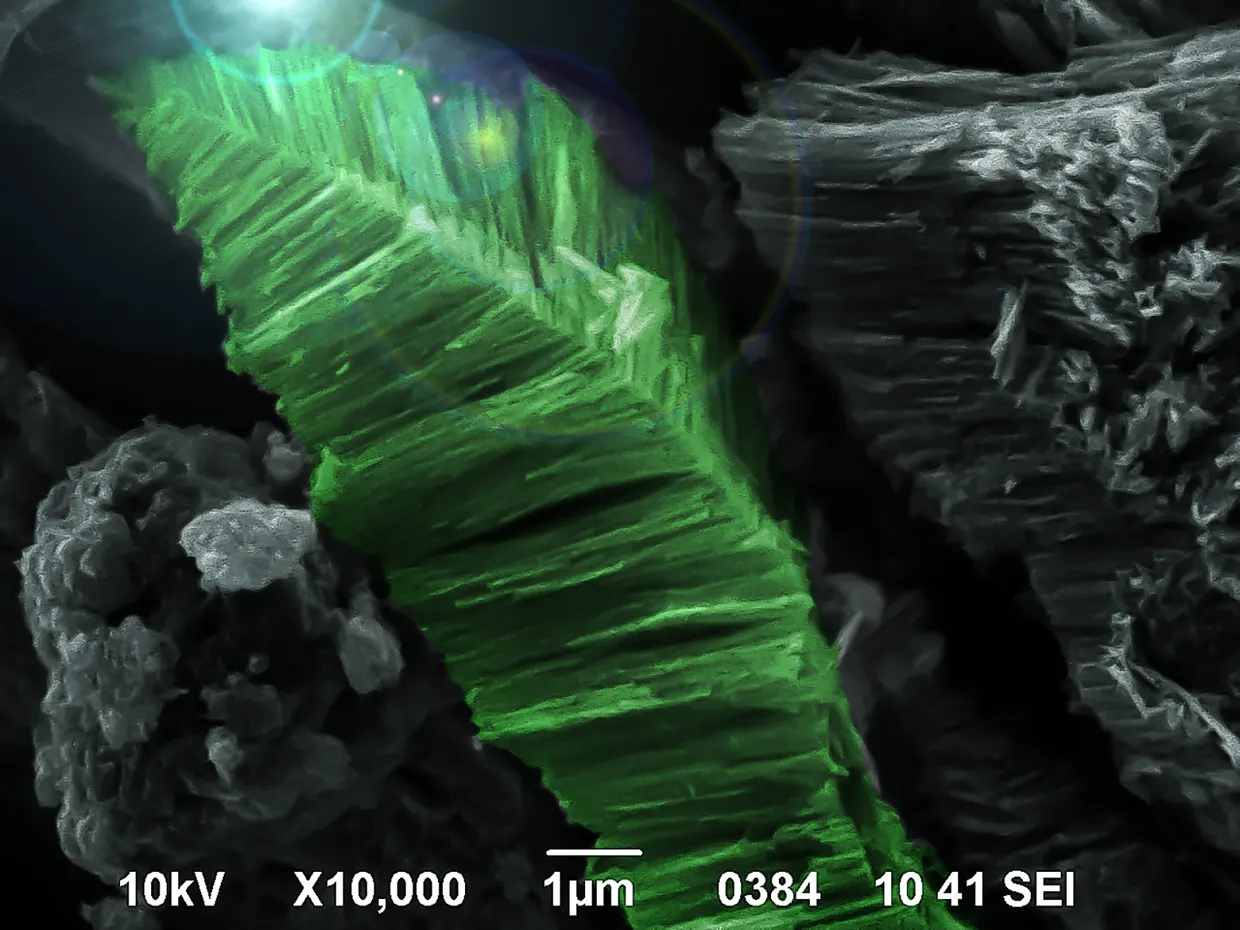
Lignin, which gives wood its stiffness and colour, was removed, raising porosity above 93%. The channel walls were coated with an ultrathin layer of black phosphorene that converts ultraviolet, visible and infrared light into heat. Each nanolayer was protected against oxidation by a molecular shield of tannic acid and iron ions, and the material remained stable after 150 days of sunlight exposure.
Silver nanoparticles were added to enhance light absorption through plasmonic effects. Long hydrocarbon chains grafted onto the surface gave a superhydrophobic structure with a contact angle of 153 degrees. The channels were then filled with stearic acid, a phase-change biomaterial that stores heat as it melts and releases it as it solidifies.
Heat storage and electricity output
The material stored about 175 kJ of heat per kilogram and converted 91.27% of incoming sunlight into usable heat. It conducted heat along the wood fibres about 3.9 times more efficiently sozcu.com.tr
sozcu.com.trsozcu.com.trOpen source ↗. Combined with a thermoelectric generator, it produced up to 0.65 V under standard sunlight.
Stearic acid melted by sunlight releases the stored heat gradually after dark. This maintains the temperature difference across the generator and lets electricity production continue after the light source is gone.
The properties were retained after 100 heating and cooling cycles. The material also resisted burning and self-extinguished within two minutes. The researchers state that the fire-resistant, water-repellent and antimicrobial design prevents performance loss outdoors caused by dust and microbes.
The uses named include heat regulation in electronic devices, energy efficiency in building materials and support for small autonomous power systems. Producing the material at large scale while preserving its complex layered structure remains difficult sozcu.com.tr
sozcu.com.trsozcu.com.trOpen source ↗.