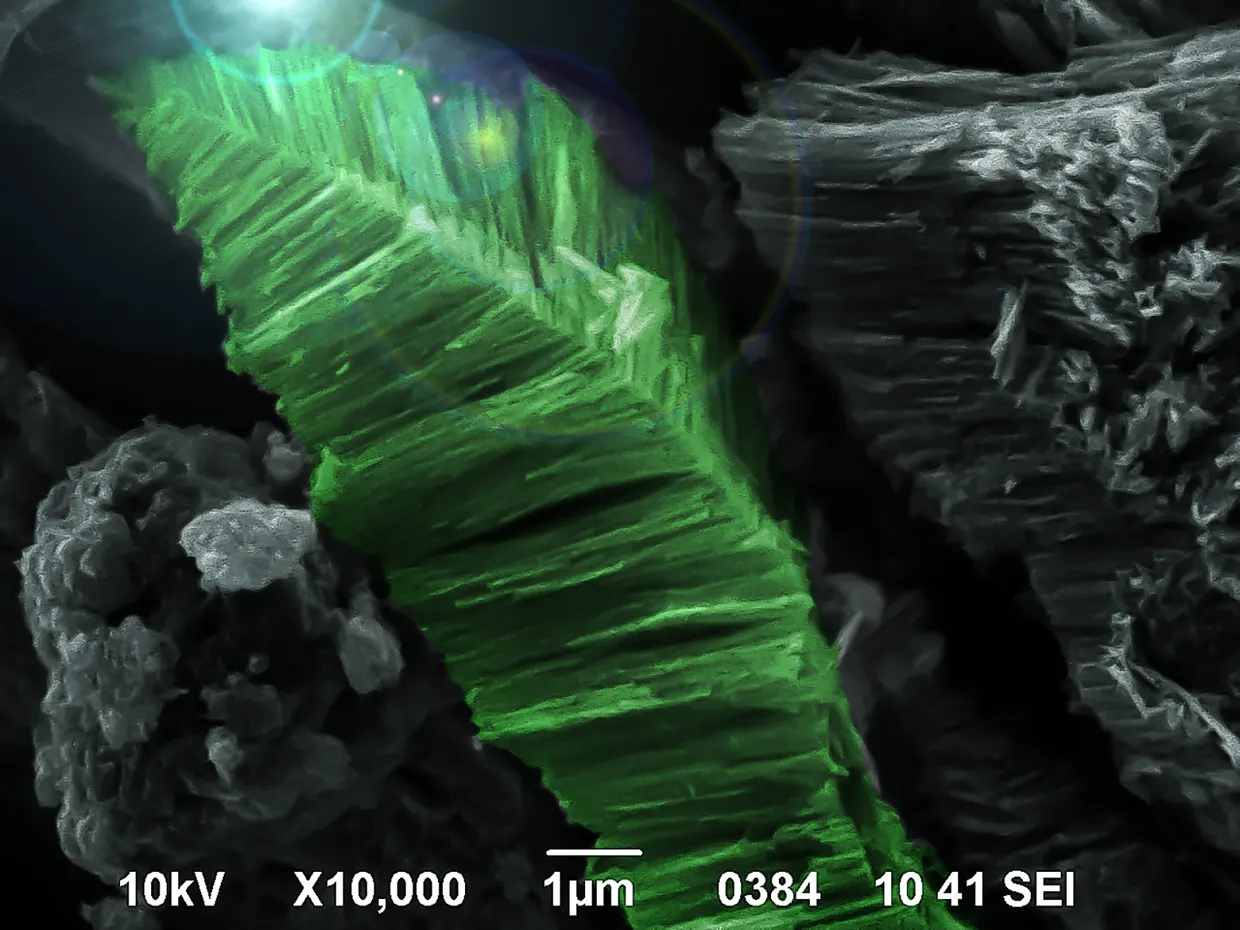
ETH Zurich turns polyethylene and polypropylene waste into a lab adhesive for metal, glass and wood
ETH Zurich researchers grafted new polymer chains onto polyethylene and polypropylene in one light-driven step; the lab samples bond metal, glass and wood.
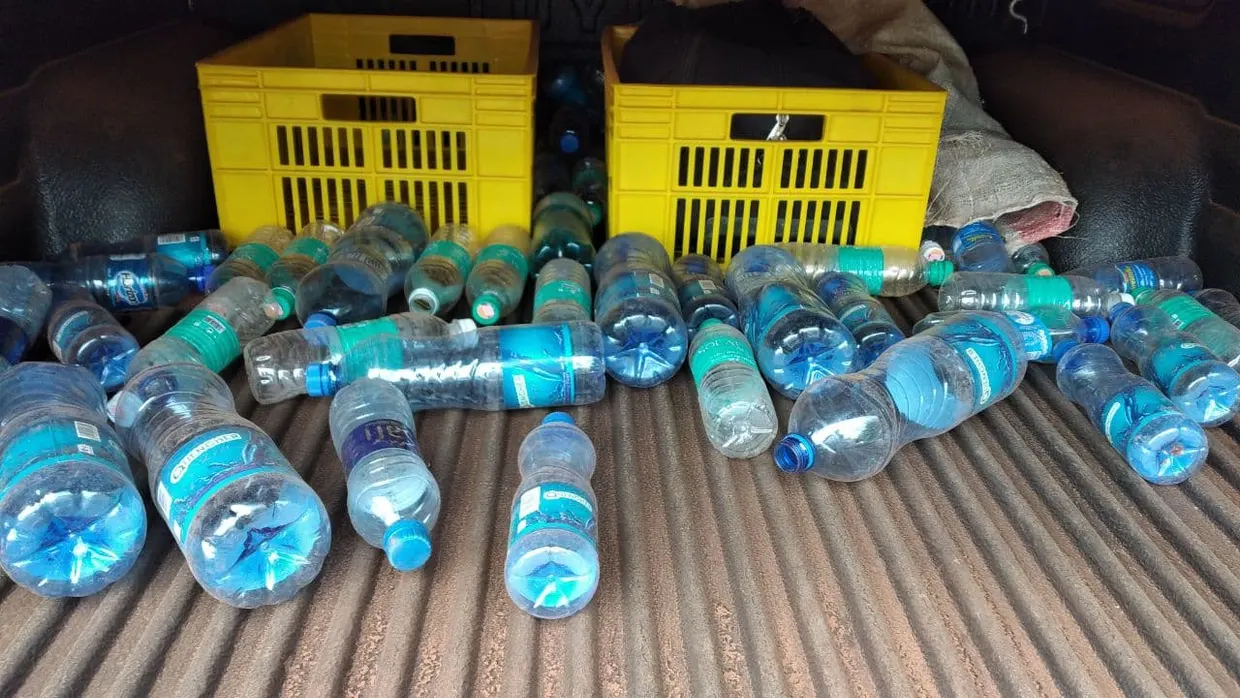
A team at ETH Zurich has obtained adhesives from polyethylene and polypropylene waste such as bags and bottles, according to larazon.es. The adhesives bond metal, glass and wood. larazon.es
larazon.eslarazon.esOpen source ↗ The work involves Hongsik Kim, Tae-Lim Choi and Athina Anastasaki and is described in the Journal of the American Chemical Society.
Not every container is suitable: bottles and packaging can be made of different materials.
Grafting polymers onto polymers
Polyethylene and polypropylene are polyolefins, widely used in packaging and everyday products. Their low reactivity suits many uses but makes chemical modification difficult.
The study proposes direct grafting of polymers onto polymers. The added chains change the behavior of the existing material instead of simply melting it and reshaping it into something similar. larazon.es
larazon.eslarazon.esOpen source ↗ The procedure uses light and a chlorinated solvent. According to ETH, it makes the transformation possible in a single step, without high temperatures or costly catalysts. It is a laboratory chemical process, not a household recipe.
The publication examines how the amount of grafted chains affects the material. A limited modification can preserve the crystalline order of polyolefins, while denser changes alter their response. This tunability allows different combinations of properties to be explored.
Strength and open questions
ETH states that the joints reach strengths compatible with industrial-use criteria. This describes the tested samples; it does not mean a commercial adhesive certified for any load, temperature or working environment already exists.
Using waste does not by itself demonstrate a given reduction in emissions or pollution. Assessment would require looking at collection, reagents, energy and the final fate of the adhesive. The solvent is a real part of the procedure and has to be counted when judging industrial use. larazon.es
larazon.eslarazon.esOpen source ↗ Prior sorting of materials also remains a relevant issue.
The team also considers materials with better oxygen barriers for packaging, which is a line of development. The work has led to a patent and a nomination for the ETH Spark Award. The next challenge is making the process reproducible and scalable while keeping the joint performance and assessing costs and environmental effects.