Stanford Medicine: 15-PGDH inhibitor regrows knee cartilage in old mice and human tissue samples
An injection blocking the aging-related protein 15-PGDH thickened knee cartilage in old mice and prevented post-injury arthritis; human tissue samples also formed new cartilage.
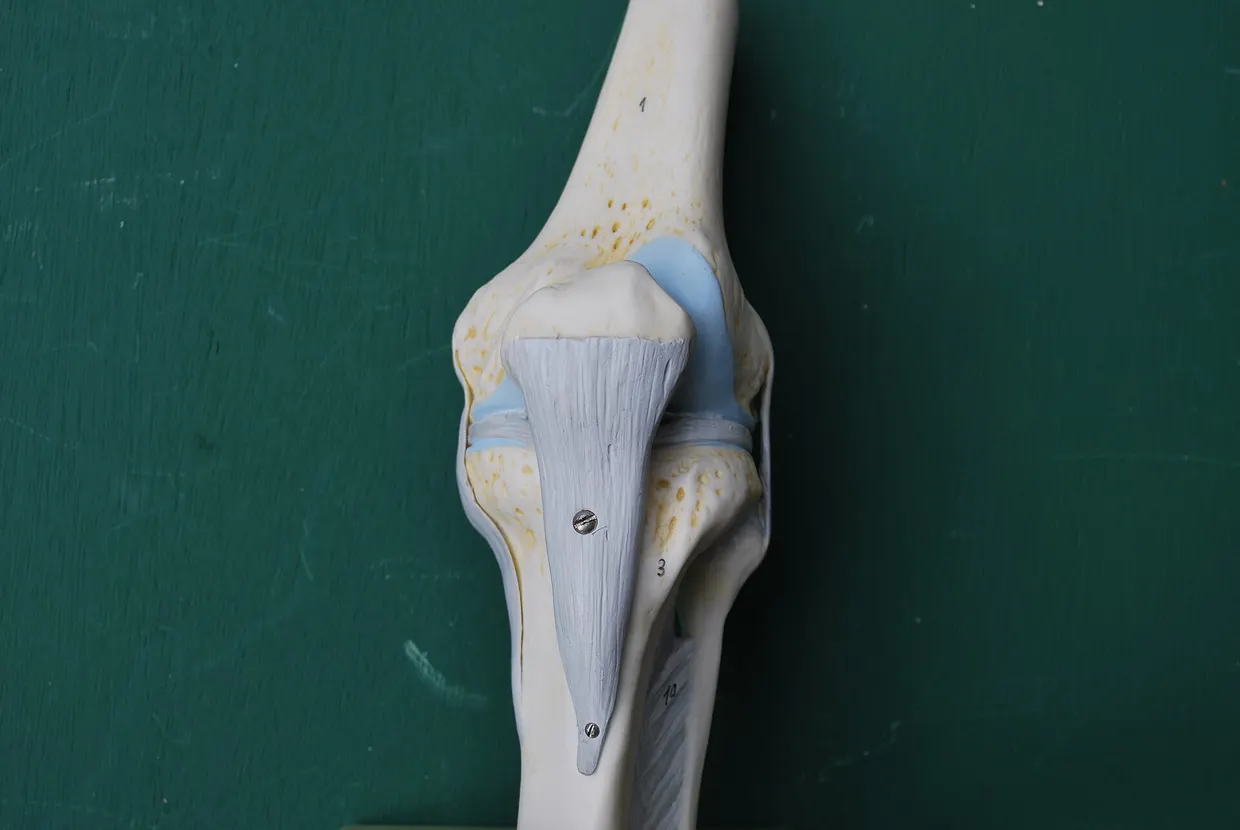
A Stanford Medicine-led team reports that an injection blocking the protein 15-PGDH reversed naturally occurring cartilage loss in the knee joints of old mice, according to med.stanford.edu. The study was published online Nov. 27 in Science. The treatment also prevented arthritis after knee injuries modeled on the ACL tears common in athletes and recreational exercisers. med.stanford.edu
med.stanford.edumed.stanford.eduOpen source ↗
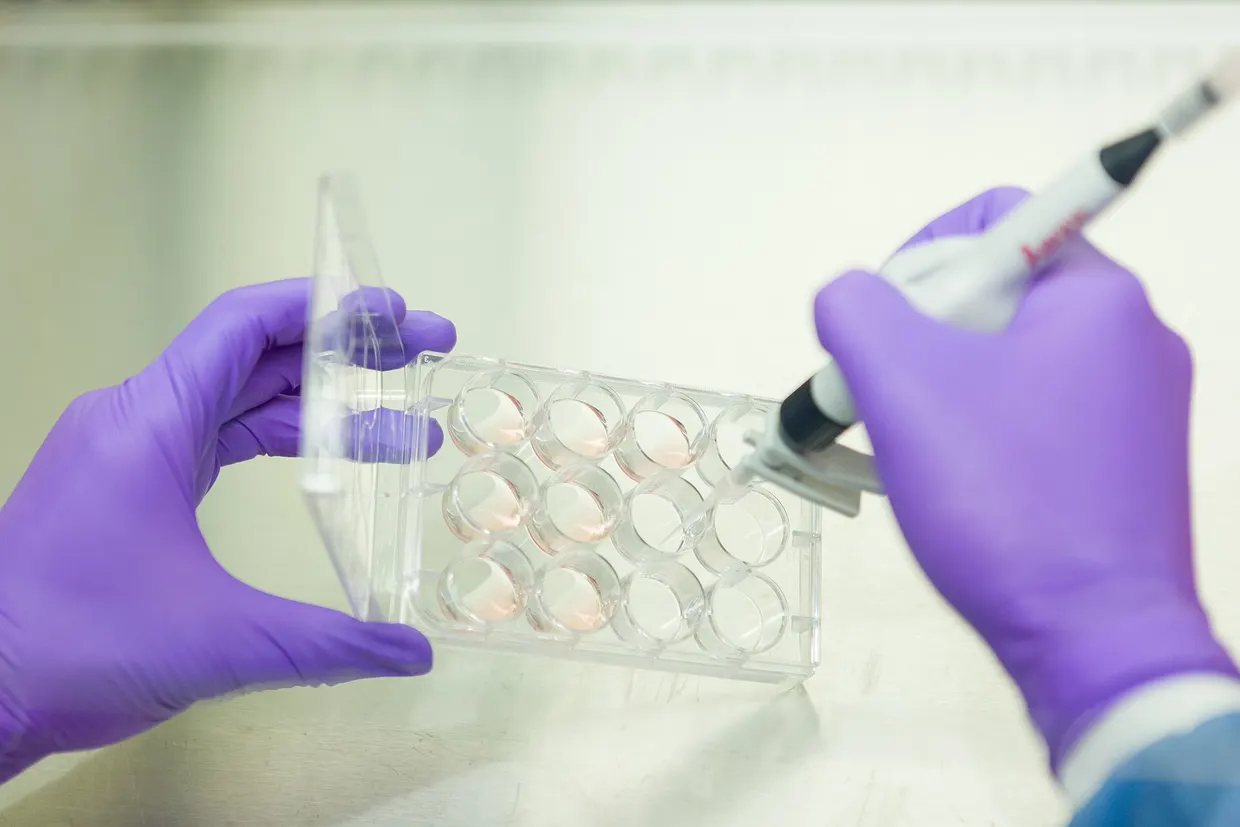
Samples of human tissue from knee replacement surgeries, which contain both the extracellular matrix and cartilage-generating chondrocytes, also responded by making new, functional cartilage. The work was done in mice and tissue samples; efficacy and safety in people were not tested.
The 15-PGDH protein and aging
15-PGDH is called a gerozyme because its levels rise as the body ages. The same researchers identified gerozymes in 2023. In knee cartilage of old mice, the level of 15-PGDH was about two-fold higher than in young mice.
The protein degrades prostaglandin E2, a molecule essential to muscle stem cell function. Blocking 15-PGDH with a small molecule increased muscle mass and endurance in old mice, while expressing it in young mice made their muscles shrink and weaken. An oral version of the treatment is already in clinical trials aimed at age-related muscle weakness. med.stanford.edu
med.stanford.edumed.stanford.eduOpen source ↗
Cartilage regeneration without stem cells
The researchers injected old mice with a small-molecule inhibitor of 15-PGDH, first into the abdomen, which affects the whole body, and then directly into the joint. In both cases the knee cartilage, markedly thinner in old animals than in young ones, thickened across the joint surface. Further experiments showed that the chondrocytes produced hyaline (articular) cartilage rather than less functional fibrocartilage.
In muscle, bone, nerve and blood, regeneration after 15-PGDH inhibition comes from stem cell proliferation and specialization. In cartilage, chondrocytes instead change their gene expression patterns to a more youthful state, with no stem cells involved. "We were looking for stem cells, but they are clearly not involved," said Helen Blau, PhD, one of the senior authors.
Osteoarthritis affects one in five adults in the United States and costs an estimated $65 billion a year in direct health care costs. No drug can slow or reverse the disease; the main treatments are pain control and joint replacement. The authors suggest that an oral drug or local injection might make it possible to regenerate cartilage lost to aging or arthritis. med.stanford.edu
med.stanford.edumed.stanford.eduOpen source ↗